
From Construction Site To Concert: Choosing The Right Class Of Portable Toilet Unit For Your Crowd
King's Services
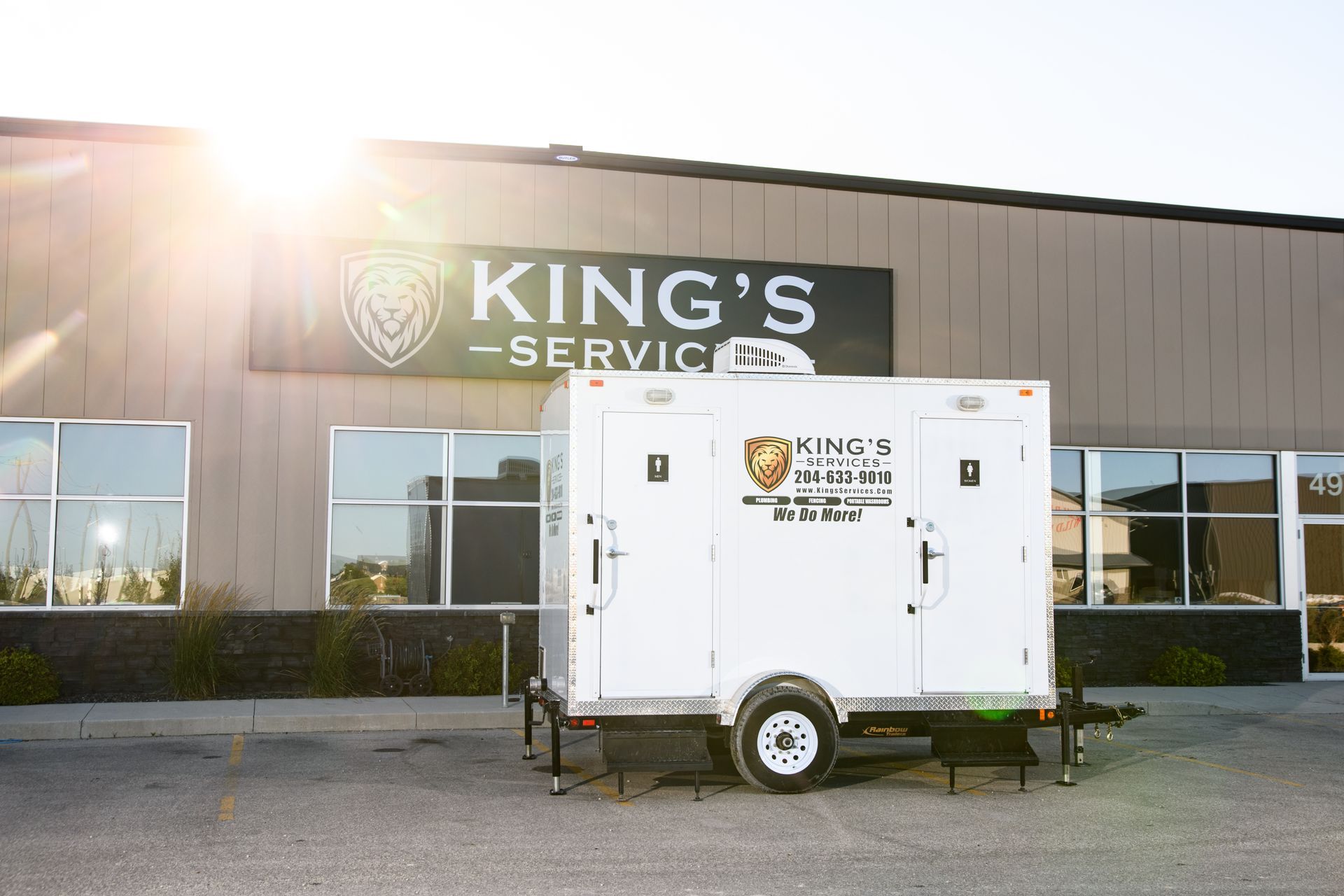
When you’re planning a jobsite, a street festival, or a packed summer concert, restrooms should be at the top of your priority list. Clean, well-placed units keep the day moving and help people feel relaxed. A poor setup creates lines, complaints, and stress fast. That’s why choosing the right portable toilet units matters more than most people expect.
In This Guide
Why The Right Portable Toilet Unit Class Matters
Common Types Of Portable Toilet Units And Where They Fit Best
How To Match Portable Toilet Units To Construction Sites
How To Choose Portable Toilet Units For Concerts, Festivals, And Public Events
Key Factors That Determine The Right Class Of Unit
How Many Portable Toilet Units Do You Need?
Placement, Servicing, And On-Site Maintenance Best Practices
Choose The Right Portable Toilet Rental With King's Services
At King’s Services, we know the leap from rough construction site sanitation to polished concert sanitation planning is huge, but the decision framework is surprisingly similar. The right units support cleanliness, sanitation compliance, and a better guest experience. Choosing the right porta-potty can be tricky, and selecting the appropriate temporary structures for events depends entirely on the event’s core activity and site topography. If you’re comparing options for our portable toilet rentals in Winnipeg, it helps to start with class, not just count.
Why The Right Portable Toilet Unit Class Matters
Not every crowd uses restrooms the same way. Crews on a worksite need durability, dependable servicing, and practical access through long shifts. Concertgoers and festival guests care about cleanliness too, but they also notice comfort, appearance, and wait times.
Choosing the right
portable toilet class affects more than convenience. It shapes traffic flow, cleanliness, event permits, and how your site feels once people arrive.
Crowd size is a starting point, but it isn’t the whole story.
Event duration, alcohol service, food vendors, accessibility, terrain, and
site access all change what works best.
There’s another reason to think about class first: Starting early ensures meeting safety codes and reserving the right infrastructure for event dates. Temporary event infrastructure includes all the foundational systems required to operate a pop-up venue safely, and temporary overlay design refers to the strategic planning and physical installation of all short-term infrastructure layered onto an existing venue or greenfield site. The best sanitation plans are built with fencing, lighting, stages, walkways, stanchions, and markers that organize queues into an orderly serpentine shape rather than an amorphous crowd at the door.
At King’s Services, we help you think beyond dropping off a few
porta-potties. A concert with general admission, Very Important Persons (VIPs), backstage crew, and family areas rarely needs one restroom type for everyone: The smallest vendor booths and merchandise tents must adhere to strict safety and permitting guidelines, and a construction project with a changing crew size and muddy ground shouldn’t be planned like a one-day fair. Workers need rugged, high-capacity units that hold up. Guests at a premium event expect comfort that feels intentional.
At King’s Services, we also know that under-ordering is one of the most expensive ways to save money. Long lines, missed service windows, and frustrated guests cost more than building a smarter unit mix from the start. Temporary structures doing their job support the music, art, and community safely and effectively.
Common Types Of Portable Toilet Units And Where They Fit Best
The main classes of portable toilets each solve a different problem. Picking the right one starts with knowing what each class is built to do.
| Unit Class | Best Fit | Comfort Level | Typical Notes |
|---|---|---|---|
| Standard Portable Toilet | Construction sites, festivals, casual public events | Basic | Durable, budget-friendly, high-capacity |
| Deluxe Portable Toilet | Guest-facing events, longer rentals | Mid | Cleaner feel, upgraded interior, better presentation |
| Flush Unit | Premium events, lower-volume guest areas | Mid to High | More familiar restroom feel, not ideal for every heavy-use setup |
| Sink-Equipped Unit | Food service zones, longer events | Mid | Built-in handwashing adds convenience |
| Americans with Disabilities Act (ADA)-Compliant Portable Restroom | Jobsites and events requiring inclusive access | High Practicality | Extra interior space, easier entry, turning room |
| High-Rise or Crane Unit | Elevated or restricted construction projects | Basic | Built for lifting and hard-to-reach placement |
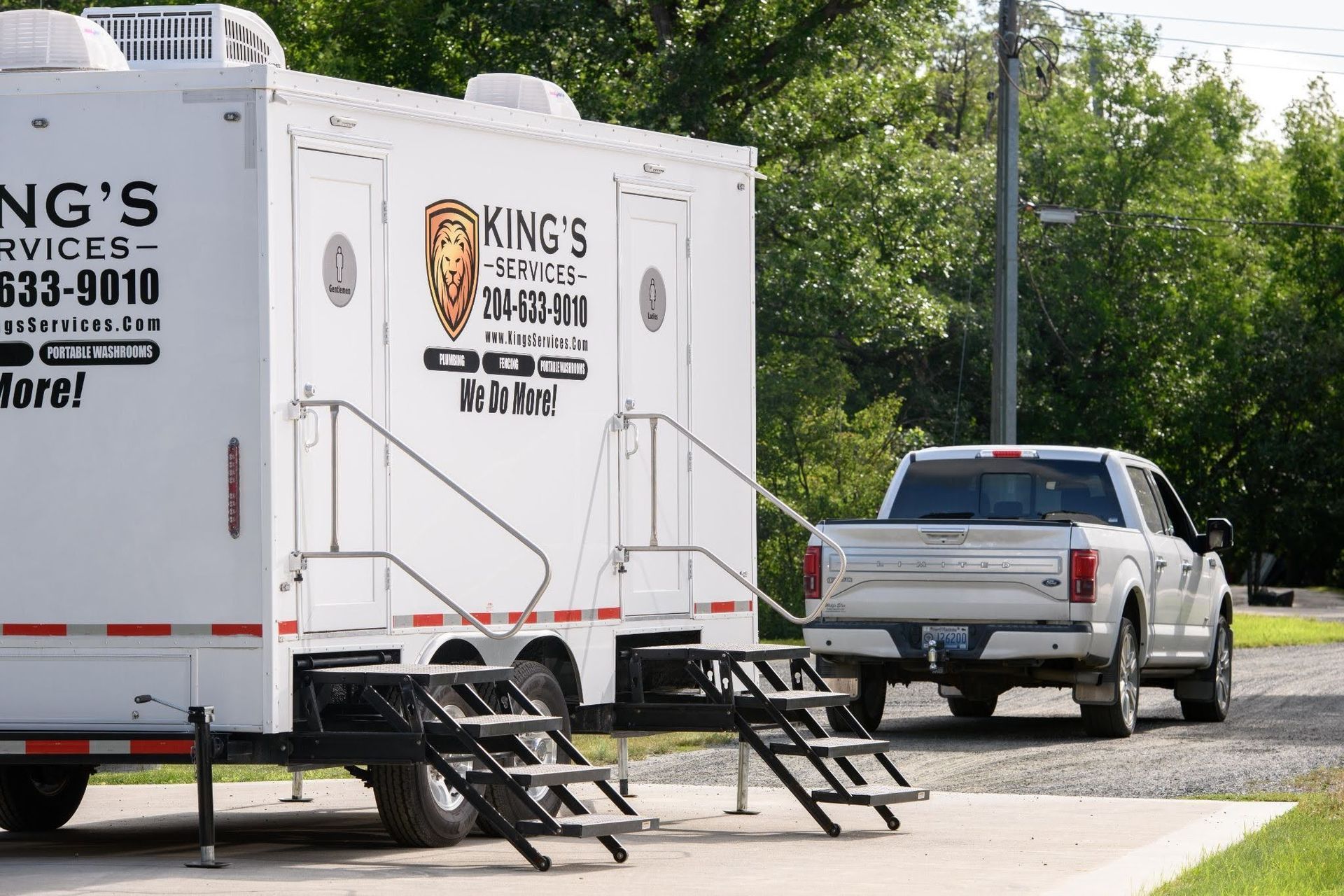
| Restroom Trailer | Weddings, VIP zones, film sites | Premium | Multi-stall, polished finish, more privacy |
| Luxury Restroom Trailer | Upscale events, backstage hospitality | Premium Plus | Strongest comfort and presentation level |
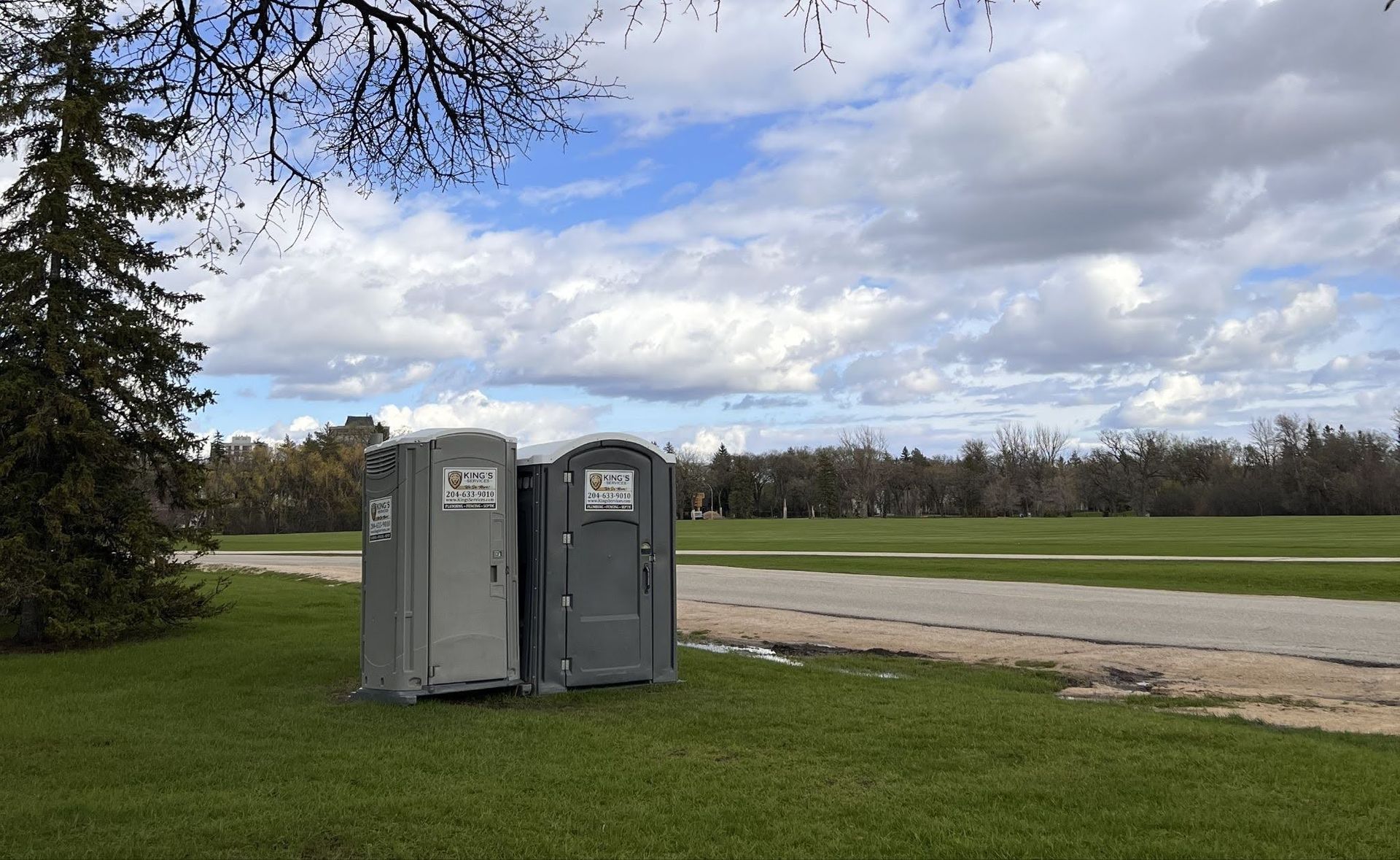
A standard portable toilet is still the workhorse for jobsite portable toilets, public festivals, and other high-volume setups. It handles heavy use well, keeps costs under control, and works beautifully when your biggest priority is dependable capacity.
A deluxe portable toilet gives you a more polished feel without jumping to a trailer. A
flush unit takes that one step further by giving guests a more familiar experience, which can matter at concerts, private events, and premium sections. A
sink-equipped unit adds built-in handwashing, which is especially helpful near food service or at all-day gatherings.
An ADA-compliant portable restroom deserves real planning, not last-minute placement, and matters on both job sites and public events, and accessibility isn’t just about legal boxes - it’s about making sure people can actually reach, enter, turn, and use the space comfortably. At King’s Services, we build accessible portable toilet planning into the conversation from day one.
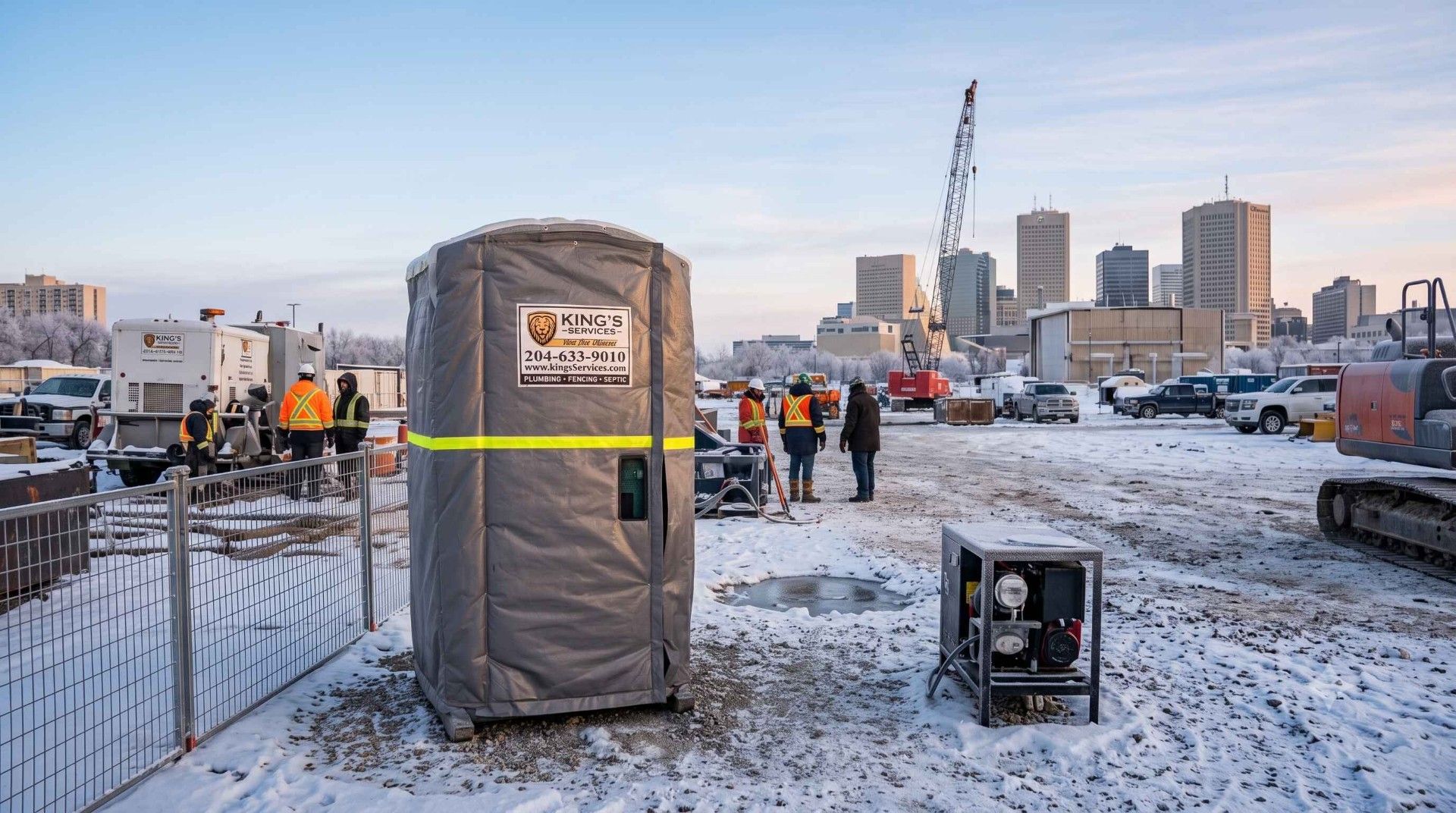
For construction, specialty classes matter too. High-rise and crane-ready units are designed for elevated work. Secure hardwall units can make sense on dense urban sites. Remote sites and winter projects sometimes need a more rugged setup, including a winterized portable restroom when conditions demand it.
Then there are trailers. A restroom trailer or luxury restroom trailer changes the feel entirely, with multiple stalls, better finishes, more privacy, and stronger line control. That’s why a wedding or VIP hospitality area can justify a trailer even when the general crowd uses standard units.
At King’s Services, we help you match class to use case so your restroom setup feels intentional instead of improvised.
How To Match Portable Toilet Units To Construction Sites
Construction planning starts with reliability. Your crew needs clean, accessible restrooms that can handle weather, mud, long shifts, and changing headcounts. The Occupational Safety and Health Administration (OSHA) uses a familiar baseline of roughly one toilet per 10 workers on site.
Rule-of-thumb planning for construction usually looks like this:
- 1 unit per 10 full-time workers
- 1 hand wash station or comparable sink access for every 600 labour hours as a practical guide
- More units when trades overlap, shifts extend, or service access is difficult
At King’s Services, we recommend a mix based on site conditions, not just worker count. A practical setup might include mostly standard units, one ADA-compliant portable restroom, and one or more wash stations. Larger or more active sites usually need a tighter servicing schedule because heavy use outpaces weekly assumptions fast.
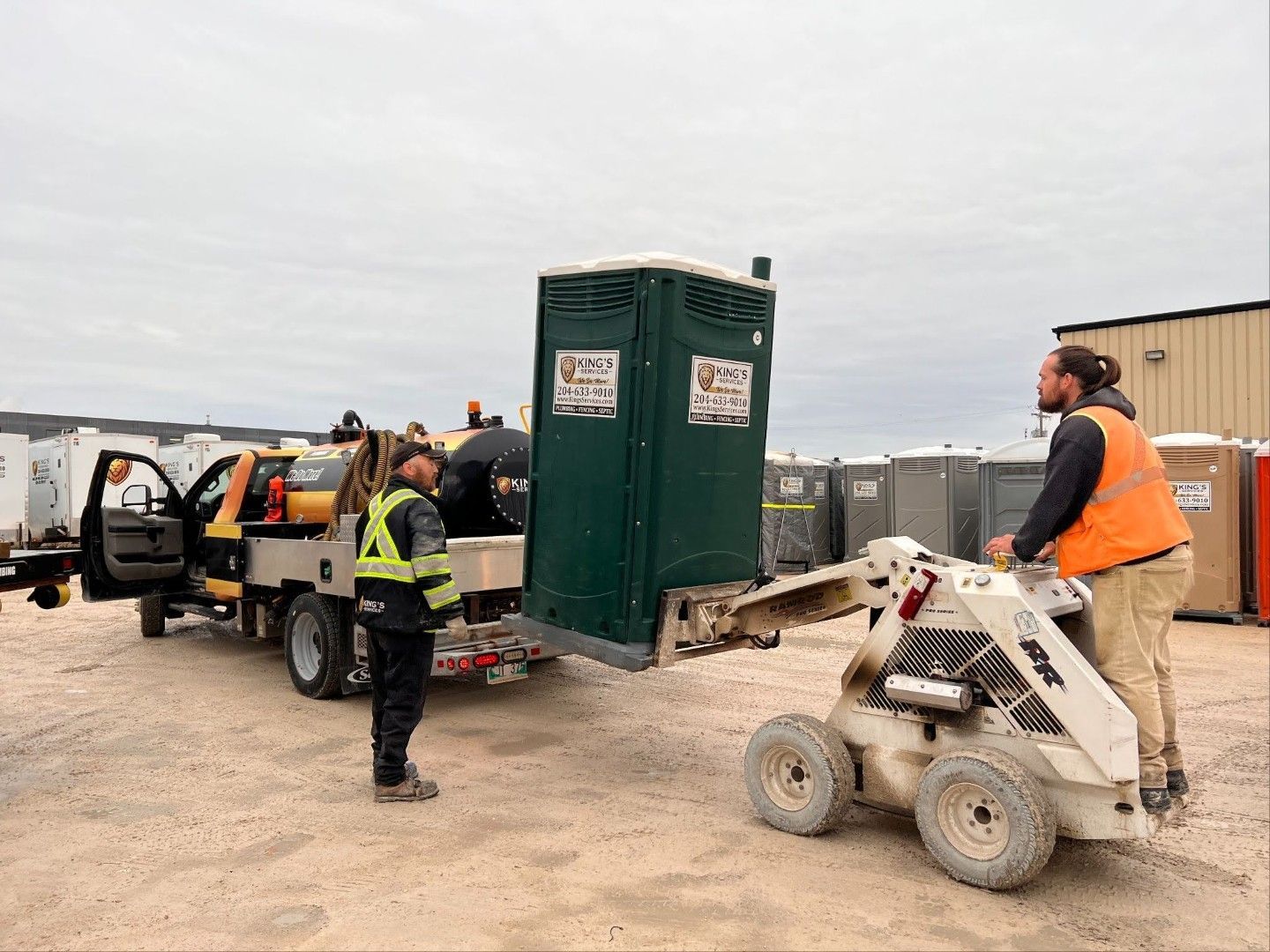
Specialty environments need specialty units. A Full Wall Roller Toilet can work well on remote projects that need easier transport. A hardwall toilet can be a smart fit in dense urban settings where extra security matters. Crane unit toilets are built for elevated or restricted areas where standard delivery won’t do the job.
Placement matters just as much as class. Units need stable ground, truck access for service, and practical
unit placement near work zones without blocking equipment flow. If service trucks can’t reach the units, your plan isn’t really a plan.
Hand hygiene belongs in the same conversation. A hand sanitizer station works for quick touchpoints, but it doesn’t replace a portable sink or hand wash station with running water, soap, and paper towels. On active jobsites, real handwashing is usually the better operational choice.
And while this article focuses on temporary setups, we know some sanitation issues are permanent ones. If a building or home has a plumbing emergency instead of a rental need, our article on
clogged toilet repair services speaks to that, too.
How To Choose Portable Toilet Units For Concerts, Festivals, And Public Events
Public events bring a different kind of pressure. Guests notice restroom quality quickly, especially when they’re dressed up, waiting in line, eating, drinking, or staying all day.
A common starting point is one portable toilet per 50 to 75 guests for shorter events. For up to four hours, one unit per 50 guests is a strong planning baseline. For all-day or multi-day events, planners usually move closer to one unit per 20 to 50 people, depending on service levels, layout, and crowd habits.
Alcohol changes the math. If you’re serving drinks, restroom demand rises, and your restroom ratio should rise with it. Food service pushes handwashing demand up, too. That’s why good festival restroom planning doesn’t stop at a single crowd number.
At King’s Services, we usually guide event clients toward a mixed plan instead of a one-size-fits-all setup. For example:
- Community event: Mostly standard units, plus accessible units and wash stations
- General admission concert: Standard units for the main crowd, accessible units in each bank, and some deluxe or flush units near premium areas
- Multi-day festival with VIP: Standard units for general admission, deluxe units for crew, and a trailer for VIPs and/or backstage
- Wedding or premium corporate event: Deluxe units or a luxury restroom trailer, with accessible access built in
Standard units are still the backbone for street fairs, charity runs, and neighbourhood events. But premium spaces deserve a different approach. VIP restroom rentals work best when they’re separated from the general crowd and supported with the right service cadence. Personalized perks for artists can support fond thoughts of the venue and encourage them to return.
At King’s Services, we also pay close attention to guest count by zone, not just total attendance. A backstage area with crew and talent uses restrooms differently than a wide-open general admission lawn, and that difference should show up in the plan.
Placement matters here, too. Units should be easy to find without taking over food areas or prime sightlines. A clean standard unit in the right place is better than a luxury trailer that’s awkwardly placed and poorly maintained. Colour and signage on modular structures make containers part of the festival aesthetics rather than just random boxes.
Key Factors That Determine The Right Class Of Unit
Choosing the right portable restroom rentals isn’t about chasing the least expensive or nicest option. It’s about matching the unit class to the real demands of the site and the crowd.
At King’s Services, we look at these factors first:
| Factor | What It Changes |
|---|---|
| Crowd Size | Unit count, line management, service frequency |
| Event Duration | More units or more frequent service |
| Event Type | Standard vs. deluxe vs. trailer expectations |
| Alcohol and Food | Higher demand, more handwashing needs |
| Accessibility | Required accessible units and clear routes |
| Site Layout | Placement, privacy, truck access, lighting |
| Water and Power | Affects trailers, flush units, and some premium setups |
| Weather and Ground Conditions | Placement, stability, upkeep |
| Budget | Best solved through unit mix, not under-ordering |
Choice of unit depends on formality, comfort expectations, and duration. A fenced worksite needs durability and capacity. A wedding, private concert area, or polished public event needs appearance and comfort to match the atmosphere.
Accessibility deserves special attention. Include a wheelchair-accessible unit even when you think demand will be low. Many planners use at least one accessible unit as a baseline, then increase from there based on attendance, local rules, and event permits. You should also verify local requirements, because wheelchair access and permit standards can vary by setup. Route width, door clearance, turning room, and surface conditions all matter. An accessible unit across mud or deep gravel isn’t truly accessible.
Hand hygiene matters just as much. Use sanitizer-only setups for short, simple gatherings with light food contact. Choose a standalone hand wash station for jobsites, food-heavy events, and larger public gatherings. Built-in sinks or trailers make more sense when expectations are higher, and guests want a more polished experience.
Weather and delivery logistics shape class selection, too. A level surface is essential. Winter frost, mud, fenced compounds, remote access, and backstage security all affect what can be delivered and maintained well. At King’s Services, we look at those details early so you don’t get surprised on delivery day.
How Many Portable Toilet Units Do You Need?
This is usually the first question, and fair enough. Quantity should be planned from headcount, use pattern, and site conditions, not guessed.
Here’s a practical starting framework:
Construction Sites
- Start with 1 unit per 10 workers
- Add wash capacity based on use, with 1 sink per 600 labour hours as a useful guide
- Increase units when multiple trades overlap, or weekly crew totals rise
- Add service frequency for muddy, remote, or heavy-use sites
Events Up To 4 Hours
- Start with 1 unit per 50 guests
- Include accessible units in the plan
- Add handwashing if food is served
All-Day Events & Festivals
- Increase toward 1 unit per 40 guests for events over 8 hours
- Increase again if alcohol is served
- Add units or separate banks for VIP, crew, backstage, and family areas
- Built-in service during or between event days
Portable toilet counts should move upward again when alcohol is served because usage climbs and lines build faster. Sporting events create peak demand for restrooms during halftime, between quarters, or at game completion, and concerts can create similar surges at intermission, set breaks, or right after the finish. That’s why the baseline is only a starting point.
At King’s Services, we use a simple adjustment framework:
- Start with the baseline
- Increase for events longer than 4 hours
- Increase for alcohol
- Increase for food-heavy attendance
- Separate public, crew, and premium areas
- Check service access before finalizing counts
Truck access matters here, too. If service vehicles can’t reach the units easily, it can be smarter to place more units up front than rely on a difficult mid-event cleaning. Waste tank capacity is part of that same conversation because heavy traffic fills units faster than many planners expect.
One of the biggest mistakes we see is under-ordering because the planner only looks at the budget. A better move is adjusting the mix. More standard units for the main crowd, paired with selective deluxe, flush, or trailer options, usually protect both budget and experience.
Placement, Servicing, And On-Site Maintenance Best Practices
The right unit in the wrong place still creates problems. Portable toilets need level ground and a clear path for delivery and maintenance. Soft or muddy areas can become unusable fast unless gravel or pads are in place first.
For jobsites and events alike, smart placement means:
- Don’t cluster every unit at one entrance
- Keep units convenient, but not right beside food service
- Leave room for service trucks
- Add lighting for evening or overnight use
- Use clear signage
- Create privacy without creating hidden corners
At King’s Services, we plan service as part of the rental, not as an afterthought. Multi-day festivals and long construction projects need a schedule for pumping, restocking, and cleaning. Standard units on jobsites are commonly serviced weekly, but active sites and high-traffic events can need much more frequent attention.
Here’s a practical service cadence guide:
| Scenario | Recommended Service Mindset |
|---|---|
| Small One-Day Event | Pre-event clean, post-event pickup |
| All-Day Concert | Pre-event clean, monitor traffic, and service during the event if needed |
| Multi-Day Festival | Daily restock and cleaning, pumping as needed |
| Small Construction Site | Weekly service minimum |
| Large Active Jobsite | More frequent service based on use and conditions |
Handwashing support needs the same attention as the toilets themselves. Soap, towels, water refill, and waste collection all need checks during the rental period.
Premium units also need a little more planning. Deluxe units, flush units, and trailers can have added setup needs, including space, stable access, and sometimes water or power. Stage weight limits must consider the combined weight of lights, speakers, and people, as well.
Good maintenance protects experience, but it also protects flow and safety. Clean, lit, easy-to-find restroom zones reduce wandering, frustration, and crowd bunching.
Choose The Right Portable Toilet Rental With King’s Services
From a rugged worksite to a polished festival, the best restroom plan starts with the same question: Who will use it and what will they expect when they get there? Standard units do the heavy lifting for jobsites, outdoor work areas, and large public gatherings because they handle volume without fuss. Longer events and premium sections usually benefit from deluxe, flush, or trailer options in the mix.
At King’s Services, we help you balance
crowd size, duration, accessibility, comfort,
site access, and maintenance in one clear plan. We also compare professional planning to the generic alternative. Bare-minimum ratios can’t account for traffic surges, mixed crowd zones, truck access, service timing, or accessible routing. That’s where a professional setup becomes the better solution.
At King’s Services, we make that process simple with our 3-step crowd-fit planning approach:
Step 1: Assess The Crowd
We start with worker count or guest count, then look at alcohol service, food, event formality, and how people will move through the site.
Step 2: Build The Right Unit Mix
We match standard units, accessible units, wash stations, deluxe or flush units, and trailers to the zones that actually need them.
Step 3: Plan Placement & Service
We map delivery, servicing access, lighting, and cleaning cadence so your setup keeps working from the first hour to the last.
We also know mixed-use planning beats all-or-nothing thinking. Construction sites usually do best with mostly standard units, one accessible unit, and a wash station. Concerts often need standard units for general admission, better units near premium sections, and accessible coverage in each bank. VIP or backstage areas are where trailers can really earn their place.
At King’s Services, we’re here to help you sort through class, count, placement, and service so the restroom plan supports the day instead of stealing attention from it. If you’re mapping out your next site or event, contact us at
King's Services for a cleaner, smoother experience for everyone who shows up.
Portable Toilet Unit FAQs
What is the difference between a standard portable toilet and a deluxe unit?
A standard unit is built for dependable, high-volume use and is a great fit for jobsites, fairs, and general crowd areas. A deluxe unit feels more polished and guest-friendly, which makes it a better fit for events where appearance and comfort matter more.
How many portable toilets do I need for a construction site or event?
A solid starting point is 1 unit per 10 workers on a construction site or 1 unit per 50 guests for an event up to four hours. Then increase for longer duration, alcohol service, food-heavy attendance, and separate areas like VIP, crew, or backstage.
Do I need ADA-compliant portable toilet units?
Yes, accessible planning should always be part of the conversation. An ADA-compliant portable restroom supports inclusive access and is commonly required by permit or code, depending on the event or site. Local requirements should always be confirmed before finalizing your layout.
How often should portable toilet units be serviced?
Construction units are commonly serviced weekly, but busy jobsites often need more. Events can need service after every 50 to 75 uses, and multi-day festivals should always have a scheduled cleaning, restocking, and pumping plan.
Can portable toilet units be placed on uneven or restricted-access sites?
Sometimes, yes, but safe placement still depends on stable ground and workable access. Standard units need level support, while crane units and other specialty options are designed for elevated or hard-to-reach locations.
Are handwashing stations necessary with portable toilet rentals?
In many cases, yes. A hand sanitizer station works for short and simple setups, but a hand wash station or built-in sink is the stronger choice for jobsites, food service areas, and larger public events where hygiene expectations are higher.