

The Evolution Of Odour Control: Why Today’s Porta-Potties Don’t Smell Like Yesterday’s
King's Services
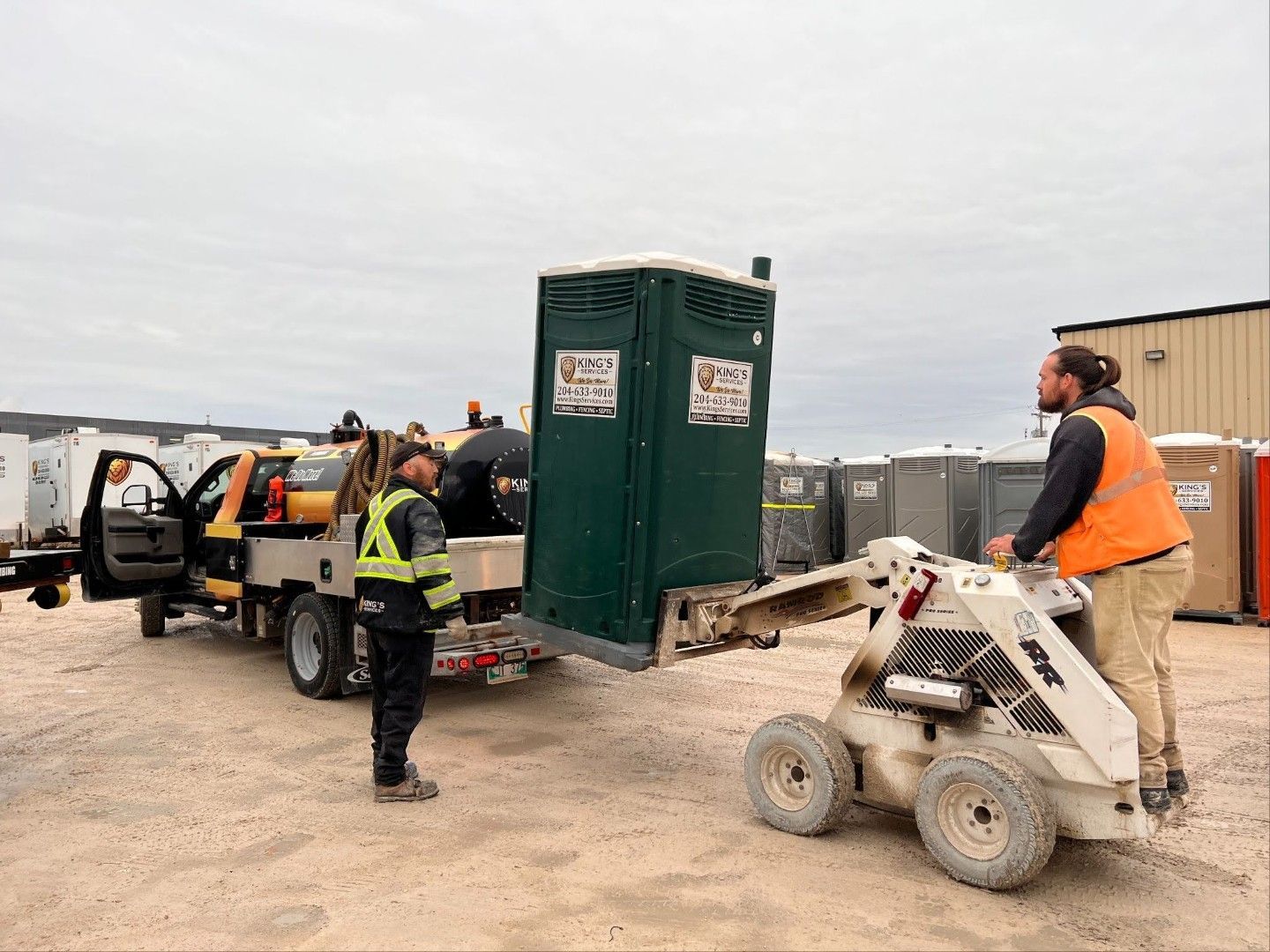
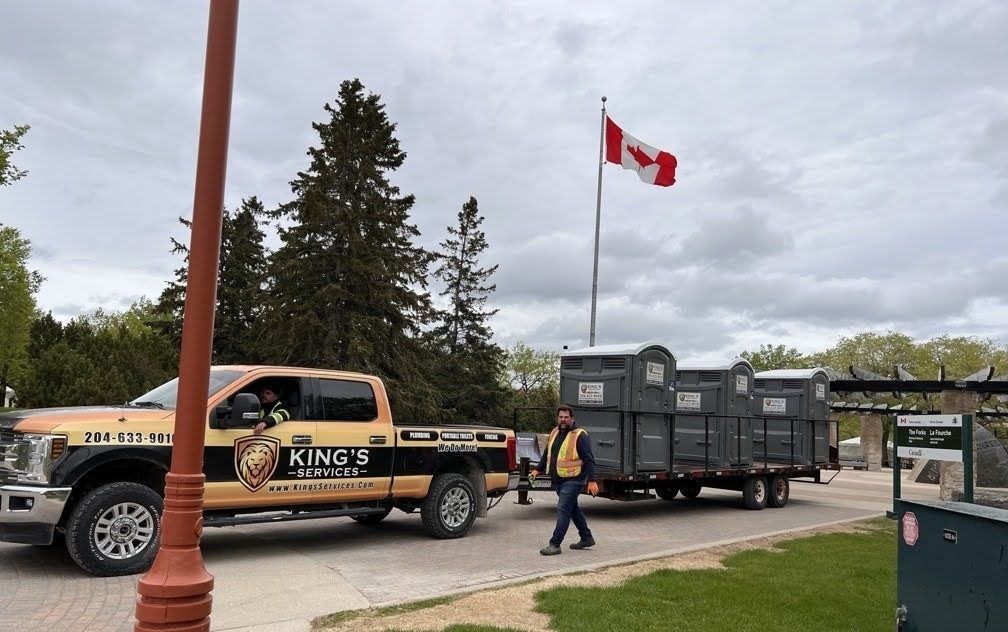
If you still picture a portable restroom as hot, stuffy, and impossible to ignore, you’re not alone. A lot of people remember the old version, the one that felt like a last resort. But modern porta-potties are different. At King’s Services, we’ve seen how better design, smarter chemistry, and reliable service can turn a unit people dread into one they simply use and move on from.
In This Guide
Why Portable Toilets Used To Have A Bad Reputation For Odour
How Modern Porta-Potties Control Odour More Effectively
The Role Of Cleaning, Pumping, And Service Schedules In Keeping Porta-Potties Fresh
What Affects Porta-Potty Odour At Events, Construction Sites, And Outdoor Locations
Choosing A Portable Toilet Provider That Prioritizes Cleanliness And Odour Control
Get Clean, Fresh Portable Restrooms From King’s Services
Frequently Asked Questions About Porta-Potty Odour Control
Today’s portable toilets smell less because they’re engineered better. Tank treatments are stronger and safer, airflow is smarter, materials don’t trap odour the way old units did, and service schedules are built around actual use. If you’re comparing portable toilet rentals in Winnipeg, those details matter.
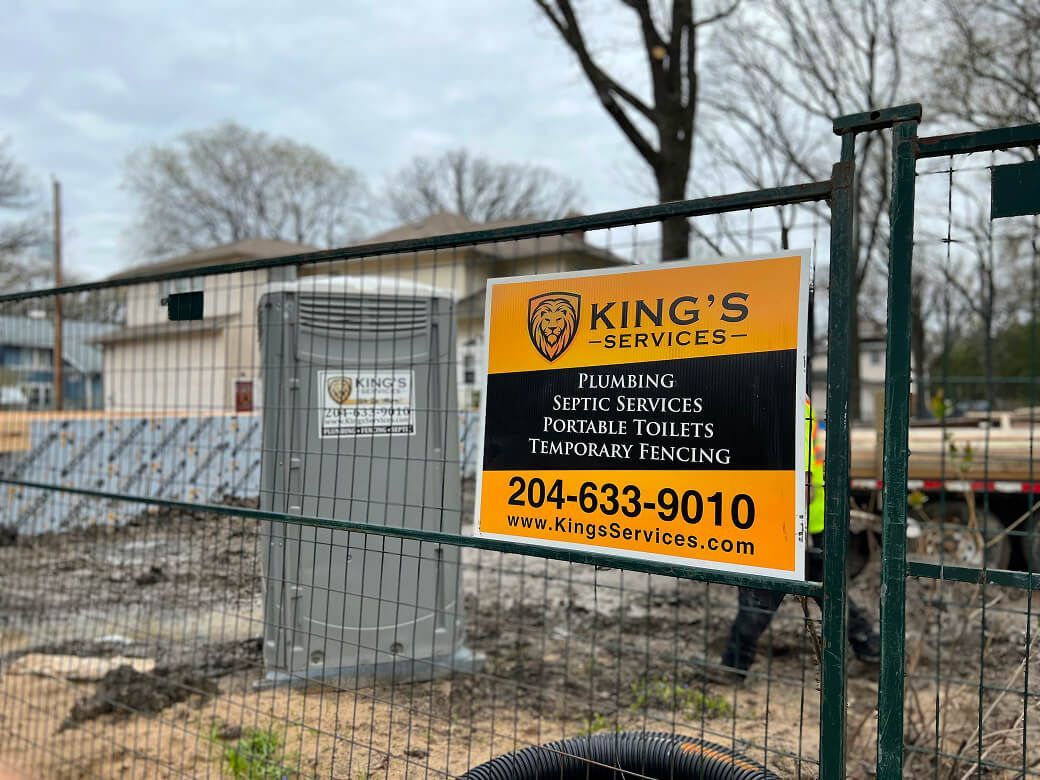
Why Portable Toilets Used To Have A Bad Reputation For Odour
Older porta-potties earned their reputation honestly. Early portable restrooms were basic structures made of wood and metal – heavy, hard to maintain, and far less effective at containing odour. Original metal stalls used in World War II shipyards solved an urgent need, but they don’t compare to today’s units. By the 1950s and early 1960s, complaints and regulatory pressure pushed the industry toward better odour control, laying the foundation for the modern chemical toilet.
Back then, the chemistry just wasn’t there. Early units lacked the sanitation chemicals used today to control odour, and older formulas relied on harsher approaches. Formaldehyde was once the standard deodorizer, but the industry phased it out as safer, greener solutions improved. Today’s formulas use additives like Metazene and are safer, biodegradable, and better for the environment.
Older units also smelled worse because the odour got into the unit itself. Wood, older metals, and rough interior surfaces held on to waste residue and odour. Uric acid deposits and other organic buildup soaked into porous walls, and untreated secondary odour deposits made the problem worse. The entire unit needs to be wiped down and disinfected to stay clean for future use.
At King’s Services, we know odour control isn’t just about dropping chemicals into a tank. Better products, regular cleaning, and smart placement all matter. Porta-potties near exits often get used more heavily, so planning matters as much as chemistry. That’s why old memories don’t tell you much about what a modern unit is like today.
How Modern Porta-Potties Control Odour More Effectively
The science behind porta-potty odour control is much better now, and it starts with understanding what creates the smell. Waste gives off compounds as it breaks down, especially in low-oxygen, anaerobic conditions. That includes ammonia, volatile sulphur compounds, and uric acid byproducts. You can read about ammonia odour and exposure and hydrogen sulphide health effects, which help explain why stagnant waste smells so sharp and unpleasant.
Modern units tackle that problem from several angles at once. Blue liquid helps cover the appearance and odour of waste, but it’s not just dye. Here’s what’s typically inside a tank charge:
| Component | What It Does |
|---|---|
| Blue dye | Hides waste visually, signals tank freshness |
| Fragrance | Provides a pleasant first impression |
| Surfactant | Helps chemicals spread evenly through the tank |
| Biocide | Kills odour-producing bacteria and microbes |
| Odour neutralizer | Changes malodour at the molecular level, doesn’t just mask it |
| Enzyme/microbial additive | Breaks down organic waste and reduces odour at the source |
| Anti-foam agent | Prevents excessive foaming during pumping |
Biocides kill odour-producing bacteria directly. Enzymes and microbial digesters work differently, breaking down organic waste and reducing odour at the source. Masking agents only cover smell; advanced neutralizers change it at the molecular level.
At King’s Services, we rely on modern treatment programs because formaldehyde is outdated and widely regarded as a potential carcinogen. The Environmental Protection Agency (EPA) and the Occupational Safety and Health Administration (OSHA) both flag formaldehyde exposure as a workplace concern, which drove the shift to non-formaldehyde biocides. That transition moved through quaternary ammonium compounds and glutaraldehyde before arriving at today’s enzyme-assisted and bacteria-based treatments.
Specialized ventilation pipes pull air from the waste tank and vent it out the top through a vertical vent stack, creating passive airflow that removes odour before you notice it. Better tank geometry, tighter seals, splash reduction, and walls made from High-Density Polyethylene (HDPE) all help stop odour from escaping or soaking in. HDPE and other modern non-porous plastics are easier to pressure wash and resist odour absorption far better than older wood or metal. A 250-gallon tank should be sufficient to cover the demands of a 10-man working team throughout a 40-hour workday. That’s why today’s units are engineered sanitation systems, not just boxes with chemicals inside.
The Role Of Cleaning, Pumping, And Service Schedules In Keeping Porta-Potties Fresh
Even the best chemistry fails if a unit is overused. Cleaning a porta-potty doesn’t just mean dumping the tank and adding fresh solution. The unit needs pumping, interior washdown, disinfection of high-touch areas, restocking, and a check that the treatment is still active. The dye in the liquid gives a visual cue, and when that colour fades or changes, it’s time for service.
As a practical rule, one standard unit handles roughly 10 full-time users per day before odour becomes noticeable between service visits. Push past that, and you’ll want either more units or more frequent pumping. At King’s Services, we match service frequency to real-world volume. A quiet worksite unit and a festival unit don’t need the same plan.
Professional cleaning also reaches the places people miss. Door handles, walls, floors, ceilings, paper holders, and hand sanitizer areas all need attention. Wiping down a unit yourself isn’t the same as a deep professional cleaning, especially when odour has settled into residue on surfaces.
Here’s the simple framework we use:
| Setting | Typical Odour Risk | Best Service Approach |
|---|---|---|
| Small construction crew | Moderate | Routine pumping and weekly cleaning |
| One-day private event | Moderate to high | Freshly serviced units before start, checks during event if traffic is heavy |
| Multi-day festival | High | Daily cleaning, pumping, restocking, and backup units |
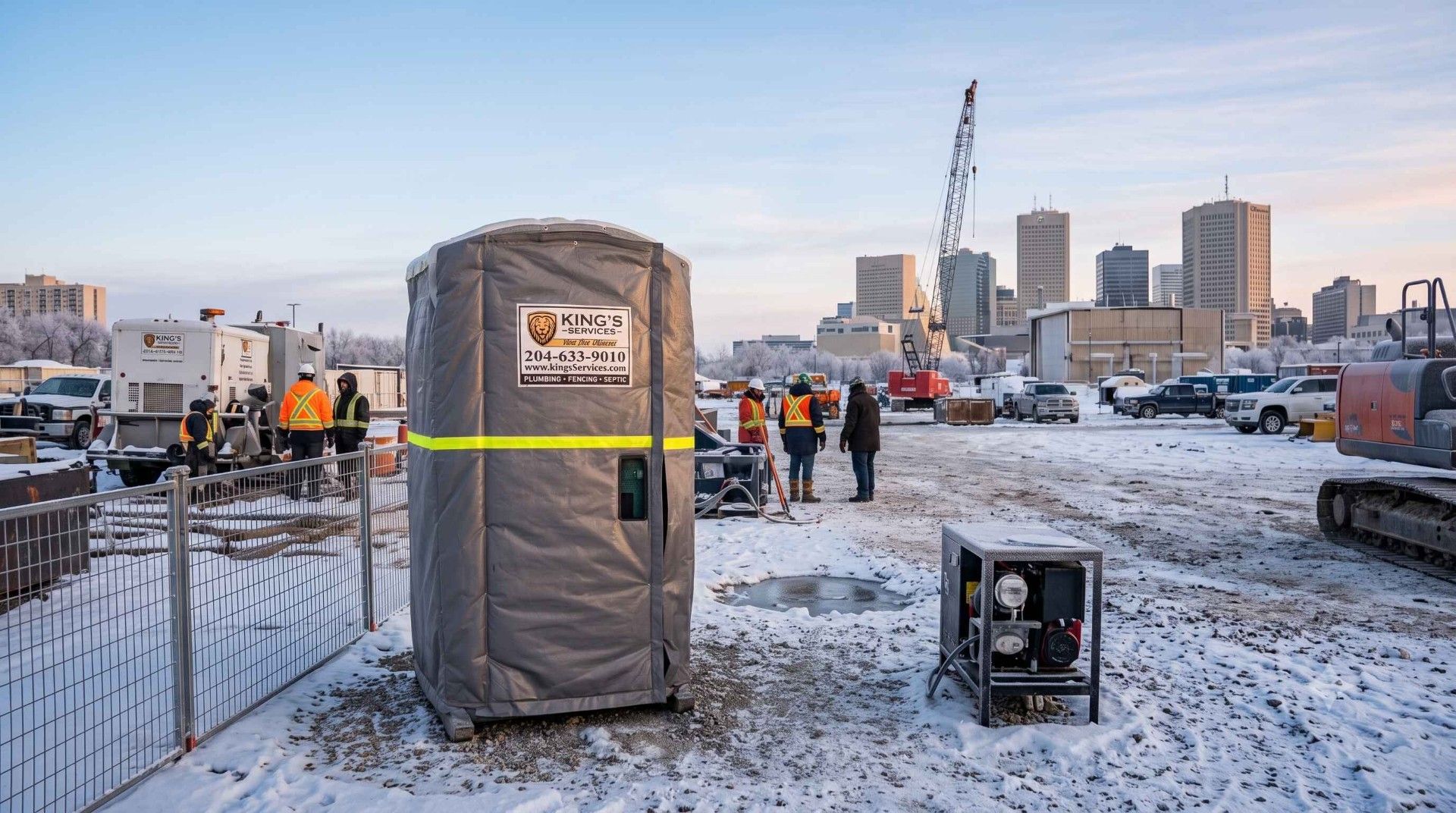
| Hot-weather jobsite | High | Increased service frequency and shade-aware placement |
That same thinking matters across wastewater systems, too. If you’re thinking more broadly about affordable septic maintenance options, the lesson is the same: Regular service prevents bigger problems. The same is true with
healthy septic system maintenance tips, because waste systems work best when buildup never gets the chance to take over.
What Affects Porta-Potty Odour At Events, Construction Sites, And Outdoor Locations
Odour control doesn’t happen in a vacuum. Heat, direct sun, humidity, wind, user volume, and placement all change how a unit performs. A porta-potty at a fair with thousands of people needs much more attention than one at a lightly used location. Hot weather speeds up waste breakdown and makes odour compounds release faster, and direct sun heats the tank and interior, making smells more noticeable the second someone opens the door.
Placement matters more than most renters expect. Porta-potties near food trucks or a food court get used more often. Units near exits can also get steady traffic because they’re convenient. At King’s Services, we help clients avoid overload by placing units where they’re accessible without concentrating all the use in one spot. Vent stack orientation matters too: Positioning vents to catch natural wind currents improves passive airflow and pulls odour up and away before it reaches users. On jobsites, units should be close to break areas and easy to reach, but not crammed into wind-trapped corners.
Ventilation plays a huge role here. Roof vents and vertical vent stacks work best when airflow can move naturally. Opening and airing units during service helps release lingering smells. Shade also helps. So does providing enough units for the crowd.
Professional Units Vs. Generic Expectations
A lot of people compare modern rentals to an old memory instead of comparing actual unit types.
| Unit Type | Odour Control Performance | Guest Experience |
|---|---|---|
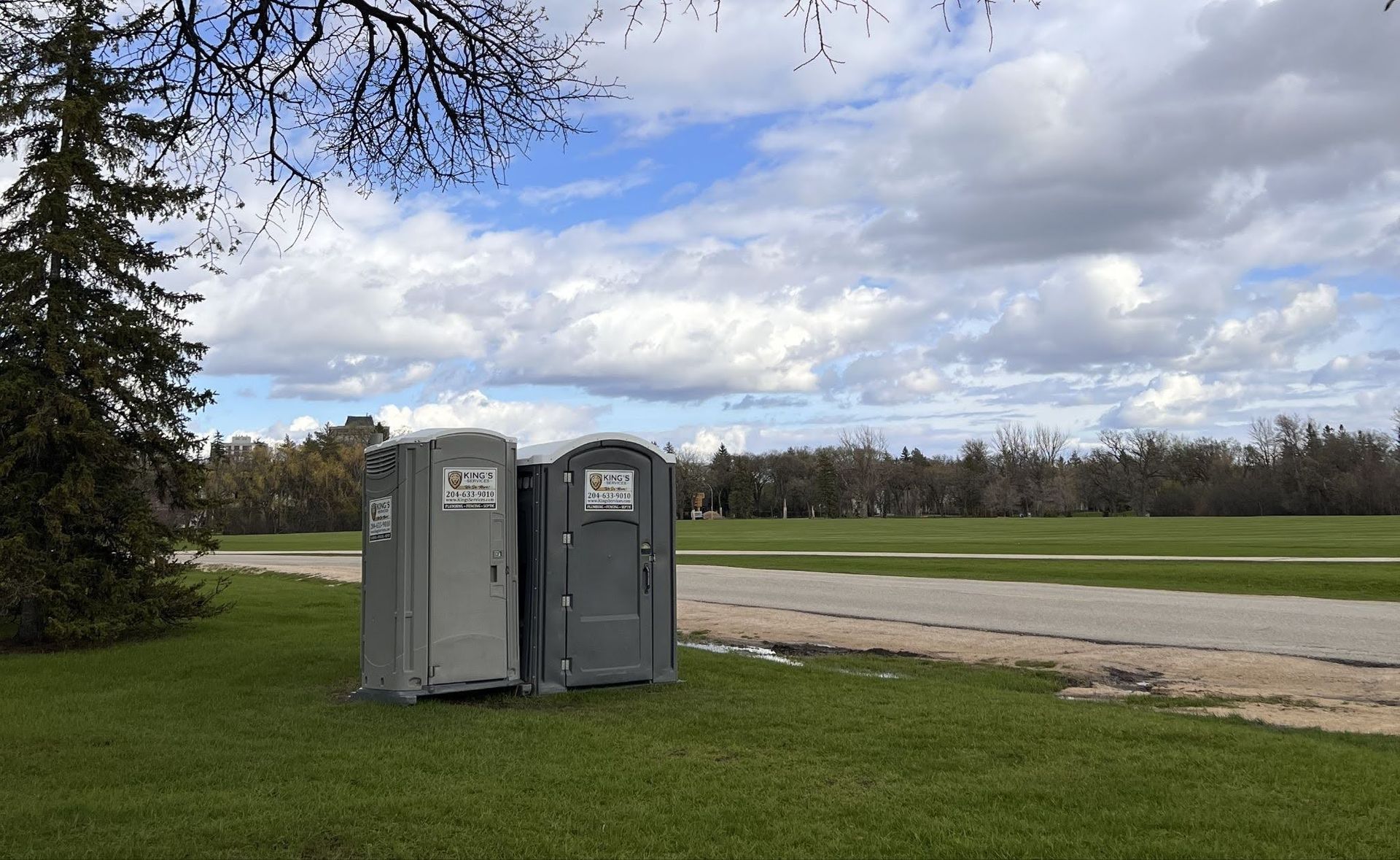
| Standard non-flushing unit | Good with proper service | Practical, jobsite-friendly |
| Flushing portable toilet | Better tank separation and water barrier | More private, more comfortable |
| Sink-equipped unit | Better hygiene, cleaner feel | Stronger confidence for guests |
| Accessible unit | More space and airflow | Easier use, less cramped feel |
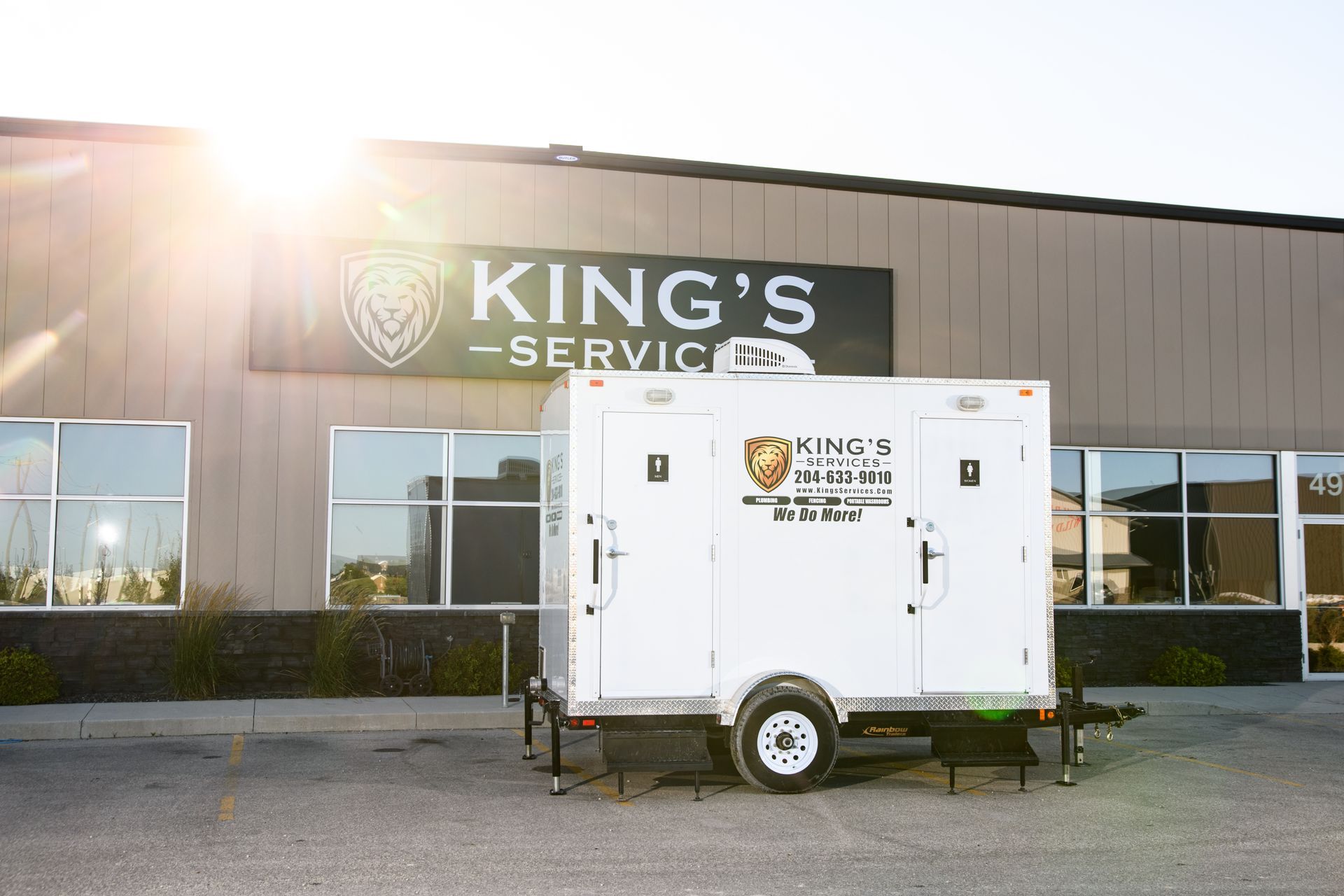
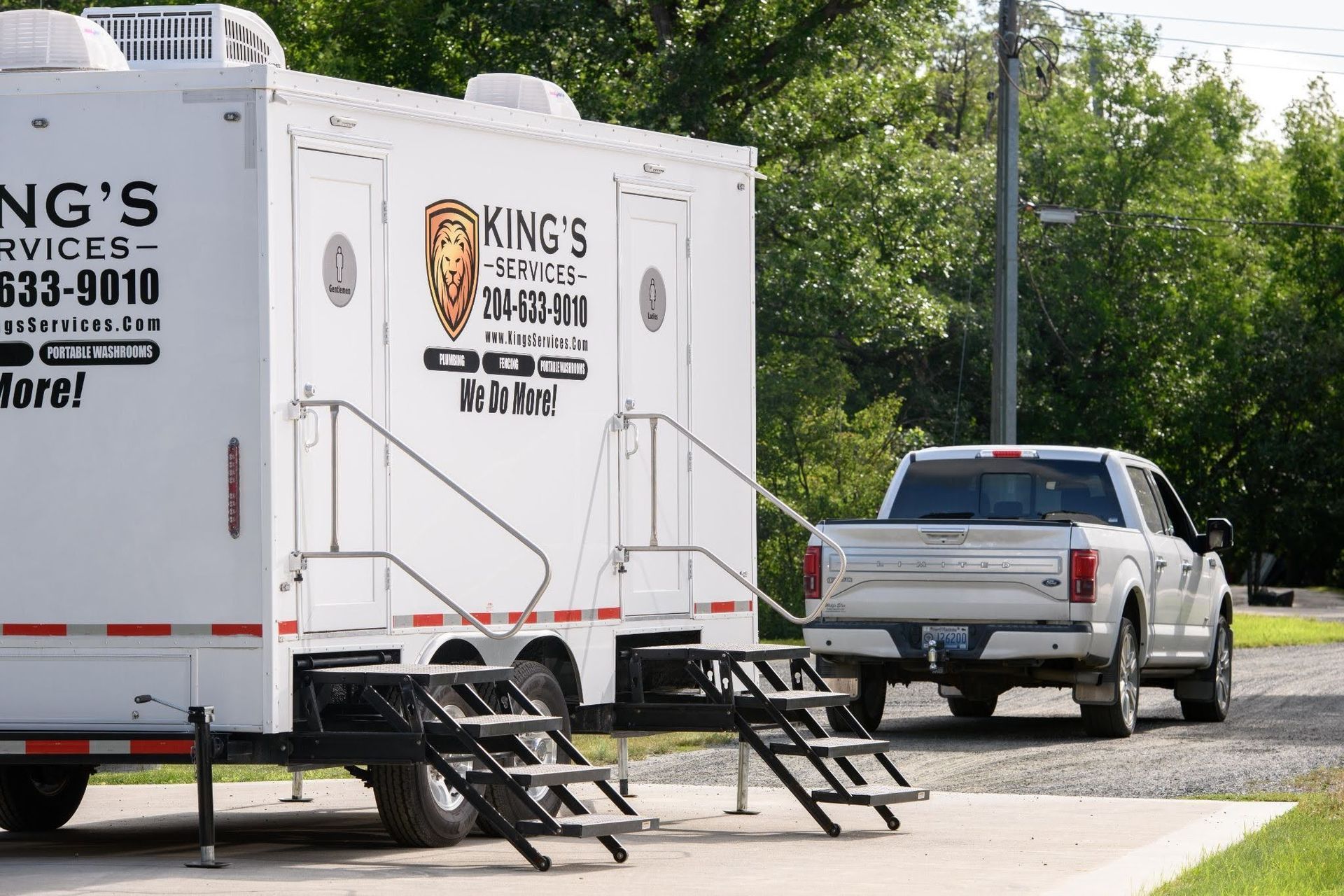
| Restroom trailer | Best overall control | Bright, roomy, event-ready |
Flushing units create a water seal between you and the tank, which blocks odour from rising. Restroom trailers go further with enclosed plumbing, climate control, and brighter interiors, making the experience feel closer to an indoor restroom. That same maintenance mindset shows up in other waste systems. Restaurants benefit from
grease trap cleaning best practices because buildup and odour always get worse when service falls behind.
Choosing A Portable Toilet Provider That Prioritizes Cleanliness And Odour Control
Not every rental company treats odour control the same way. Some focus on just dropping units off. A better provider builds a service plan around cleanliness, communication, and user comfort.
King’s Services provides
portable toilet rentals in Winnipeg, and we believe the difference-maker is professional service, not perfume. Air fresheners can help with first impressions, but true odour control comes from source removal, the right tank treatment, good venting, and dependable maintenance. Older units made of porous materials absorbed odours over time. Newer HDPE units are easier to disinfect fully, including floors, walls, and ceilings.
If odour is your top concern, ask these questions before you rent:
- How often will the units be pumped and cleaned?
- What chemical program do you use, and is it non-formaldehyde?
- What’s your hot-weather service plan?
- How do you handle high-traffic events versus construction sites?
- Do you offer handwashing stations or sanitizer stands?
- How fast can you respond if a unit needs unscheduled service?
- Are the units event-grade, flushing, or trailer-style options?
At King’s Services, we understand that perceived cleanliness matters too. Bright interiors, stocked paper, sanitizer, roomier layouts, and clean touchpoints make people feel more comfortable right away. That confidence matters at weddings, community events, and busy jobsites alike.
And when sanitation problems show up elsewhere, quick action matters there too. For homeowners dealing with backups, having practical
clogged toilet repair options can keep a small issue from turning into a messy one.
Get Clean, Fresh Portable Restrooms From King’s Services
Portable restrooms have come a long way from the bulky, smelly units people remember. The porta-potty was invented in the 1940s during World War II after American shipyards needed workers closer to the jobsite instead of walking back to shore for bathroom breaks. Since then, better materials, better venting, better blue liquid formulas, and better service standards have changed the experience completely.
At King’s Services, we focus on the parts that actually keep units fresh: Reliable pumping, proper dosing, high-touch disinfection, strong ventilation, and unit recommendations based on your crowd or crew. We know a portable restroom’s smell can be caused by a lack of regular cleaning, not just the unit itself. That’s why we pay close attention to handles, sanitizer dispensers, toilet paper holders, and the other surfaces people touch most.
We also help you choose the right setup. A construction site needs accessible placement and dependable service. An event near food service needs extra planning because those units get used hard and fast. A guest-sensitive gathering is better served by flushing units or upgraded restroom options. At King’s Services, we tailor those details so your guests, workers, or attendees get a cleaner, calmer experience.
If you’re planning an event or managing a worksite, we’d love to help you make portable sanitation feel simple, fresh, and well cared for. You can see more about
King’s Services and picture what that kind of dependable setup looks like for your site.
Frequently Asked Questions About Porta-Potty Odour Control
Why do some porta-potties smell worse than others?
Usually, it comes down to heat, traffic, placement, and service frequency. A modern unit can still smell bad if it’s overloaded, sitting in direct sun, or not pumped and cleaned often enough.
What is the blue liquid in a porta-potty, & how does it help with odour?
Blue liquid is usually a mix of water, blue dye, fragrance, surfactants, and either biocides or enzyme-based treatments. The dye hides waste visually, while the active ingredients help control the bacteria and compounds that create odour.
How often should a porta-potty be cleaned or pumped?
That depends on how many people are using it and for how long. A standard unit serving around 10 full-time users typically needs weekly service, while high-traffic events or hot-weather sites usually need daily or twice-daily attention.
Does hot weather make portable toilets smell stronger?
Yes, it does. Heat speeds up waste breakdown and makes odour compounds release faster, which is why summer events usually need more frequent servicing and smarter placement in shade where possible.
Can handwashing stations & sanitizer help improve restroom cleanliness?
Absolutely. Hand sanitizer dispensers and handwashing stations reduce the transfer of odour-causing bacteria to door handles and other touchpoints, and they make the whole restroom area feel cleaner and more comfortable to use.
Are modern porta-potty odour control treatments safe & eco-conscious?
Modern treatments are much safer than older formaldehyde-based products. Most current eco-friendly sanitation options use non-formaldehyde chemistry, and some combine enzyme or microbial formulas that perform well while being gentler on wastewater systems. Eco-friendly doesn’t mean weaker: In moderate conditions, bacteria-based and enzyme treatments control odour effectively, though high-traffic or extreme-heat situations sometimes call for stronger biocide programs alongside them.