
How Many Porta-Potties Do I Need For My Event? A Rental Calculator
King's Services
Planning an event should feel exciting, not stressful. If it’s being held outdoors, one of the practical concerns that arises is how many porta-potties you’ll need. Getting the porta-potty count right will help the day run smoothly and avoid long lines.
Use Our Complimentary Portable Toilet and Handwash Rental Calculator
Get an instant estimate for your event. Powered by Kings Services.
Porta-Potty Recommendations By Event Type
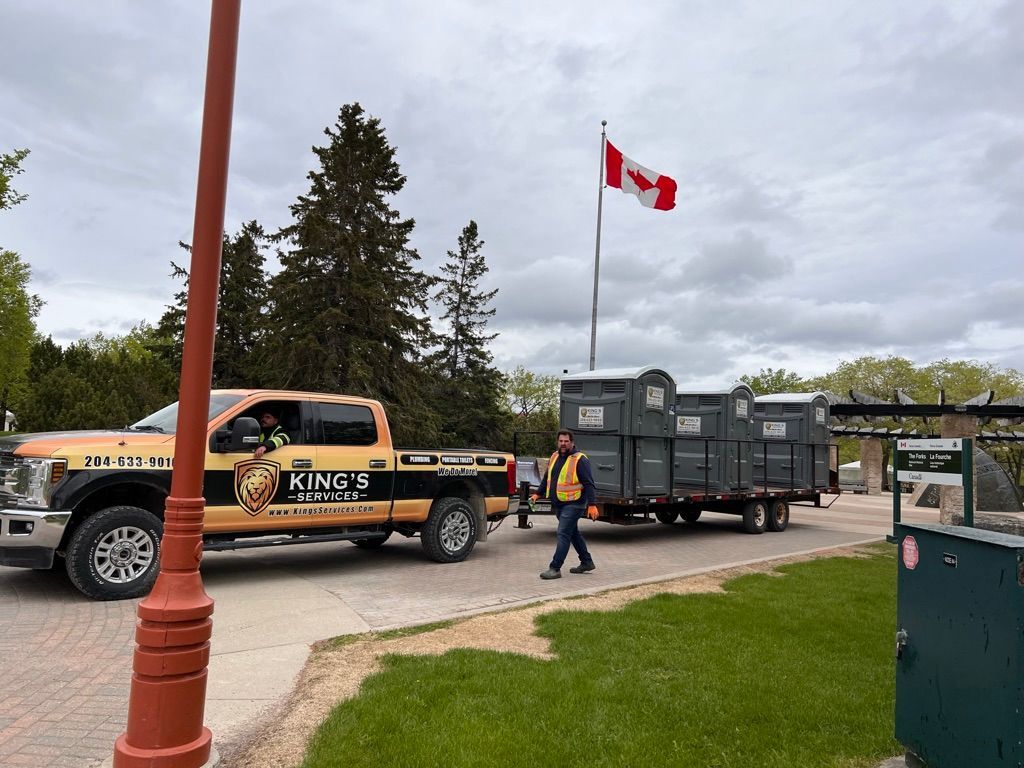
Not every event uses restrooms the same way. Wedding restroom planning differs from festival sanitation planning, and a corporate picnic differs from a sports tournament or a construction site restroom plan.
Here’s a practical starting table:
| Guests | 4 Hours | 6 Hours | 8+ Hours |
|---|---|---|---|
| 50 | 1 to 2 | 2 | 2 to 3 |
| 100 | 2 | 3 to 4 | 4 |
| 150 | 3 | 4 to 5 | 5 to 6 |
| 250 | 4 to 5 | 6 to 7 | 8+ |
| 500 | 8 to 10 | 12 to 14 | 15+ |
| 1,000 | 16 to 20 | 24 to 28 | 30+ |
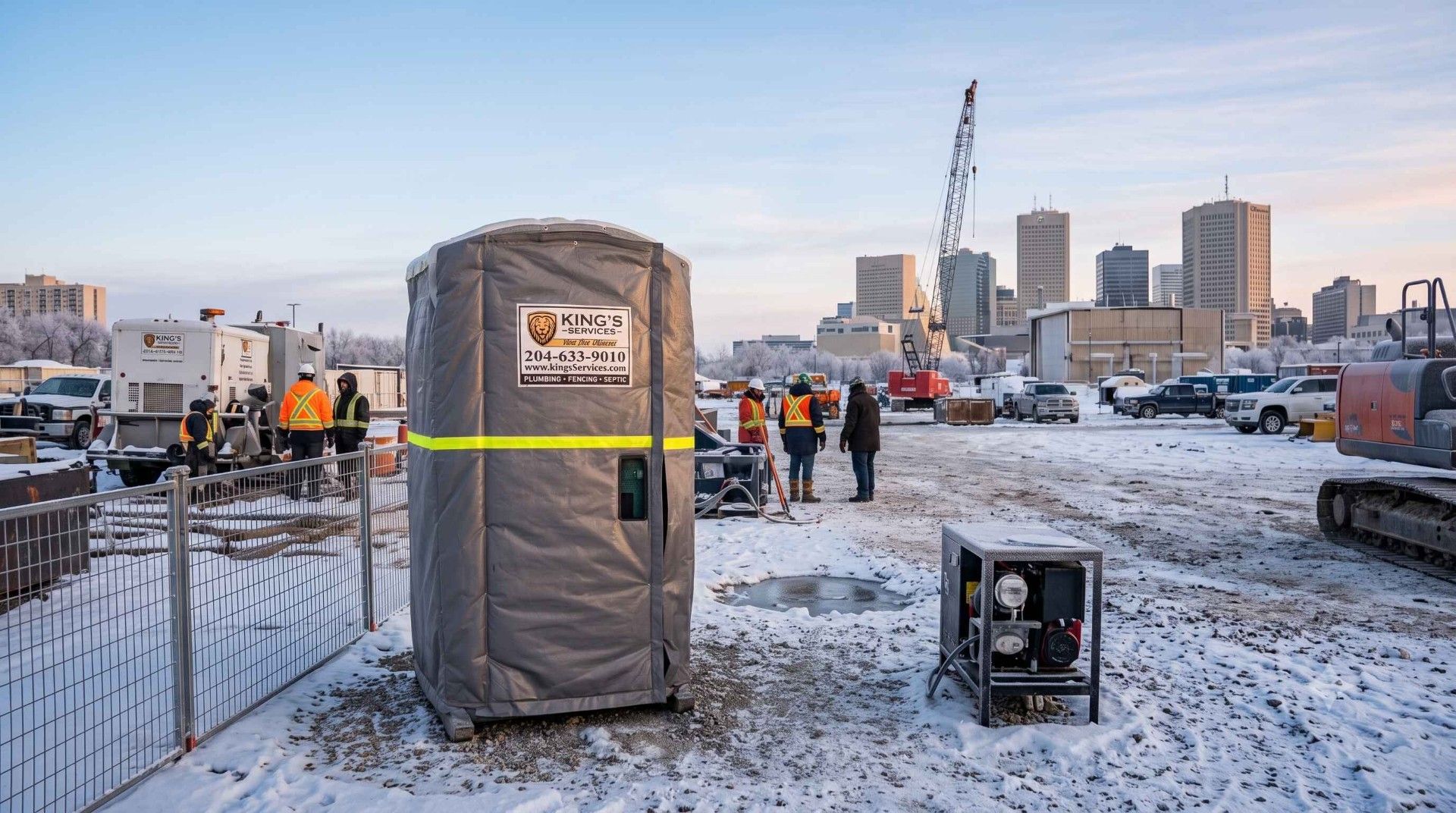
A good general toilet-to-guest ratio is 1 unit per 50 to 75 guests for a short event, then more as time, alcohol, heat, and crowd surges increase demand. Weddings usually need a cleaner, more comfortable setup, festivals and sports events need stronger counts than baseline, backyard parties can stay close to baseline with one extra unit for comfort; and construction sites are commonly planned around Occupational Safety and Health Administration (OSHA) guidance and local jobsite needs.
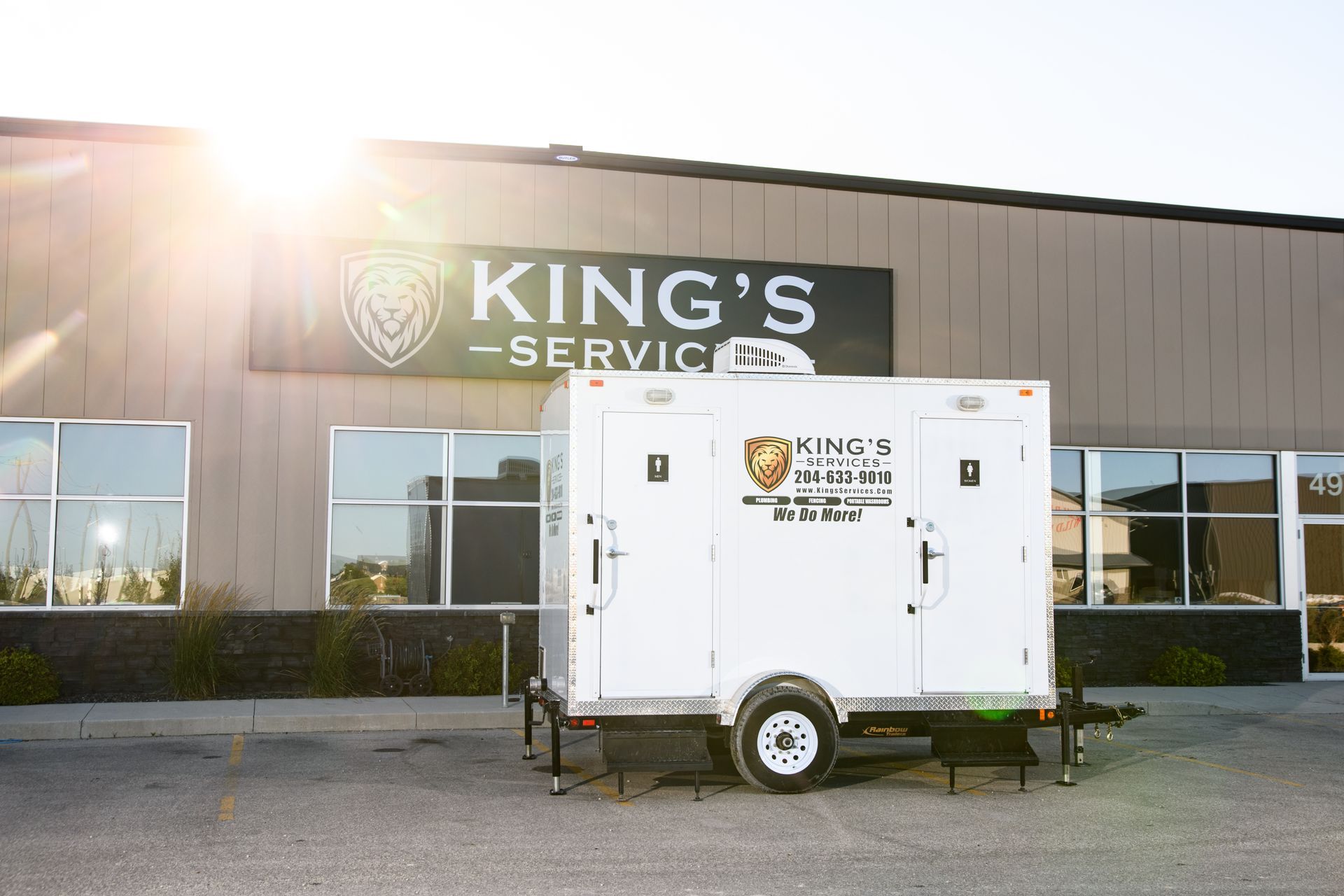
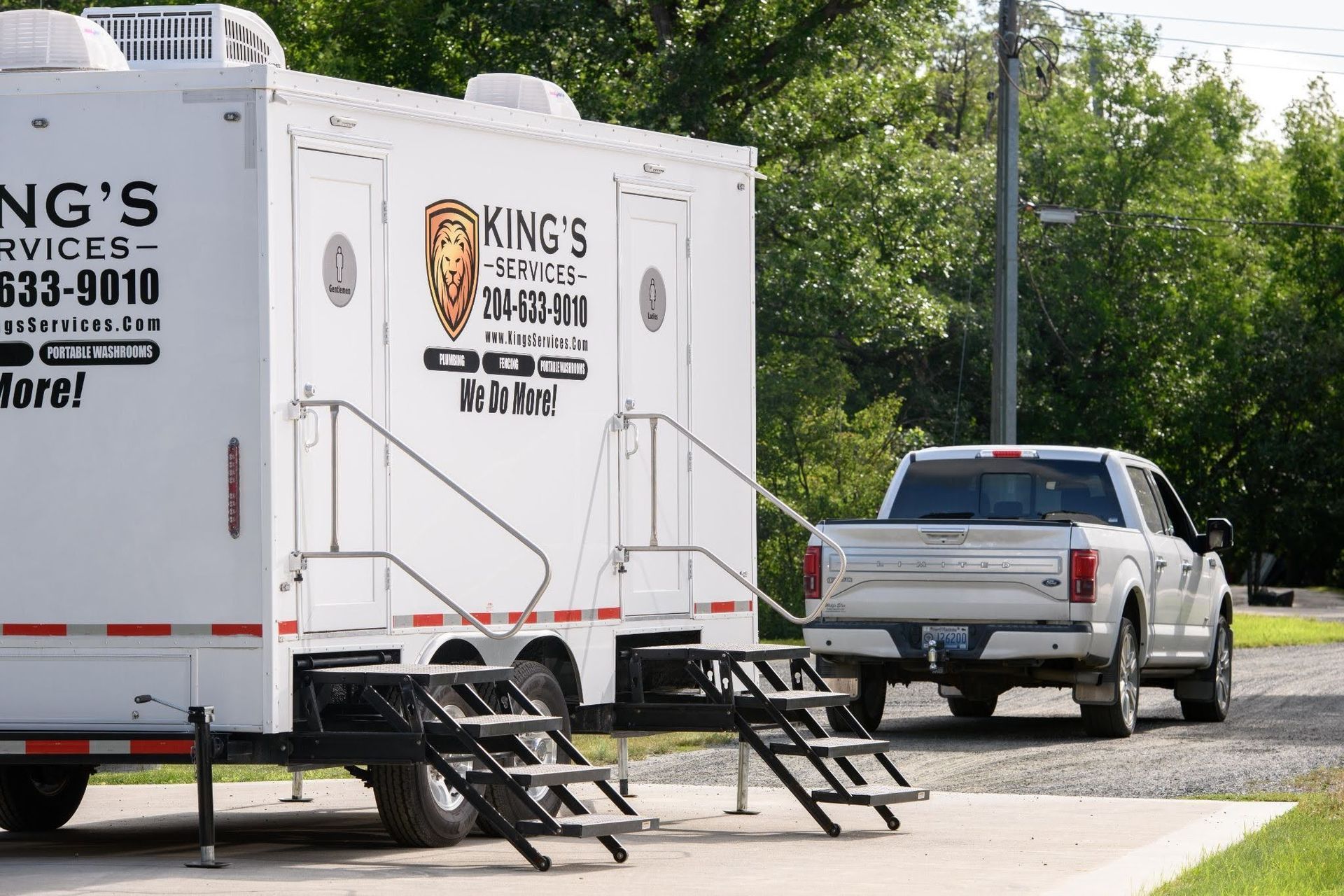
At King’s Services, we also help you decide when standard units stop being the best fit. A luxury restroom trailer can be a better match for weddings, Very Important Person (VIP) events, and upscale corporate gatherings where appearance, privacy, and comfort matter.
Don’t Forget Handwashing Stations, ADA Units, And Placement
A good count is only half the job. Hygiene, accessibility, and smart placement keep your portable restroom setup working once guests arrive, especially on large properties where one restroom bank at the entrance won’t be enough.
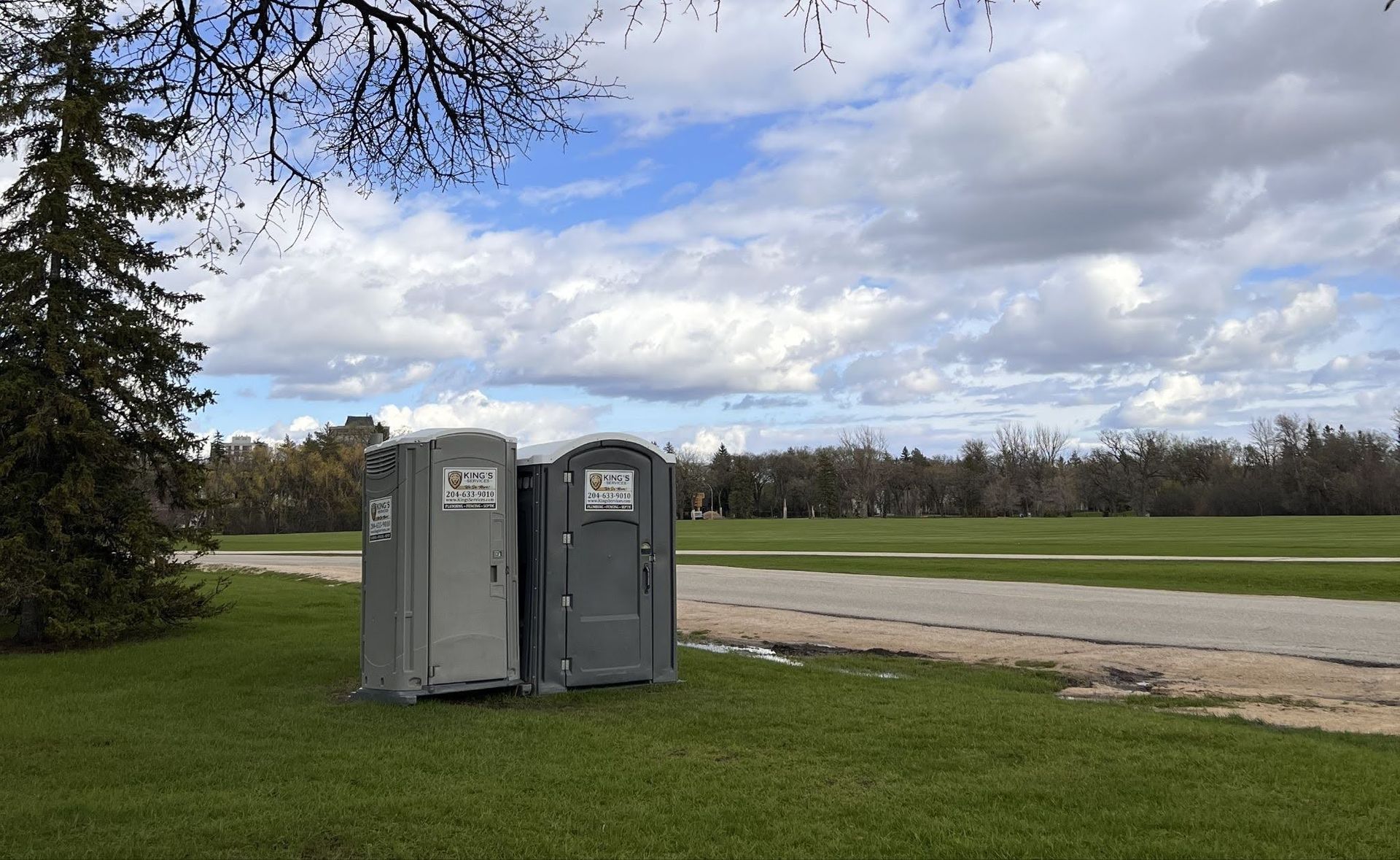
Place units on flat ground with easy walking access, nighttime lighting if needed, privacy from dining or photo areas, and enough delivery truck access for setup and servicing. If you’re serving food, add a handwashing station; a useful rule is 1 handwashing unit for every 4 toilets when food and all-day traffic are part of the setup.
Accessible planning shouldn't be an afterthought. The ADA standard commonly used in event planning is at least 5% accessible units, or 1 accessible unit for every 20 standard units, whichever is greater, and even for smaller counts, adding one ADA portable toilet is often the right move.
Get Reliable Event Porta-Potty Rentals From King’s Services
At King’s Services, we take the guesswork out of portable toilet rentals. A few indoor washrooms can’t always absorb a large outdoor crowd, and a too-small rental order usually leads to long waits, faster fill levels, and rushed mid-event fixes.
We can also help you decide when a restroom trailer makes more sense than standard units. If your event is formal, runs all day, hosts VIP guests, or needs a more polished look, a trailer often gives you a better guest experience, while standard units are usually the better value for practical coverage across a wide site.
Booking timing matters, especially during wedding season, fairs, graduations, and holiday weekends. Cost depends on unit count, trailer upgrades, service schedule, delivery distance, weekend timing, extra pumping, handwash add-ons, and site access, and sometimes adding one more unit is less expensive than paying for emergency service during the event.
Here’s our straightforward planning process:
Step 1: Share The Event Basics
We’ll ask for your guest count, event length, site layout, existing restrooms, alcohol plans, and whether your crowd includes lots of families, seniors, or children. If your event is overnight or multi-day, we’ll also talk through overnight use and service frequency.
Step 2: Match The Right Units
At King’s Services, we recommend standard units, accessible units, portable sinks, or trailers based on what your event actually needs. If you’re deciding between standard units and a trailer, we’ll look at formality, guest comfort, any needed power or water access, and event length.
Step 3: Schedule Delivery, Setup, & Service
We’ll review site access, flat ground, delivery timing, and the best layout for guest flow. For long or multi-day events, we’ll build a service schedule for cleaning, restocking, and pumping before problems start.
If you’re requesting a quote, it helps to have a few details ready:
- Estimated attendance
- Event duration
- Alcohol and food plans
- Site map or layout notes
- Existing restroom access
- Preferred delivery window
- Surface conditions and truck access
- Whether you want standard units, an ADA portable toilet, sinks, or a luxury restroom trailer
If you’re getting ready for a wedding, festival, fundraiser, jobsite, or family event, we’d love to help. Contact us at
King's Services and get a setup that fits your crowd, your space, and your day.
Frequently Asked Questions About Event Porta-Potty Rentals
How many porta-potties do I need for 50 guests?
For a 3 to 4-hour event, 1 unit is the baseline. If it runs longer, serves drinks, or has no nearby indoor restrooms, 2 units are usually better.
How many porta-potties do I need for 100 guests?
For 100 guests, plan on 2 units for up to 4 hours. For a 6-hour event or one with alcohol, 3 to 4 units is usually more comfortable.
How many porta-potties do I need for 200 guests?
A short event can start around 4 units. For longer events, alcohol service, or heavier line pressure, move closer to 5 or 6.
Do I need more portable toilets if alcohol is served?
Yes. Alcohol increases restroom use, so adding 15% to 20% more units is a smart rule.
Should I rent an ADA-accessible porta-potty for my event?
Usually, yes. Even when not required by a strict ratio, an accessible unit improves inclusivity and provides more interior space.
How often do porta-potties need to be serviced during an event?
For a single short event, clean delivery is often enough. For all-day, overnight, or multi-day events, plan for restocking, cleaning, and pumping based on traffic and unit count.