

How Often To Pump A Septic Tank Depending On Family Size
King's Services
When your septic system is out of sight, it's easy to forget about it. If you're wondering how often to pump a septic tank depending on family size, here's the simple answer: Most homes should plan on septic tank pumping every 3 to 5 years, but larger households, smaller tanks, and heavier water use can bring that closer to every 2 to 3 years, or even sooner.
At King’s Services, we help homeowners cut through mixed advice and focus on what matters. Family size is the biggest driver, but tank capacity, water habits, garbage disposal use, system age, and septic inspection results also matter. If you're already thinking about hiring us for septic tank cleaning in Deacons Corner, this guide will help you understand when pumping makes sense, when an inspection should come first, and which signs you shouldn't ignore.
Why Family Size Matters For Septic Tank Pumping Frequency
Your septic tank separates wastewater into layers. The sludge layer settles at the bottom, the scum layer floats at the top, and the liquid in the middle, called effluent, flows out toward the drain field, also called the leach field. That process works best when solids stay in the tank instead of getting pushed downstream.
Family size matters because more people mean more flushing, showers, dishes, and laundry. That adds up to faster solids buildup and more flow through the tank. A bigger household fills the tank faster.
At King’s Services, we tell homeowners that
household size is the biggest factor behind a realistic pumping schedule, but it works together with tank size and daily habits. A larger tank serving a smaller household can stretch the time between pump-outs. A smaller tank serving a busy household usually can't. That's why online advice sounds inconsistent. The Environmental Protection Agency (EPA) recommends pumping a septic tank every 3 to 5 years, but homes with higher use can need service every 2 to 3 years. Both can be true.
Pumping helps keep solids from reaching the drain field, where repairs get expensive fast, and protects parts like baffles and the outlet filter. At King’s Services, we also remind homeowners that pumping and inspection aren't the same thing. Pumping removes waste. Inspection checks condition, levels, and components. That's why years alone shouldn't be your only guide.
The EPA recommends pumping every 3 to 5 years as a baseline, and that lines up with broader
septic system management in Ontario. In Manitoba's rural climate, frozen ground, spring thaw, and access conditions can add stress to an already busy system. If the sludge and scum together take up too much of the tank, it's time to pump, even if the calendar says otherwise. Harsh chemicals and additives don't remove solids, so they don't replace pumping.
How Often To Pump A Septic Tank Based On Household Size
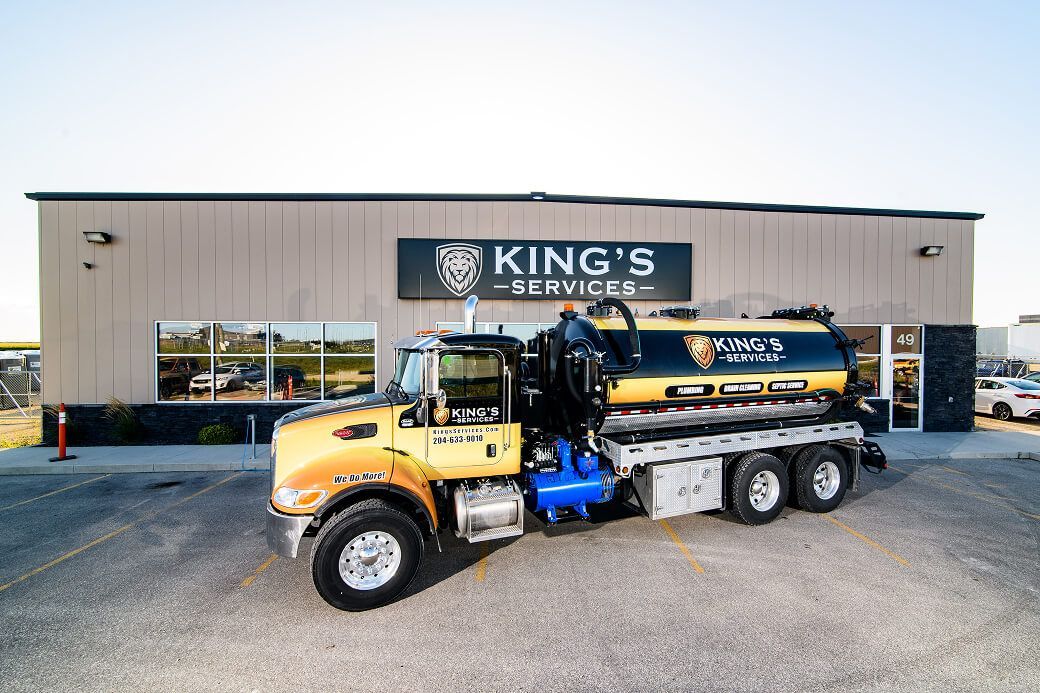
Here's the part most homeowners want: A chart that makes the answer clear. Search results show both “every 2 to 3 years” and “every 3 to 5 years” because occupancy, tank size, disposal use, and water habits all change the timeline.
At King’s Services, we look at
family size and tank size together because that's what gives you a useful estimate. A
1000-gallon septic tank serving a full household fills much faster than a
1500-gallon septic tank serving the same number of people.
| Tank Size | 1-2 People | 3-4 People | 5-6 People | 7+ People |
|---|---|---|---|---|
| 750 gallons | 2-3 years | 1-2 years | 1 year | Inspect often, usually under 1 year |
| 1,000 gallons | 4-5 years | 2-4 years | 1-2 years | 1-2 years |
| 1,250 gallons | 5 years | 3-4 years | 2-3 years | 1-2 years |
| 1,500 gallons | 5+ years with inspections | 4-5 years | 2-4 years | 2-3 years |
These are practical estimates, not a substitute for inspection. A family of four with a 1000-gallon septic tank usually needs to be pumped every 2 to 4 years. A family of seven can need pumping every 1 to 2 years, especially with high water usage. A 1250-gallon septic tank gives you more breathing room. A 1500-gallon septic tank gives you even more, but no tank is a free pass if the home is busy every day.
At King’s Services, we encourage homeowners to pair this chart with regular inspection. The EPA recommends inspecting a septic system at least every three years. If the sludge layer is more than about one-third of the working depth, or if the scum and sludge leave too little clear space for effluent, pumping shouldn't wait. If you want a solid maintenance baseline between visits, our
tips for maintaining septic systems can help you build better habits at home.
Other Factors That Change How Often A Septic Tank Needs Pumping
Two homes with the same number of people can still have very different schedules. Usage patterns matter as much as head count. A careful household can go longer than one with constant laundry, long showers, and a busy kitchen.
At King’s Services, we also see homes where the calendar looks fine on paper, but real-life use tells a different story. Working from home, frequent overnight guests, multigenerational living, and home-based childcare can all push a system harder than the bedroom count suggests.
Here are the biggest schedule changers:
- Regular garbage disposal use, which can increase solids and shorten pumping intervals significantly
- More than one load of laundry per day
- Long showers and high daily water use
- Leaking toilets or fixtures that quietly add hundreds of gallons
- Frequent guests or full-time occupancy in a home that used to be seasonal
- Home businesses with an extra sink or restroom use
- Older systems with worn parts or partial restrictions
- Vacation properties that sit lightly used, then get heavy use all at once
At King’s Services, we also explain the difference between pumping, cleaning, inspection, and maintenance because those terms get mixed together. Pumping removes the contents of the tank. Cleaning is often used as another word for pumping. Inspection checks the tank, levels, baffles, and sometimes the outlet filter.
Septic maintenance is the bigger picture, including water habits, records, and routine service timing.
Local rules matter, too. In some areas, bedroom count is used to size the system, but local health department guidelines still set the standard. That's why general advice should always be checked against local requirements and what a licensed professional sees on site.
Mindful water use can stretch the time between pumpings. Spread out laundry, fix leaks quickly, avoid flushing wipes and grease, and don't count on additives to solve a solids problem. If you're also trying to reduce buildup elsewhere in the system, these
keeping sewer lines clean tips are worth putting into practice.
Signs Your Septic Tank May Need Pumping Sooner
Waiting for symptoms isn't the best plan, but warning signs still matter because they usually mean the system is already under stress. If several fixtures are acting up at once, that's a much bigger concern than one slow sink.
Don't wait if you notice:
- Slow drains throughout the house
- Gurgling pipes in more than one fixture
- Sewage backup in toilets, tubs, sinks, or floor drains
- Sewage odours indoors or outside
- Wet spots in the yard near the tank or field
- Lush grass over the drain field areas compared with the rest of the yard
- Repeat drain problems after basic clearing
At King’s Services, we separate these into two buckets. Timing signals tell you maintenance is due soon, like an unknown service history or a household that's grown over time. Urgent warning signs tell you not to wait, like backups, strong odours, or wet ground near the field.
Solid buildup can push waste toward the drain field and clog the soil absorption area. Once that happens, costs rise quickly. A damaged field can run into thousands of dollars, while emergency backups can bring cleanup costs on top of the repair itself. That's why preventive maintenance is almost always the less stressful, less expensive path.
At King’s Services, we use a simple decision framework. If you don't know the last pumping date, schedule an inspection. If symptoms are already present, call for urgent service. If there are no symptoms but you have high occupancy, a small tank, or heavy water use, preventive pumping is usually the smarter move.
Regular pumping also helps protect soil and groundwater by keeping untreated waste where it belongs. If odours are your first clue, our guide on
dealing with sewer smells can help you understand what that smell is telling you and why it shouldn't be ignored.
Schedule Septic Tank Pumping With King’s Services
At King’s Services, we make professional septic pumping feel straightforward instead of confusing. Tank size and household size shape the best schedule, and more people usually means more wastewater moving through the system every day. Most tanks shouldn't go beyond 5 years without service, while many homes need pump-outs every 2 to 3 years because smaller tanks fill faster, high water usage shortens the interval, and garbage disposal use adds more solids.
At King’s Services, we also help homeowners understand the cost side before a problem turns urgent. Pricing varies by region, but septic pumping is usually influenced by tank size, how easy the lids are to access, whether digging is needed, whether frozen ground slows the visit, and whether inspection or filter service is added at the same time. Emergency calls usually cost more than planned maintenance, which is another reason a steady schedule saves money.
Our 3-Step Septic Care Process
Step 1: We Review Your Household Use
At King’s Services, we start with the practical questions. How many people live in the home? Is it full-time or seasonal? Do you use a garbage disposal? Have there been backups, slow drains, or sewer smells? If you're buying an older property and don't know the history, the importance of sewer inspection becomes even clearer.
Step 2: We Inspect & Recommend Timing
Pumping shouldn't be based on the calendar alone. We look at system age, maintenance history, warning signs, and whether an inspection should come first. We also check the condition of parts like baffles and the outlet filter when applicable. If the sludge and scum are taking up too much room, or if the tank isn't protecting the field the way it should, it's time to act.
Step 3: We Pump & Help You Plan Ahead
A pumping visit is usually quicker than people expect. Once access is ready, the actual pump-out for a typical residential tank can take around 20 to 30 minutes, though the full appointment can run longer if lids are buried, the ground is frozen, access is tight, or inspection work is added. At King’s Services, we also help you plan what comes next, because keeping records of service dates, tank size, and household changes makes future decisions much easier, and a strong maintenance history can improve home resale value.
Neglecting maintenance can lead to messy backups, system failure, and expensive repairs. In some cases, full replacement costs can climb into the five figures, which makes routine service the easier choice by far. If you want a better handle on the rest of your home's plumbing at the same time, our
whole-house plumbing inspection checklist is a helpful place to start.
If you'd like a schedule that actually fits your household instead of a generic rule,
King's Services can help you protect the system you rely on every day with advice that feels clear, practical, and built around how your home really works.
FAQ About Septic Tank Pumping Frequency
How often should a family of 2 pump a septic tank?
A family of two usually falls near the longer end of the range, especially with a 1250-gallon septic tank or 1500-gallon septic tank. Many homes in that category pump every 3.5 to 5 years, and some go longer with light use, but inspection still matters because sludge and scum levels tell the real story.
How often should a family of 4 pump a septic tank?
A family of four with a 1000-gallon septic tank will usually need pumping every 2 to 4 years. With a larger tank, it can stretch closer to 3 to 5 years. Long showers, frequent laundry, and disposal use can shorten the timeline.
Does a larger septic tank mean less frequent pumping?
Usually, yes. A larger tank gives solids more room to settle and stay put, which can extend the interval. But it doesn't cancel out heavy use. A large family can still fill a large tank faster than expected.
Can too much laundry or water use fill a septic tank faster?
Yes. Multiple laundry loads in one day, long showers, and ignored leaks all increase flow through the system. That can stir up solids, reduce settling time, and push waste toward the field sooner than it should.
What happens if you wait too long to pump a septic tank?
Waiting too long raises the risk of sludge buildup, backups, yard saturation, field damage, and contamination concerns. In short, the repair bill gets much bigger than the maintenance bill.
Is septic tank pumping on a schedule better than waiting for signs?
Yes. A schedule is far better than waiting for symptoms because tanks keep collecting solids even when everything seems fine. The best approach is to use years as a starting point, then confirm timing with inspection and actual tank conditions.