
Septic System Maintenance: Tips, Warning Signs, and Affordable Options for Winnipeg Homeowners
King's Services
and Affordable Options for Winnipeg Homeowners
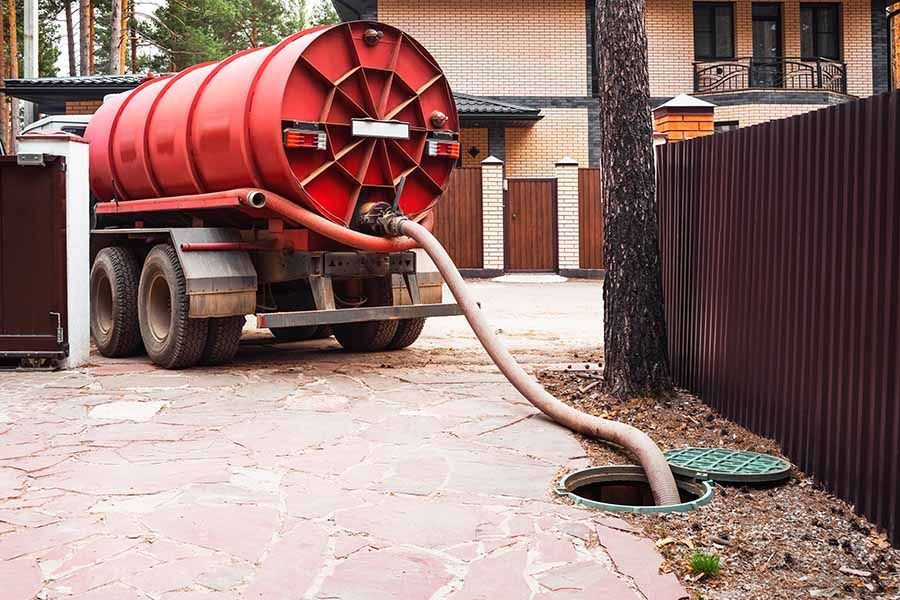
Maintaining a healthy septic system is essential for its efficiency and lifespan. There's no room for error when it comes to septic system maintenance. Failure in wastewater treatment systems leads to serious health hazards and a high risk of significant property damage.
While many property owners in and around Winnipeg don't think about their septic tanks until a problem arises, the team at King's Services wants to help everyone avoid unnecessary problems. Maintaining your septic system doesn't have to break the bank. You can save money and avoid expensive repairs by understanding the importance of regular upkeep.
King's Services is the leading provider of
certified septic tank cleaning in Winnipeg.
Why Regular Septic Maintenance Matters
Neglecting regular septic maintenance risks costly repairs and health hazards that can disrupt your life. A well-functioning septic system is vital for your home's sanitation and safety.
If you ignore routine checks, you could face unpleasant backups, foul odors, and even structural damage to your property. These issues create an uncomfortable living environment and can lead to significant financial strain.
Regular maintenance helps identify potential problems early, allowing you to address them before they escalate into more severe issues. It ensures your system operates efficiently, prolonging its lifespan and saving you money in the long run. Proper septic care goes beyond emergency cleanup and sludge removal. Routine inspections and pumping services prevent problems well in advance and protect your home from the risk of severe contamination.
Regular septic and drainage maintenance in the Winnipeg region is especially important in advance of our typically harsh winter weather conditions.
Regular Inspections and Pumping
Scheduling regular check-ups helps identify potential issues before they escalate into costly repairs. Typically, you should have your system inspected at least once a year, but if you have a larger household or heavy usage, consider more frequent visits.
During these inspections, professionals will assess the condition of your tank, check for leaks, and confirm that everything is functioning correctly.
Pumping your septic tank every three to five years is essential depending on usage. This process removes accumulated solids, preventing blockages and system failures. Don't wait until you notice signs of trouble; proactive maintenance keeps your system operating efficiently. Working with a reliable service like King's Services ensures you'll receive expert care tailored to your needs.
Warning Signs Your Septic System Needs Immediate Attention
Slow Drains and Standing Water
If your sinks and tubs are draining slowly or they retain standing water, the problem could be a localized clog in a drain. When the problem appears in multiple drains, it is more likely that the problem could lie deeper in your septic system.
When septic tanks reach or exceed capacity, the overflow prevents wastewater from properly draining from your plumbing system. This effluent disposal failure leads to sewage remaining inside your pipes and eventually backflowing into your home. Snowmelt over your septic field exacerbates this problem and can push marginal blockages into full sewage overflow.
Sewage Odours Indoors or Outside
The foul odour of sewage is an unmistakable warning sign of sewage management trouble. If you detect these smells coming from indoor drains, around your yard, or anywhere near your septic tank, the system is almost certainly either full or malfunctioning.
These odours are not only highly unpleasant but also immediately threaten human health. Concentrations of methane and hydrogen sulfide are harmful on their own and also displace essential oxygen. Your system needs immediate inspection for sludge removal and rehabilitation if you detect these odours.
Overflowing Toilets and Sewage Backups
Overflowing toilets and raw sewage backups are clear indications of a full or malfunctioning septic tank. Sewage backflow into your home is not only a significant health hazard but is also a major cause of significant property damage. When sewage soaks interior spaces, expensive structural and mold remediation is essential.
After addressing any immediate plumbing emergencies, this situation demands rapid sludge removal and septic tank cleanup to restore sanitation service.
Pooling Water in the Yard or Drain Field
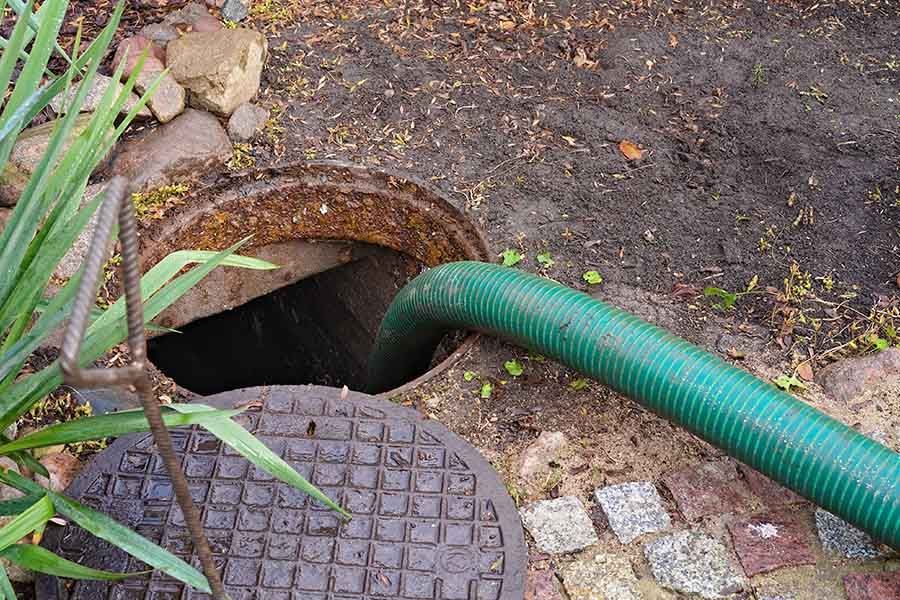
Visible water accumulation in your yard, especially when it is over or near your septic drain field, suggests that your system isn't managing effluent disposal effectively. As a septic tank fills and then overflows, untreated sewage can rise to the surface, forming puddles or damp, soggy spots in your yard.
If you notice pooling water that isn't associated with recent rainfall or snowmelt, it's time to schedule a septic tank cleanup as soon as possible.
Gurgling Noises in Pipes and Fixtures
Strange gurgling sounds coming from your toilets, sinks, or pipes are often signs of trapped air or waste somewhere in the system. Especially when you hear these noises from multiple drains inside your home, it can indicate tank overfilling and the beginning of backflow.
Significant temperature swings can make gurgling sounds more prevalent. You should consider these sounds as a warning sign that you are overdue for a septic tank cleanup.
Grease Buildup in the System
Kitchens are the leading source of plumbing clogs that can ultimately affect septic system performance. When grease enters a drain, it doesn't break down when mixed with water. Instead, it clings to pipe linings and begins to attract and accumulate other debris.
Even with diligent efforts to keep grease out of your kitchen drain, small amounts of insoluble material from food and cooking waste can still build up over time. Regular grease trap cleaning, along with a professional
septic system inspection, helps identify potential issues early and ensures your system operates efficiently.
Lush, Green Grass Over the Drain Field
If you see spots of unusually lush, dark green grass growing over or near your septic field, consider them as a warning sign. Raw sewage is likely overflowing into the subsurface area that feeds your turfgrass. While that waste serves as extra fertilization for your grass, it indicates an overflowing or failed septic tank and field. Look for this issue especially early in the spring and summer growing season.
Alarm Systems and Water Contamination
Many modern septic systems include alarms designed to notify homeowners when internal water levels are too low or too high. You should address any alarm notifications immediately to avoid system failures that can lead to groundwater contamination affecting local water sources.
When you schedule regular septic tank cleanup services, an expert technician should inspect your alarm system for proper function.
It's Been Over Three Years Since Your Last Cleanup
We recommend regular septic tank cleanup and servicing every three to five years for the average property. In some cases, more frequent service can be necessary due to topographic or environmental reasons. If it has been more than three years since your last septic system service, or if you don't remember when the last service occurred, you should
schedule routine maintenance as soon as possible.
Cost-Effective Maintenance Tips
Be Mindful of What You Flush
Flushing the wrong items can lead to clogs, backups, and costly repairs. Avoid flushing anything other than human waste or toilet paper. Items like wipes, feminine hygiene products, and paper towels can damage your system. Even "flushable" wipes don't break down like toilet paper, so steer clear of them.
Also, be cautious with chemicals; strong cleaners can disrupt the natural bacteria your septic system needs to function correctly. Use biodegradable soaps, eco-friendly detergents, and non-toxic cleaning products. When shopping, look for items labeled as "septic-safe." These products are formulated to be gentle on your system while providing effective cleaning.
Conserve Water
Reducing water usage lowers the amount of wastewater entering your system, which helps maintain ideal functioning. Simple changes can make a big difference:
Fix any leaks in faucets or toilets immediately — those drips add up quickly- Install low-flow showerheads and faucets
- Limit shower time
- Only run dishwashers and washing machines with full loads
- Spread out cleaning times throughout the week
Every drop counts. By being mindful of your water usage, you contribute to a healthier environment and prolong the lifespan of your septic system.
Maintain Drainage Areas
Ensure your yard slopes away from the septic tank and drain field. This helps prevent rainwater from pooling around these areas, which can lead to system overload. You should also keep gutters and downspouts clear and directed away from your septic system.
Regularly check for any landscaping or vegetation that might block drainage paths. Avoid planting large trees or shrubs near the septic system, as their roots can infiltrate and damage pipes. Instead, opt for grass, which helps absorb excess moisture while keeping the area stable.
Monitor for signs of standing water or unusually lush patches, as these could indicate potential issues.
Choosing the Right Septic Service Plan
When choosing a septic service plan, consider the following:
Service Frequency: Determine how often you'll need pumping and inspections based on your system's capacity and household usage.- Emergency Support: Look for a plan that offers 24/7 emergency services to handle unexpected issues promptly.
- Membership Benefits: Consider plans like King's Services' Royalty Membership, which can provide ongoing maintenance at a discounted rate.
- Reputation and Experience: Choose a provider with a strong track record and years of experience to ensure reliable service and support.
Benefits of Professional Septic Inspections
Hiring experts like King's Services brings many benefits that can save you time, money, and hassle in the long run:
Thorough Assessments: Professionals identify potential issues early, helping you avoid costly repairs.- Expert Knowledge: With over 35 years in the industry, you get reliable insights and solutions tailored to your system's needs.
- Emergency Support: Enjoy peace of mind knowing you have 24/7 access to expert help when needed.
Maintenance Plans: Benefit from membership options that ensure regular care, keeping your system in top shape.
Call King's Services for Reliable Septic Solutions in Winnipeg
King's Services has delivered top-quality septicservices since 1985. We've grown into a full-service company with 30 service trucks and more than 50 skilled professionals prepared to handle all situations.
Don't wait until small issues become major hazards. If you've noticed any of the warning signs we've discussed in this post, it's time to schedule a septic tank cleanup with the experts at King's Services. Contact us today and let us help your home remain safe, clean, and comfortable. We're ready to help.