

How to Fix Common Winnipeg Manitoba Water Heater Issues
King's Services
Water heaters are essential for our daily comfort, yet they often go unnoticed until something goes wrong. If you've suddenly found yourself without hot water, it's time to take action. Understanding the common issues and how to address them can save you time and money. There's much to unpack, from troubleshooting with no hot water to dealing with strange noises. Let's explore the steps to restore your water heater's efficiency.
Identifying the Signs of a Malfunctioning Water Heater
How can you tell if your water heater is malfunctioning? Look for a few key signs.
First, check the temperature of your water. If it's lukewarm or cold when you expect hot water, that's a red flag.
You should also be aware of unusual noises like popping or banging, indicating sediment buildup.
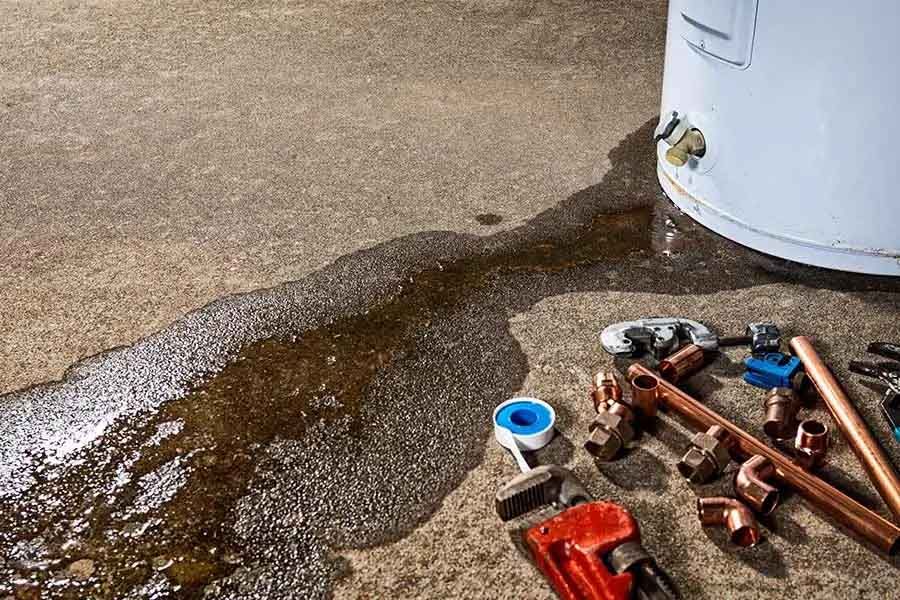
Additionally, if you notice leaks around the unit, it's time to take action.
Discoloration in your water, such as a rusty or brown tint, can signal rust inside the tank.
Finally, if your energy bills suddenly spike, your water heater might be working harder than it should.
Trust your instincts—if something feels off, it probably is.
Keeping an eye on these symptoms helps you catch problems early, preventing costly repairs.
If you've noticed any of these signs, don't hesitate to call a professional for assistance. Remember, a trained expert can ensure the correct installation of new units if replacement is necessary.
Troubleshooting No Hot Water Problems
Noticing a lack of hot water can be frustrating, especially after identifying the signs of a malfunctioning water heater.
First, check your thermostat settings; they might be set too low. If you have an electric heater, look for tripped circuit breakers or blown fuses. For gas heaters, verify that the pilot light is lit. If it's out, follow your manufacturer's instructions to relight it.
Next, inspect the water heater for unusual noises that could indicate sediment buildup. Flushing the tank can help improve efficiency. Additionally, if you notice no hot water, it could signify issues with heating elements or gas line leaks.
If you're still struggling, consider the age of your unit; older models may require replacement.
Addressing Leaks and Drips
When dealing with leaks and drips from your water heater, it's crucial to act quickly to prevent further damage.
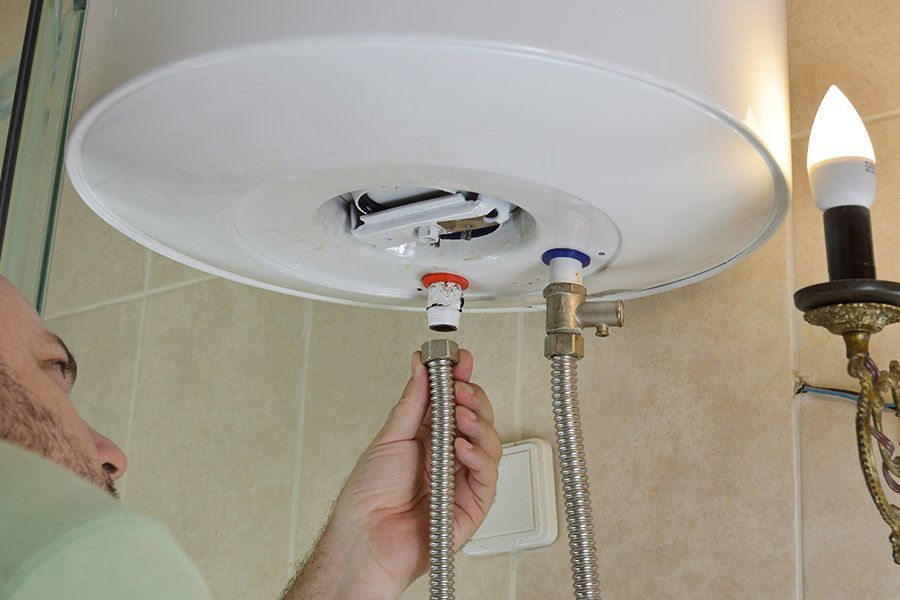
First, identify the source of the leak. Common culprits include loose connections, a damaged drain valve, or a corroded tank.
Turn off the power and water supply to the heater before you start any repairs.
If you notice a loose connection, tighten it gently with a wrench. For a leaking drain valve, you may need to replace the washer or the entire valve.
If corrosion is the issue, you may need to consider replacing the tank altogether, as this often indicates a more serious problem. Regular maintenance can help extend the lifespan of your water heaters.
Keep an eye on your water heater regularly to catch any leaks early.
If you're unsure or uncomfortable handling the repairs, don't hesitate to call a professional. King's Services is always ready to help with expert assistance.
Resolving Strange Noises From the Heater
After addressing leaks and drips, you might encounter strange noises from your water heater, which can be just as concerning.
These sounds often indicate underlying issues that need your attention. Here are some common noises and their possible causes:
- Banging: This could mean sediment buildup in the tank, causing water to boil and expand.
- Hissing: Typically indicates a leak or an issue with the heating element.
- Popping: Often caused by water boiling due to sediment accumulation.
- Gurgling: This might signal trapped air or a malfunctioning valve.
To resolve these noises, try flushing the tank to remove sediment. Regular tankless water heater maintenance can help prevent these issues from arising.
If the sounds persist, consider calling a professional for a thorough inspection.
Maintaining Your Water Heater for Longevity
Regular maintenance is vital to keep your water heater running efficiently for years.
Start by flushing your tank annually to remove sediment buildup, which can affect efficiency and lifespan. Check the anode rod every few years; replacing it when corroded can prevent tank rusting.
Additionally, inspect and adjust the temperature to around 120°F to save energy and reduce scalding risks.
Don't forget to look for leaks or signs of wear around the fittings and pipes. If you spot any issues, address them promptly to avoid bigger problems.
Insulating your water heater and the first few feet of hot and cold water pipes can also enhance efficiency.
Consider scheduling professional maintenance with a trusted service like King's Services. Their expertise guarantees your water heater remains in top shape, giving you peace of mind and reliable hot water for years.
Conclusion
Now that you know how to tackle those pesky water heater issues, don't wait until the next cold shower hits to take action. Imagine you turn on the tap, and nothing but icy water rushes out. Yikes! You can avoid those chilling surprises by staying proactive with regular maintenance and addressing problems early. So, what are you waiting for? Immerse yourself in your water heater care routine today, and keep those warm showers flowing!