

King Service's Logo

Water Heaters in Winnipeg, Manitoba

Is your water heater acting up? Whether you're in need of a new installation, repair, or maintenance, our expert water heater services in Winnipeg ensure you have hot water when you need it most. Call now for a quick quote and expert service!
GET IN TOUCH
Hands working on car engine components near windshield.
Black rounded rectangle.

Professional Water Heater Repair in Winnipeg

Keep that hot water flowing by calling King’s Services at 204-633-9010 for expert water heater repair and replacement in Winnipeg, Manitoba!


We Winnipeg residents depend on our water heaters to wash our clothes, clean our dishes and enjoy a hot shower or bath. However, despite our water heaters’ daily hard work, most of us take them for granted. Water heaters perform well for over 10 years with minimal maintenance; but, when they finally do break down, it represents a minor emergency.


King’s Services has repaired and replaced water heaters all around Winnipeg and surrounding area. We’ve witnessed water heater technology’s evolution over the decades and have serviced all types of water heaters on the market. If you’ve noticed a change in your water heater’s performance, a quick repair or maintenance can prevent the need for a replacement unit in the future. 

GET IN TOUCH
Black rounded rectangle on white background.

Choosing the Right Water Heater

There are a few decisions you'll need to make when you replace your hot water heater, including:

  • Tank or tankless?
  • Gas or electric?
  • What size?

If that sounds like a lot of questions, don't worry- we'll help you decide which water heater is right for you based on your home's access to utilities, your family's daily hot water use and your budget. Call us today to book an in-home consultation.

Black horizontal bar with rounded left end on a white background.

Signs that you need to search for "hot water tank repair near me" in Winnipeg

Your water heater will let you know when it needs repair. Unfamiliar sounds and smells both represent dead giveaways. However, gas and electric water heaters display other signs that it’s time to call the best water heater technicians in Winnipeg. If you notice any of the following signs that your water heater may need a repair, give King’s Services a call as soon as possible:


  • Strange noises
  • Leaks or cracks
  • Slow heating
  • Insufficient hot water
  • Tap water tastes bad
  • Discoloured water
  • Restricted flow
  • Water smells like rotten eggs


If any of the above signs seem familiar to you, contact King’s Services for water heater repairs before a minor issue becomes a costly catastrophic failure. King's will go through what can be done to repair or maintain and also what are the many options for replacement.
GET IN TOUCH
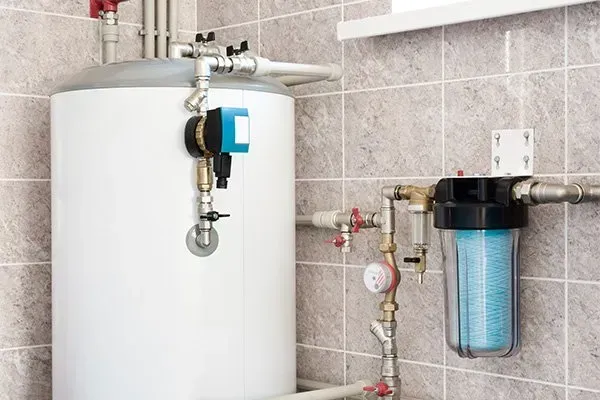
White water heater with attached pipes and filter system in a tiled room.
Black horizontal rectangle with rounded left edge on a white background.

Possible Causes of a Water Heater Malfunction

At King’s Services, many of our clients ask us why their water heaters broke down. Sometimes, the cause becomes immediately apparent upon initial inspection. Other times, diagnosing the problem requires specialized tools. Some of the most common causes of a water heater malfunction are included below.
  • Rust in Winnipeg

    Metal hot water tanks and water don’t make a great match. Their combination leads to corrosion and rust inside the storage tank. To prevent rust, our licensed technicians check and replace sacrificial anode rods, which oxidize and degrade faster than the water heater tank’s metal. However, if the anode rod wears out, the water heater becomes susceptible to rust once again.

  • Sediments in Winnipeg

    Clients who own older water heaters may grow accustomed to a bit of sediment knocking against the bottom of the tank. Tap water contains various minerals that collect and form deposits over time. A little sediment doesn’t cause much of an issue. But, lots of sediment can block critical components and lead to systemic breakdown. You should be flushing the sediment out of your hot water tank at least once a year. This is usually a requirement for your hot water tank warranty from most manufacturers.

  • Size of Winnipeg Heater

    Some clients unwittingly purchase small water heaters with insufficient heating elements to supply the entire house with heated water. The water heater works overtime to compensate for this, resulting in additional wear-and-tear on the unit’s essential parts. Ultimately, the small water heater will fail long before reaching its expected lifespan.

  • Water Heaters Age

    All water heaters come with an expected lifespan when purchased new. If well-maintained, a high-quality water heater installation will last for nearly a decade. Unfortunately, every water heater has an expiration date. In many cases, the cost of a significant repair or repetitive minor repairs becomes high enough to warrant a replacement rather than a repair.

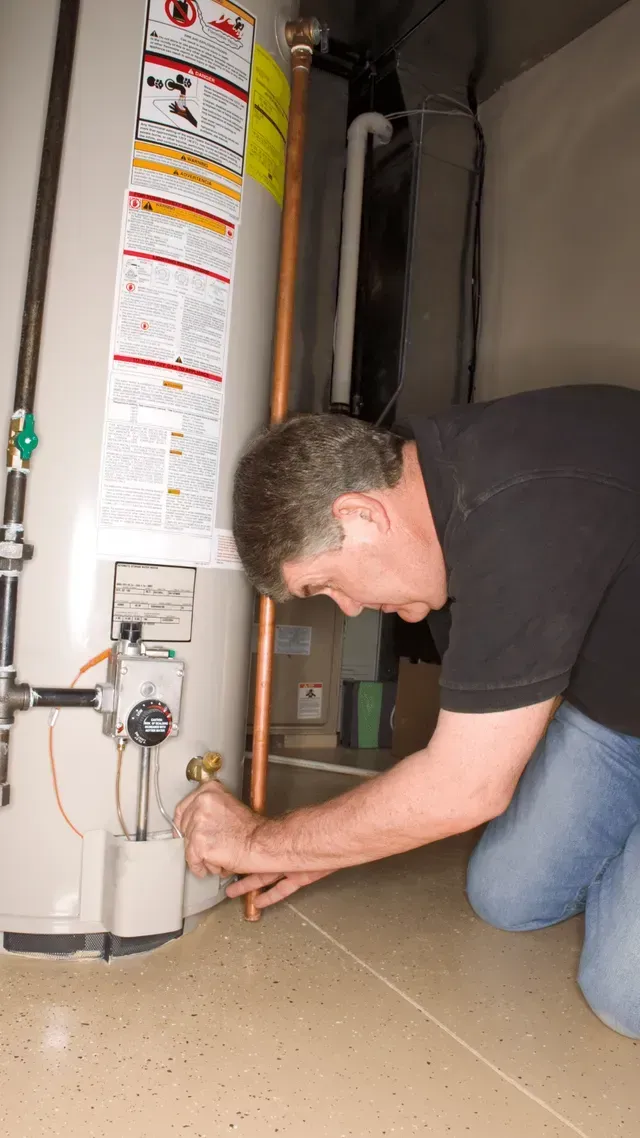
Man kneeling by a water heater, adjusting a valve. He's in a basement setting.
Black rectangular button with rounded left edge on a white background.

Water Heater Maintenance Tips

You can save yourself a lot of time and money on repairs by ensuring your water heater receives regular maintenance, much of which you can perform yourself. Enjoy more time between water heater repairs thanks to the following water heater maintenance tips.

  • Flush Your Water Heater Every Year

    Flushing your water heater every year goes a long way towards extending the life of your unit. To flush your water heater, first turn off the power or gas to your water heater, as well as the water supply. Then, connect a hose to the drain valve at the bottom of the tank. Make sure you’ve found a good place to accept all of the drained water before opening the supply lineup to help force the water and sediment out the bottom of the tank.

  • Check the Sacrificial Anode Rod

    Since you already have the water heater drained, you might as well check the sacrificial anode rod. It’s attached to a hex nut found on the top of your water heater. Loosen the nut and pull out the rod to inspect it. If you can see the rod’s steel core, you should replace it with a new one. Generally the anode rod is at the top of the tank so the tank will need to be drain below this opening. You should shut off all gas or electricity to the unit and close off the supply line of cold water as well.

  • Shut Off or Turn the Temperature Down When Away from Home

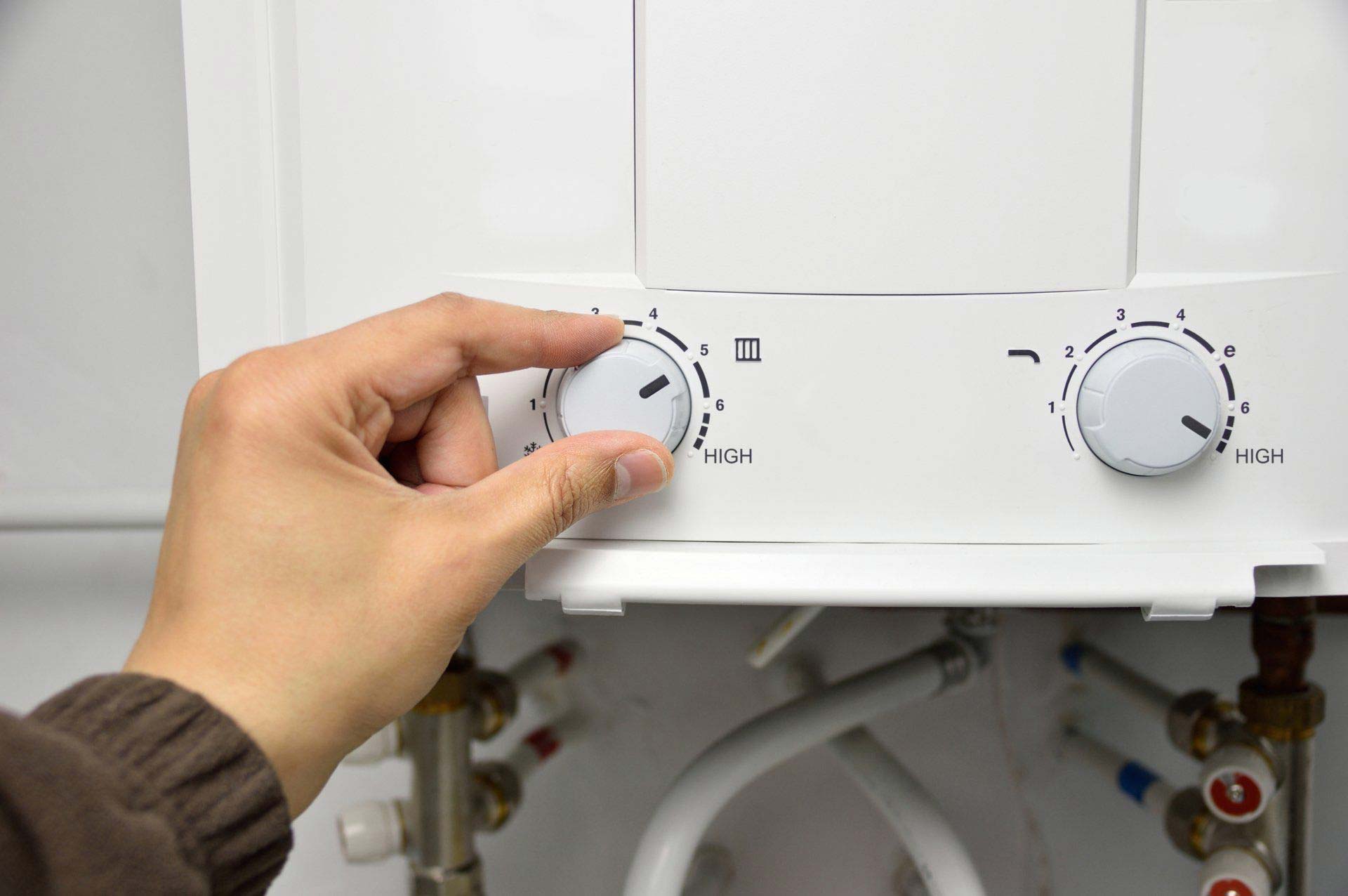
    When it comes to extending the life of your water heater, every little bit counts. If you plan a multi-day vacation, consider turning off the gas supply Or turn down the temperature on the outside of the tank. Not only will this save you money, but it will also reduce wear-and-tear on key parts.

  • How To Do General inspections

    Regular inspections of your water heater are crucial to ensure it runs efficiently and safely. Start by checking the thermostat to ensure it's set between 120°F and 140°F for optimal performance. Inspect the tank for any visible leaks and examine the anode rod to prevent corrosion. Sediment build-up at the bottom of the tank can affect heating efficiency, so flush the tank annually to remove any debris. Test the pressure relief valve to make sure it’s working properly, and check the insulation around pipes to prevent heat loss. Listen for any unusual noises, like popping or rumbling, which could indicate a problem. By performing these simple inspections, you can extend the life of your water heater and avoid costly repairs.

  • How To Check For Leaks

    To check for leaks in your water heater, start by inspecting the tank and surrounding area for any visible water. Look for damp spots, puddles, or signs of moisture, which may indicate a leak. Check the base of the tank and the area around the inlet and outlet pipes. Also, examine the pressure relief valve and drain valve for signs of leakage. If you have a gas water heater, inspect the venting system and connections for any signs of corrosion or leakage. To be thorough, place a dry cloth or paper towel around these areas and check periodically for wetness. Additionally, you can inspect the anode rod, as corrosion can sometimes cause leaks. If you detect any leaks, it's important to address them immediately to prevent water damage or further system issues. Contact a professional plumber for repairs if necessary.


  • How To Clean A Water Heater

    To clean your water heater, start by turning off the power or gas supply to the unit. Next, shut off the cold water supply valve and attach a hose to the drain valve at the bottom of the tank. Position the hose where the water can drain safely, then open the drain valve and allow the tank to empty. Once the tank is empty, use a long brush or a sponge to clean the interior, removing any sediment buildup, which can affect heating efficiency. After cleaning, close the drain valve, remove the hose, and refill the tank by turning on the cold water supply. Finally, restore power or gas to the unit and check for any leaks. Regular cleaning every 6-12 months can help extend the lifespan of your water heater and improve its efficiency.

  • How To Maintain a Water Heater

    To maintain a water heater, perform annual tasks like flushing the tank to remove sediment, testing the pressure relief valve, and inspecting the anode rod. Additionally, regularly check for leaks, adjust the temperature to a safe 120°F, and ensure the area around the unit is clear of flammable materials. For gas units, also check that the venting system is clear and the pilot light is functioning correctly. 

  • What regular maintenance should be done on a water heater?

    Regular maintenance of your water heater helps ensure it operates efficiently and extends its lifespan. First, check the thermostat and set it to 120°F to prevent overheating and save energy. Annually inspect the tank for leaks or signs of corrosion, especially around the base and valves. Flush the tank once a year to remove sediment buildup, which can affect heating efficiency. Check the anode rod every 1-3 years and replace it if more than 50% corroded to prevent tank rust. Test the pressure relief valve annually by lifting its lever to ensure it's functioning properly and can release excess pressure. Inspect the pipes for proper insulation, especially in colder climates, to prevent heat loss. Lastly, inspect for any unusual noises, like popping or rumbling, which may indicate sediment buildup or a malfunction.

  • What happens if you don't flush your water heater?

    If you don't flush your water heater regularly, sediment can build up at the bottom of the tank. This sediment, often made up of minerals like calcium and magnesium, can reduce the efficiency of the water heater by insulating the water from the heating element. As a result, the heater has to work harder to heat the water, leading to increased energy consumption and higher utility bills. Over time, the sediment buildup can also cause the tank to overheat, potentially damaging the heating element or causing premature wear on the unit. In extreme cases, the sediment buildup can lead to clogs or leaks, which may require costly repairs or even replacement of the water heater. Flushing your water heater annually helps prevent these issues and ensures the unit runs efficiently.


  • What is the 10 rule of preventive maintenance?

    FirstRank Search Engine Marketing said:


    The "10 Rules of Preventive Maintenance" are a set of guidelines designed to ensure that equipment and systems run efficiently and to prevent unexpected failures. Here are the key principles:


    1. Follow Manufacturer Recommendations: Always adhere to the manufacturer’s maintenance guidelines for optimal performance.
    2. Regular Inspections: Conduct frequent inspections to identify early signs of wear and tear or potential issues.
    3. Lubricate Moving Parts: Regularly lubricate components to prevent friction and wear.
    4. Clean Equipment: Ensure all equipment is cleaned regularly to prevent the buildup of dirt, dust, and other debris that could affect its operation.
    5. Replace Worn Parts: Replace parts that show signs of wear before they fail.
    6. Calibrate Instruments: Regularly calibrate equipment to maintain accurate performance.
    7. Test Safety Features: Check safety systems (e.g., emergency shutoffs, alarms) to ensure they function properly.
    8. Record Maintenance: Keep detailed records of maintenance activities to track equipment history and predict future needs.
    9. Train Personnel: Ensure that maintenance staff are properly trained and familiar with the equipment.
    10. Use Proper Tools: Always use the correct tools and materials to perform maintenance tasks to avoid damaging equipment.

    By following these rules, preventive maintenance can extend equipment lifespan, reduce downtime, and prevent costly repairs.

GET IN TOUCH
Black horizontal rounded rectangle.

Water Heater FAQ

At King’s Services, we receive a lot of questions from our clients. And, we’re more than happy to answer all of them. Here are some of the most common questions we hear from customers regarding their water heaters.

  • How Do I Check the Age of My Water Heater?

    On the water heater, you should find a plate or sticker that contains the serial number, model number, and date of manufacture. This information gives you a good idea of how much wear-and-tear your unit has experienced.

  • What Does Hard Water Do To My Water Heater?

    Over time, the minerals found in tap water start to collect on the interior walls of pipes and major components. These deposits can reduce your unit’s energy efficiency and eventually lead to repairs or depending on your area and hardness of water will impact the life of your unit.

  • What Is the Right Temperature Setting for My Water Heater?

    For a new water heater, we recommend a temperature setting of about 50°C. However, older units may require you to turn up the thermostat to reach the desired temperature for bathing, washing clothes, and cleaning dishes.

If you suspect your hot water tank needs repair or replacement, don't hesitate to call King’s Services at 431-813-5843. Discuss your water heater concerns with our friendly staff, and we'll guide you towards the best solution, providing the top-notch emergency water heater service you need.

King Services

Check out the other Services we provide in Winnipeg, MB