

Why Do I Hear Water Running in My Septic Tank?
King's Services
Anyone who owns a septic tank knows that one of the most common signs of sewage problems is gurgling and whooshing sounds coming from your tank. If you hear gurgling and sputtering from your tank, the next natural question is, "Why do I hear water running in my septic tank?" With that in mind, the team at King’s Services is here to answer your questions about septic tank water sounds and causes of septic tank noises.
Contact us today to schedule septic tank cleaning in Manitoba.
What Does a Septic Tank Do?
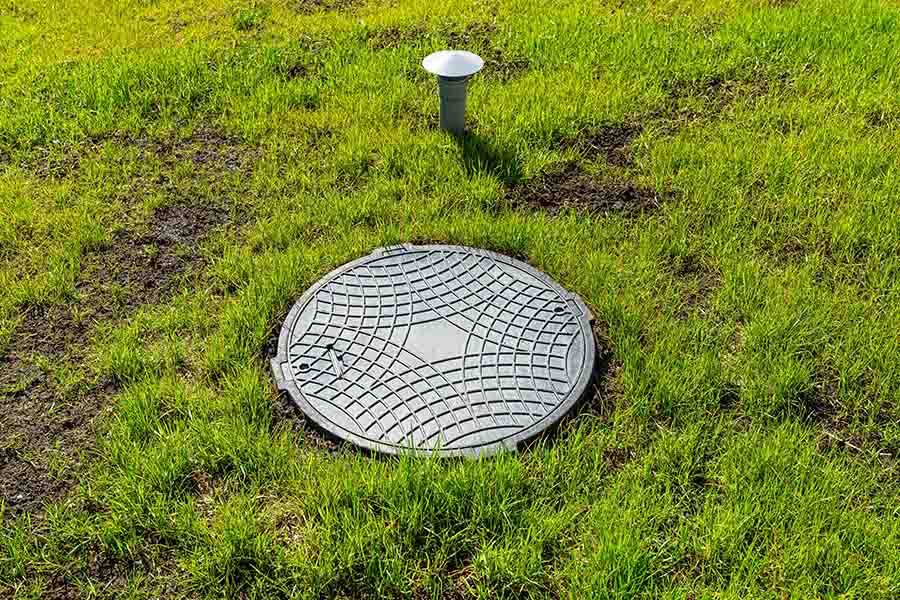
If your home does not connect to a public sewer line, then it has a septic tank. Septic tanks exist to filter and drain wastewater while also breaking down organic waste. Septic tanks are typically located in a specially built reservoir in the yard. Your home’s drain lines empty into the septic tank, where solid waste falls to the bottom and oils and wastewater rise to the top.
The point of septic systems is to dispose of and treat raw sewage. Without a tank to process it, sewage waste can quickly contaminate drainage patches and your yard.
Why Is There Running Water in My Septic Tank?
Wastewater is constantly flowing into your septic tank, but you should not be able to hear it under normal operation. Below are some of the most common reasons why you hear water running in a septic tank.
Groundwater Leak
Since septic tanks are placed in the ground, they are at risk of groundwater leaks. Concrete and PVC tanks can crack from pressure, allowing groundwater in and wastewater out. With metal tanks, corrosion can weaken the walls, causing them to break.
It is imperative to address a damaged septic tank as soon as possible, as wastewater leakage can lead to several other problems. One of the most common signs you have a leak in your septic tank is damp or overly green patches of grass near where the tank is buried.
Root Infiltration
Septic tanks in the ground are at risk of root infiltration. Nearby tree roots can grow into your tank and pierce the walls or pipes, causing water to rush out. Fixing root intrusion requires removing the offending roots and repairing the damage, so you’ll need to call an expert to handle it.
Clogged Tank Drainage
Typically, your septic tank has an output drain for removing wastewater. In some cases, solid waste can clog this output drain, causing fluid to rush back and create sounds of audible water in your septic tank. This kind of backflow builds up tank pressure, which can cause sewage to back up in your home through toilets, sinks, and any appliance that connects to your main drain lines.
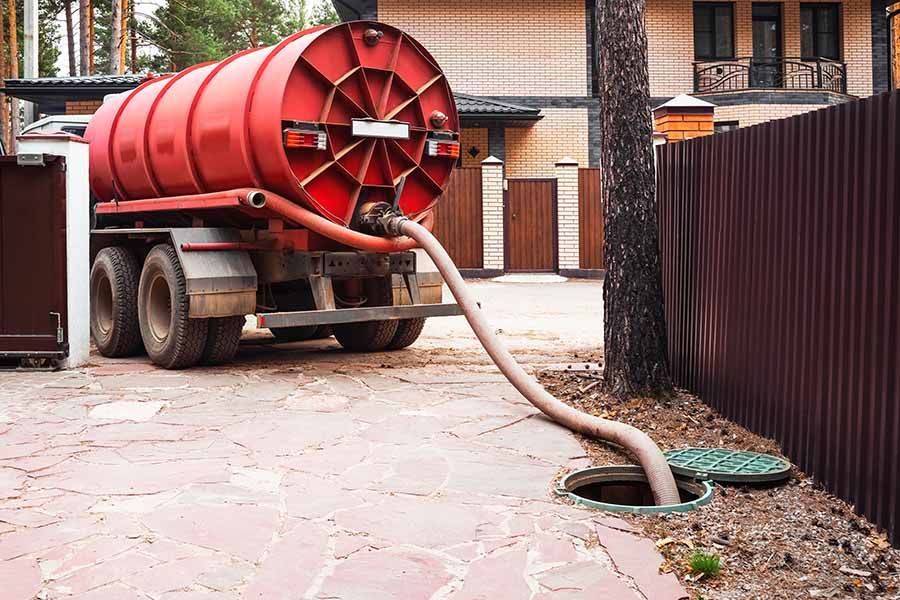
You can handle a septic tank clog by scheduling septic tank pumping and cleaning. A professional crew can remove any blockages and pump out excess solid waste that is causing the tank to clog. Septic tank clogs put stress on the tank and can damage its walls or sewer line, so it’s crucial you address clogs quickly.
Septic Pump Is Damaged
Most septic tanks are slightly angled so gravity can handle draining wastewater. If your property prevents a sloped drain field, then you may need a septic pump to ensure waste drains in the right direction. If the pump turns off or malfunctions, water can rush back into the tank, creating a loud running sound.
Depending on the extent of the problem, you may have to replace the septic pump. A professional can help with identifying septic system water flow and sourcing the right pump for your tank and install it.
Do Septic Tanks Make Any Noise?
The sound of running water in a septic system is a sign of a problem, but what should a septic tank sound like?
Most septic tanks shouldn’t make any noise at all, especially if they are completely gravity-based. If a tank has an air pump to circulate sewage, you may hear a slight humming sound while it’s on. If the pump becomes louder or starts making scraping or grinding noises, it’s probably broken.
Some tanks play a small alarm sound when the tank is full and needs pumping. The average 1000-gallon tank will need to be pumped once every two to three years, depending on the number of people in the house and usage. The alarm sound is usually a short infrequent beep.
Tips to Protect Your Septic Tank
The best way of preventing sounds from your septic tank and septic tank issues is to properly care for your system. Below are some tips you can follow to protect your tank and keep it functioning optimally.
- Don’t put foreign objects in your septic tank. A septic tank is not a trash can, so you shouldn’t put anything in there other than waste and waste products. Foreign objects can clog the tank or damage your sewer line.
- Get regular pumping. Septic tanks naturally separate wastewater and solid waste, so you only need to pump it once every few years. However, it is important you pump your tank or else it can overflow. Tank pumping can be part of routine tank inspections.
- Don’t overdo it with the cleaning chemicals. Your septic tank cultivates bacterial colonies that break down organic waste. Harsh chemical cleaners can upset the bacterial composition of your tank, making it less efficient at breaking down water. Harsh chemicals can also damage the tank.
- Keep the drain field clear. Septic tank drain fields should be slightly sloped with little to no vegetation. Keep vehicles off the field, and don’t plant anything nearby.
- Conserve water usage. Using too much water too quickly can force solid waste out of the tank through the wastewater pipe, which can cause tank clogs.
Plumbing & Septic Services in Manitoba and Surrounding Areas
So, “Why do I hear water running in my septic tank?" The answer is a septic problem you need to address. The best method to protect your sewer is through regular septic system service frequency. Contact King's Service online or call 204-633-9010 to schedule an appointment!