

7 Plumbing Problems You May Not Need a Plumber For
King's Services
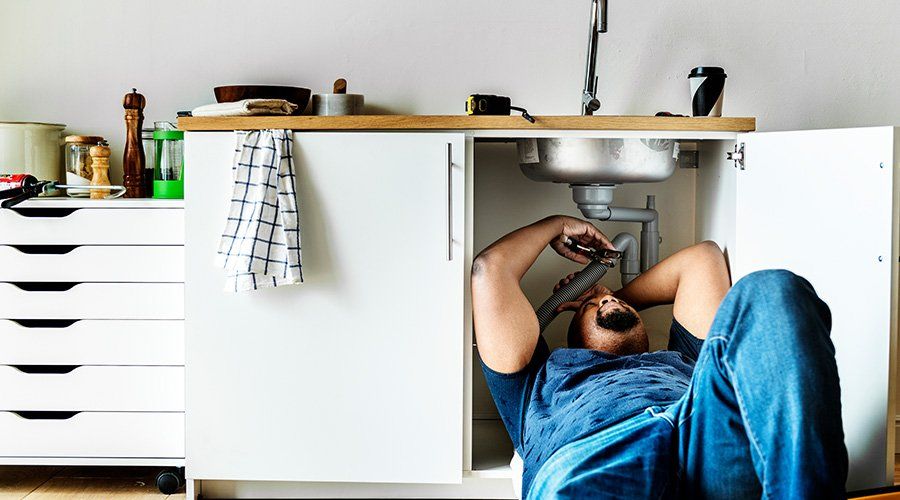
If your home is like most homes, you’ve got at least one nagging plumbing issue that you’d wish would go away.
Which one of the following plumbing problems have you got in your home now?
Bringing your attention to these nuisances and offering an opinion on what problems warrant a DIY approach or a “you should call a certified plumber” option may help you prevent larger problems down the road.
Dripping faucets
A small drip is not only a waste of water, but it can cost you a substantial amount of money if left unchecked. Question for you … how many dripping faucets do you have in your home? Hint: check all bathroom sinks, showers, tubs, kitchen sink(s), hook-ups for your dishwasher, refrigerator, washing machine, clothes dryer (yes, new clothes dryers with wrinkle guard have water hook-ups). Even your outside taps, they can leak as well!
Did You Know?
A faucet that just once per second can waste more than 13,500 litres of water per year
Leaky pipes and water lines
Although this can happen in any home at any time, it is more of an issue in older homes. Lead or copper pipes need to be inspected on a regular basis as they can lose their integrity and ability to keep water inside. Most leaky pipes will fail at the joints. Always be on the look out for leaking pipes and be prepared to fix them immediately. Even a small leak can cause expensive damage to your home.
Running toilet
You may be surprised to learn a running toilet can run through as much as 500 liters a day!. Running toilets are usually caused by water leaks inside the tank due to fatigued parts. Sometimes, a few adjustments to these parts can buy you a little extra time. For older traditional toilets with easy-to-access tanks and readily available replacement parts, a do-it-yourself repair job is doable and makes perfect sense.
WARNING: For the newer low flush toilets, the inside of the tanks are more complex. It would probably make sense to have a professional inspect and repair these toilets.
Did You Know?
A low flush toilet can save up tp 80,000 litrees of water per year.
Slow or clogged drains
Most clogged drains in the home are a result of hair in the bathroom sink drains and food, grease or oil in the kitchen sink drains. For bathroom sinks, opening the trap (the curved pipe that holds water below the sink) is often enough to clean out or remove the problem. For bathroom clogs the problem is usually a “nasty” ball of hair.
Most kitchen sinks also have traps below that can be opened for removing a clogging substance like food. Although you may find it more effective to use a plunger to create the suction required to unclog the drain enough to get the stuck food or grease on the move.
WARNING: Sewer drains or floor drains are not something we recommend a do-it-yourself approach for. For clogged sewer and floor drains you should call a plumber to get it inspected and fixed. We also recommend to call a plumber for clogged bathtub or shower drains where the trap is not accessible.
One more thing, slow drains can be a warning sign of bigger problems. So be wary when you can’t completely unclog a stubborn drain, you may want to get the drain inspected.
Sump pump failure
Sump pump failure may be due to prolonged periods of heavy rain. Three reasons that can cause a sump pump to fail is the clogging of frozen discharge lines, power failure and lack of maintenance. Make sure to clear areas of debris near discharge lines.
Water heater
A water heater is a modern-day luxury that we can’t do without, even briefly. When your water heater goes down, you will have difficulty washing your clothes, your dishes and more importantly, yourself! There is nothing worse than a cold bath or shower in the morning! Yearly maintenance and routine inspections are highly recommended to avoid untimely breakdowns.
Noisy pipes
Noisy pipes happen when you turn the water on and off. These noises are caused by loose pipes or something called water-hammering. Water-hammering is a specific plumbing noise that occurs when you shut off and instantly stop fast-moving water, creating a hammer-like noise. You should take note of your noisy pipes to locate the tap or taps involved in generating “the noise”. Doing so will help your plumber pinpoint the noises faster when they arrive.
For Issues Beyond DIY—Trust King’s Services with 35+ Years of Plumbing Experience.
Contact King’s Services Today!