

What to Do if Basement Drain Backing Up in Winter
King's Services
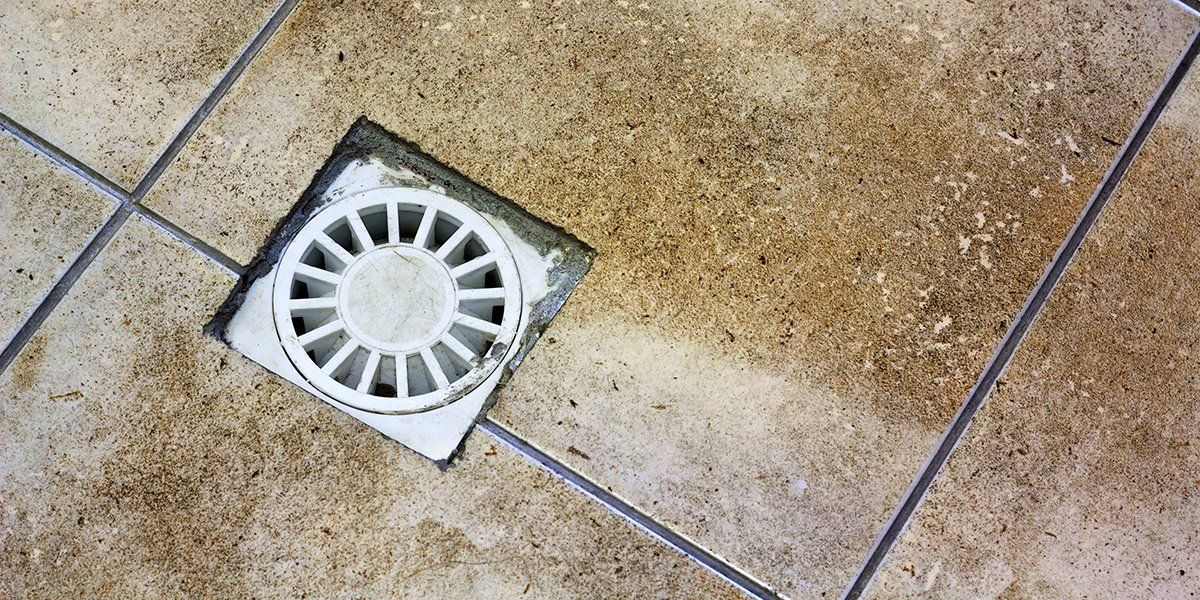
A basement drain backing up in winter is never fun and can create various issues for homeowners. Your basement floor drain connects to your main water line. Clogged sewer lines usually trigger your basement drain to back up.
This issue often occurs during the summer when massive rainfalls or similar events trigger flooding. However, this issue can happen during winter, too, due to melting snow or broken-down water heaters.
This guide will explore what to do should this problem happen. For the best results, you can explore drain cleaning services by King's Services.
What Are the Main Causes of Sewer Lines Backing Up?
Before exploring what to do for your basement drain backing up in winter, let's first explore sewer backup main causes:
- Broken or damaged pipes
- Leaks in drain lines
- Obstructed sewage vents
- Blockages from tree roots
- A frozen septic system
- A build-up of substances like grease
- Clogged toilets that won't flush
- Structural defects due to poor plumbing
- An improperly installed sewage line
Common Signs You Have a Clogged Sewer Drain or Line
Diagnosing the actual reason your basement drain is backing up in winter may require an inspection from a professional. However, there are some common signs you can look for that'll indicate you have a problem:
- Your showers, sinks, tubs, and laundry lines drain very slowly
- You hear odd gurgling sounds when flushing your toilets or draining water lines
- You keep smelling unexplained odours, especially from your drains
How Can You Fix a Backing Up Basement Floor Drain
When sewage water has no place to go, it'll seek the lowest point in your home — the basement. One solution can be to add water to your drain and its trap to see if this resolves the issue. If you don't have a trap, you may need to add one.
Unfortunately, if this solution doesn't resolve the problem, then the only real solution is to call a professional plumbing team. While you may need to spend money on repairs, you can avoid significant health risks.
Water damage from a flooded basement is only the beginning. Your basement backing up may contain harmful substances like fecal matter and other waste. Besides being smelly and uncomfortable, wastewater can cause severe health problems if ingested.
A flooded basement can also lead to mold growth. Mold spores can make breathing difficult and, in severe cases, lead to death.
How Can You Prevent Basement Floor Drain Backups During Winter
A basement drain backing up in winter is a scary thought, mainly because most homeowners don't have the tools or knowledge to deal with one. However, there are plenty of preventative measures you can take to avoid this issue in the first place:
- Always correctly get rid of grease in a trash receptacle instead of the drain.
- Never put items like bones or coffee beans in your garbage disposal.
- Never flush items like tampons, baby wipes, or sanitary napkins down your toilets.
- Prevent your sewer vent from freezing over by adding additional insulation.
- Keep your sewer vents free from blockages. In winter, these blockages typically involve snow or ice build-ups.
- Periodically test your sump pump's effectiveness.
- Maintain your basement drains as well as other drains in your home. You can have a plumbing team regularly maintain your drains for the best results.
- Work with a professional plumbing team to winterize your home and drains.
During winter, you may also have more friends and family visit your home. Be sure to inform them of these best practices, especially if they'll be spending the night and if they have young children.
What Should I Do If I Have a Drain Clog?
A clogged drain can quickly escalate, but you can take the following measures:
- Instead of Drano, mix half a cup of distilled vinegar and half a cup of baking soda.
- Pour this solution down your drain and wait 30 minutes.
- After 30 minutes, take a plunger, create a seal, and try plunging your drain.
- Next, run warm water down your drain for a few minutes.
- Plunge your drain again until the clog disappears. If the clog doesn't disappear after a few times, you should call a professional plumber.
Winterize Your Basement Floor Drain
King's Services proudly assists Headingley, Winnipeg, and its surrounding areas. We bring over 35 years of experience and can help resolve a basement drain backing up in winter. We can also winterize your home to prevent this issue from happening.
A sump pump working but not draining may also require help from our crew. Call us today at
431-631-0817 to schedule a plumbing service!