

Can You Have a Septic Tank Without a Leach Field
King's Services
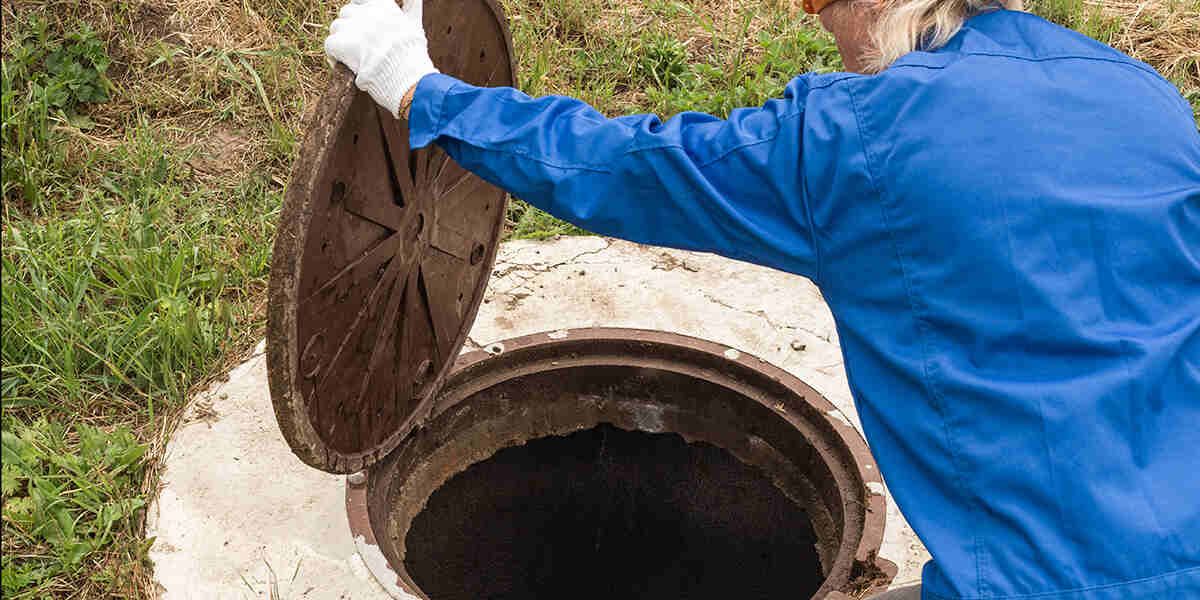
Do you live outside the range of your city's sewer system and are considering a septic system? If you're looking into various options, you might wonder, "Can you have a septic tank without a leach field?".
As a provider of reliable septic tank services, King's Services is passionate about keeping your home comfortable and waste-free. Keep reading to discover everything you should know about leach fields and septic systems.
The Purpose of a Leach Field
Also known as a drainfield, the leach field is where your septic tank directs the expelled water. It consists of a series of buried pipes that force the water into the soil.
After the wastewater in your home enters the septic tank, bacteria separate the solid sludge and the wastewater. While the sludge slowly builds up (and requires you to pump out the tank every three to five years), the wastewater then goes into the leach field, draining over time.
Because of the health risks of wastewater, an isolated leach field offers an effective and safe way of disposing of the waste. However, some homes can't accommodate a leach field, in which case you might still consider a septic system (under certain conditions) that uses an alternative system for drainage.
When You Can Avoid the Leach Field
Can you have a septic tank without a leach field? Sometimes, you can have a septic system without a leach field. However, without an alternative draining method, you'll need to pump your tank more frequently (once a year, most likely) and pay higher utility bills without an efficient way to drain the wastewater.
The following situations prevent you from having a leach field, so talk with a plumber about whether you should use a septic system or an alternative.
Failed Percolation Test
A percolation test measures how much water the surrounding soil can absorb and retain. If the potential leach field doesn't have the right type or concentration of soil to manage the wastewater, it can cause flooding and other severe issues. Therefore, you can't install a traditional septic system after a failed percolation test.
Older Systems
If your property is at least a century old, it could have an undocumented septic tank or a tank that doesn't use a leach field. Before the drainage field, septic systems would release the water into nearby waterways, leading to considerable pollution and contamination.
If you purchase an old property like this, your city might require you to bring the system up to code or install an alternative.
Lack of Space
Building codes require a certain distance between the leach field and your property, and between the field and nearby waterways. If you own a smaller lot, you might not have the room required for your leach field. In this case, your best solution lies in installing an alternative system.
Shallow Water Table
Plumbers must install your leach field at a certain depth to avoid damage from roots and foot traffic. However, it can't reach a depth that allows the sewage to seep into the groundwater.
If your property has a shallow water table, which means water under the surface isn't at its usual depth, you can't install a leach field without compromising the purity of the groundwater. You'll need an alternative system.
Pollution Complications
If you have sources of nearby water that help maintain a delicate ecosystem, local codes might prevent you from building a leach field. Polluted water harms both the environment and any people who use it for water within their home, so if a contractor can't clearly determine if the leach field won't contaminate the water, they'll suggest you use an alternative system.
Septic System Alternatives
If you can't build a leach field, consider these alternative septic systems, which can save you money on utility bills and protect the surrounding environment from contamination:
- Mound: These systems work best for areas with shallow water tables or with dense soil that's failed a percolation test. The contractor installs them above ground, and it includes a pump chamber, which separates the scum and sludge before the rest of the sewage empties into the septic tank. It's called a mound system because they cover the pump chamber with topsoil, creating a small hump on your property.
- Aerobic treatment: These systems are a good option if space is a problem and you cannot build a leach field. The system draws air into your septic tank, which helps natural bacteria clean it and eliminates the risk to surrounding water sources.
- Drip distribution: Like a traditional system, drip distribution relies on a network of underwater pipes to dispose of the water, but they sit closer to the surface, making it a better fit for areas with a shallow water table.
- Sand filtration: A sand filter system works best when contamination of the surrounding environment is the primary concern. In this system, the wastewater recirculates through a sand filter to remove the contaminants and eliminate the risk to nearby water. The filtered water is released into the soil below the tank.
- Evapotranspiration: Evapotranspiration systems work best for homeowners who have adequate space but worry about contamination of the surrounding water or where the soil has failed the percolation test. While it still requires a drain field, the contractors line the base with a thick, waterproof material that prevents the wastewater from draining into the soil. Instead, the system lets the wastewater evaporate.
King's Services Provides Reliable Septic Tank Services
Can you have a septic tank without a leach field? In some cases, it's possible, but you'll appreciate the lower utility bills that come with pairing your septic tank with an alternative drainage system. King's Services can help you install a new septic system or maintain the one you already have.
Whether you have a full septic tank or issues with your indoor plumbing, we manage your waste with prompt expertise and friendly service. Call 431-244-4966 today to learn what we can do for you.