

How Long Does a Septic Inspection Take?
King's Services
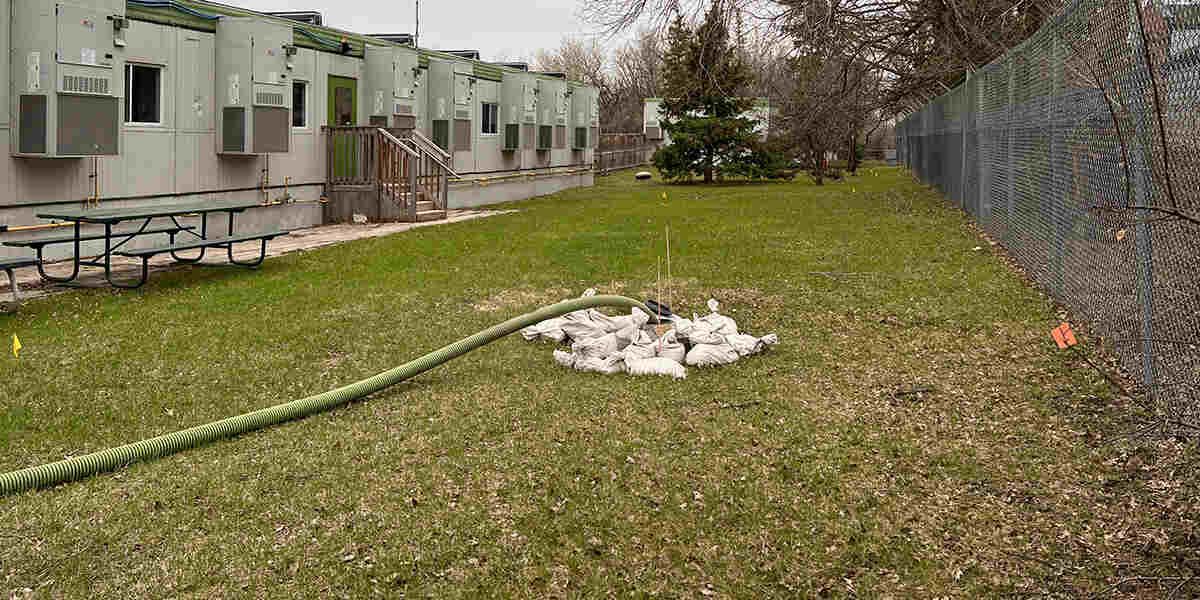
Your septic system is essential for the successful running of your home, often going unnoticed until something is amiss. Keeping it in top shape involves scheduling routine pumping and inspections. Although you may recognize the importance of these services, you might wonder, "How long does a septic inspection take?"
That's why we're here to explain how septic inspections work, how long they take, and how often you need them to ensure it's in optimal shape.
King's Services provides Manitoba's septic system inspection services for a fair price. After learning more about septic systems and inspections, don't hesitate to reach out to our business serving Headingley, GB, and the surrounding communities.
What Does a Septic Tank and System Do?
After understanding how your septic system works, you can take the appropriate steps to maintain it. Your septic system treats your home's wastewater supply, and the tank separates and stores various solids and liquids. All aspects of your septic system — the tank, pipes, soil, and more — must stay in top condition to avoid major backups, flooding, and other issues.
Hiring a professional for services is essential, as no one except a trained professional should get inside to work on a septic system. Many contaminants, germs, and gasses reside in a septic system, so always call an expert. They can safely and carefully inspect and clean your septic.
How Often Should You Schedule a Septic Tank Inspection?
Generally, you should book a septic tank inspection every three to five years. Consider scheduling these services more often if your property and system is larger. It's also a good idea to book a thorough cleaning every three to five years to prevent flooding and major wastewater build-up.
You'll also need to maintain your septic system if you're considering selling your property. Having your septic tank pumped for the new owners of your home gives them better insight into its condition and sets them off on the right foot.
What to Expect from the Septic Inspection Process
The three main parts of your septic system that professionals inspect are the drainfield, tank, and pipe/dispersal system. The drainfield should not have wet patches, sogginess, or stagnant water. Professionals will ensure everything looks good.
Your septic inspectors will also measure the height of the wastewater and sludge in your tank and its overall condition. They'll recommend whether or not you need pumping any time soon. They also should check the function of various internal components and connections.
Finally, service professionals will examine the dispersal system and exit pipe and look for any potential blockages. Running water can provide a better idea of the water dispersal and pressure of your septic system. Your system is in top shape if each part works properly and without concern.
How Long Does a Septic Inspection Take?
How long septic inspections take depends on several factors, including your system's location, condition, and age. A system that's easy to find and has little to no problems might only need an hour to three hours to complete the job. However, septic inspections can take several hours if your service professional finds major issues with the system or you need pumping or cleaning.
If it's been a while since your last septic service appointment, expect your inspection to take a little longer. It's essential to give technicians enough time to ensure everything is running smoothly. They will also explain what steps you should take to improve your system.
Prices for septic inspections can vary, depending on how detailed the services are and what additional work technicians need to complete. Getting quotes from multiple businesses may help you decide who to hire. Putting off these vital services can cause more problems in the long run.
Septic System Inspections and Pumping
During your inspection appointment, technicians might suggest it's time for pumping. Pumping is the best way to remove excess grime, waste, and liquids that could back up your system. While septic systems can hold a lot of waste, they do require pumping after a while.
A large tanker and heavy-duty vacuum carefully removes the waste through a hose connection. Maintenance professionals sometimes need to break up solid sewage to better get the waste out of the system. The task might require multiple technicians, especially if the system is large.
Pumping can take anywhere from less than an hour to almost all day. You can expect pumping to take several hours if your system is larger than most.
Common Reasons Why Septic Systems Fail Inspections
The more common explanation as to why septic systems fail inspections are due to infrequent or a lack of maintenance. Septic systems require essential upkeep from time to time to properly do their job. Improper installation, tank construction, and soil problems can all cause septic issues.
You can increase your chances of passing inspection by booking routine cleaning and pumping services every few years. Avoid using too much water or harsh chemicals in the system and don't throw anything in that will disrupt or damage the septic. Remember to maintain your plumbing.
Our Septic Services
The skilled septic professionals at King's Services can verify that your system and tank are in optimal shape. We offer cleanings, installation, sales, and more. We have everything you need to enjoy a functional and safe septic system in and around Headingley, Winnipeg, and the surrounding areas.
Trying to clean or fix your septic system is dangerous and unnecessary, especially when our team of experts is here to help. We're happy to offer our advice and assist in any way we can.
Contact King's Services for Professional Septic Services
King's Services works on all types of septic systems and offers high-quality services, including tank installation, pump alarms, cleanings, and more. Now that we've answered, "How long does a septic inspection take?" schedule your routine septic system inspection appointment with our team.
Call King's Services today at (431) 813-5843 to book a service appointment in Headingley or the nearby areas.