
What Are the Types of Septic Systems, and Which One Is Right for My Home?
King's Services
When it comes to repairing or replacing your home’s septic system, you want a professional who has years of experience and is committed to customer service. Septic tank cleaning and pumping in Winnipeg by King’s Services are always thorough and long-lasting to keep your septic system functioning properly.
Our team at King’s Services is ready and willing to answer any questions you have regarding your septic system. We will provide you with top-quality services and give professional advice about which type of septic system is best for your home. In addition, we recommend that customers do their research to feel comfortable and confident in making a sound decision about what septic system to choose.
Read on to discover everything you need to know about your home’s septic system’s types, benefits, and importance.
Types of Septic Systems
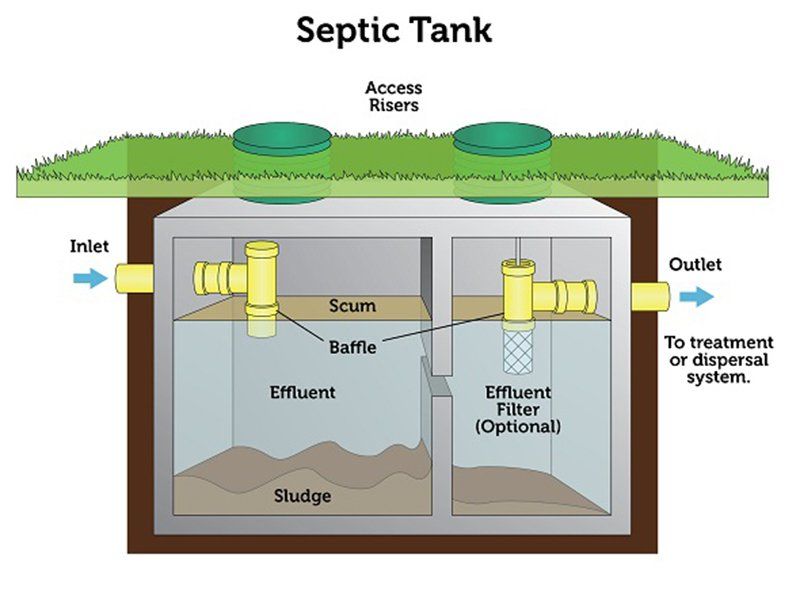
A septic system is a wastewater treatment system that functions underground. A typical septic system consists of a tank and what is referred to as a drain or a leach field. The tank of your septic system is where your wastewater is stored and treated, while the drain or leach field is where the wastewater is then filtered out into the earth. This kind of septic system is also known as a conventional system because it’s so commonplace.
There are, however, more uncommon types of septic systems like an aerobic treatment unit or an ATU. Determining the best system for your needs depends on multiple factors. An ATU septic system could include pre- and final treatment tanks to help to disinfect and reduce wastewater pathogens even further.
Some systems include a pump chamber, which serves as a way for the treatment tank to push wastewater into a mound in smaller amounts. This type of septic system is known as a mound system and is most often used when a home sits on a large piece of land and has ample space and time for system maintenance.
Types of Septic Systems
- Aerobic Treatment Unit (ATU)
- Pit and Pipe Septic System
- Anaerobic Septic System
- Pump Chamber Septic System
- Community or Cluster Septic System
- Constructed Wetland Septic System
- Conventional Septic System
- Drain Field and Piping Septic System
- Drip Distribution Septic System
- Evapotranspiration Septic System
- Low-Pressure Septic System
- Mound Septic System
- Pond Septic System
- Gravity Septic System
- Recirculating Sand Filter Septic System
- Septic Tank and Leach Field System
All of the septic system types mentioned above have pros and cons. The conventional septic system is most popular because it’s typically the most inexpensive option to install and maintain. It is large enough to handle an adequate volume of wastewater, requiring it to be drained less frequently. But, a conventional septic system will not be the best option for every home.
The conventional septic system falls short because it’s not as efficient as some other septic system options. A septic system like an aerobic treatment unit (ATU) system is best used for smaller homes on smaller property lots because it requires less above-ground space.
An aerobic treatment unit septic system functions similarly to a municipal sewage system in that it pumps oxygen into the septic system’s treatment tank to reduce pathogen levels. The ATU system also uses a contained wastewater effluent underground and an air pump to generate oxygen to the wastewater treatment tank.
The amount of land your home sits on, the type of land you live on, and your proximity to a water source can all be varying factors in which a septic system would be best for you.
To help determine which septic system is best for you, call on the professionals at King’s Services at (204) 815-5877.
The Importance of a Functioning Septic System
An efficiently functioning septic system is a vital aspect of any home. Your septic system treats and disposes of your home’s wastewater. This wastewater comes from your home’s plumbing appliances like your shower, sink, washing machine, and, of course, your toilet. Keeping this wastewater treated and away from your home will help you and your family avoid damage to your home and potential exposure to bacteria or harmful pollutants.
Regardless of the type of system, septic systems have an average lifespan of 20 to 40 years. So, if your home is older than 40 years, it could be time to replace or repair your septic system. This average varies on the type and maintenance of your septic system.
Your septic system is like the filtration system for the plumbing in your home. Your drinking water, showering water, and toilet water all need to be disposed of and treated to keep your family healthy and wastewater out of your home. Maintain a properly functioning septic system with the following tips:
Tips to Maintain Your Septic System
- Schedule or perform regular inspections to ensure your septic system is free of leaks or damage.
- Call on your Winnipeg septic system professionals every three to five years to pump out your septic system to avoid any build-up.
- Do not dump any chemicals, cleaners, oils, or other harmful fluids down your drains to avoid harming the septic system and decreasing its lifespan.
Septic System Services from King’s Services
The septic system that is best suited for your home will depend on various factors. You can rest assured that our team of professionals at King’s Services will thoroughly determine which type of septic system will be the most efficient and longest-lasting for you.
King’s Services has been proudly serving the Manitoba community since 1985, and we take pride in our unmatched customer service. We provide our customers with quality plumbing services that they can trust. The King’s Services team is available 24 hours a day to help you anytime you require our services. For more septic system services like
sizing septic tanks in your home, call us today and let us put our years of expertise to work!