

Is Your Water Heater Rattling? What You Need to Do
King's Services
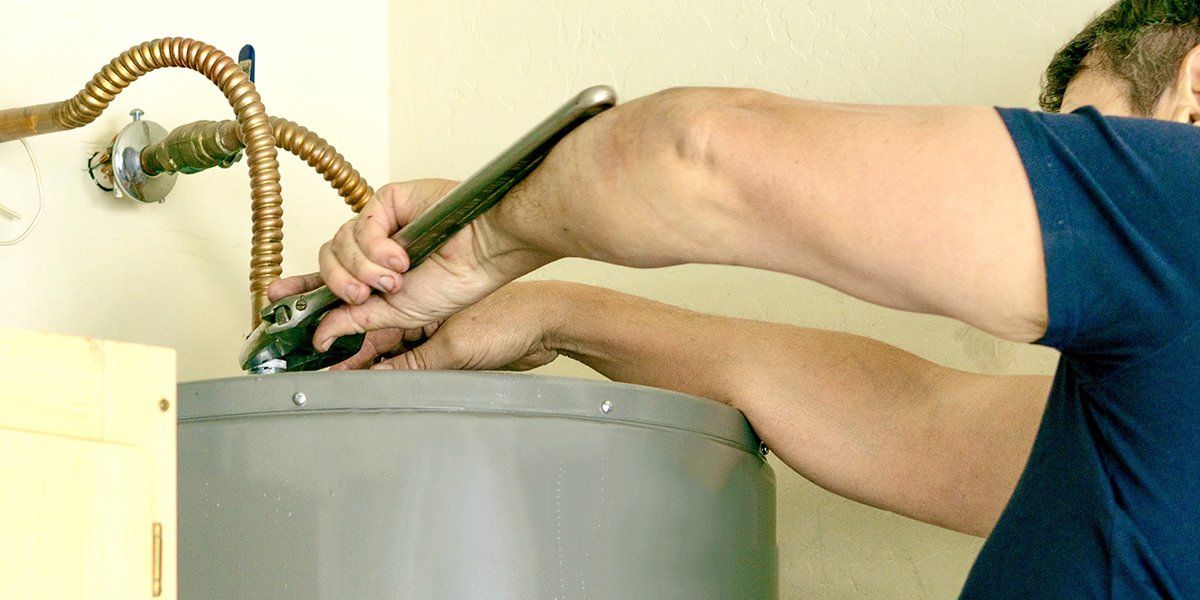
Do you have problems with your water heater rattling? These noises are often a normal part of the operation of water heaters, but sometimes they may indicate a need for repairs. Go over common causes of noises in water heaters with our team.
King’s Services’ water heater services in Winnipeg can handle repairs for your water heater if necessary. Find out more or set up an appointment by calling us at 204-815-5878.
Common Causes for Ticking or Rattling From a Water Heater
Water heaters may rattle or tick for several common reasons. In many situations, we find that these noises occur due to:
Changes in Water Pressure
Is your water heater making noise? Quite likely, it could just be normal changes in pressure inside the machine. You may adjust the pressure-reducing valve on your water heater to reduce the likelihood of hearing this noise.
If the noise continues to bother you and water heater repair professionals tell you the pressure changes are normal, consider adding insulation or straps to the water heater. These straps can help dampen the noise, eliminating the ticking sound.
Heat Trap Nipples
Some electric water heaters come with heat trap nipples to boost their efficiency. These nipples help your system function better, but they make a rattling or clicking sound. If it bothers you, consider replacing them with non-heat trap nipples.
Loose Pipe Straps
Pipe straps hold the pipes around your water heater in place. Over time, they may loosen due to small vibrations in the system. As they loosen, the lines move more, often resulting in chittering or rattling sounds.
You may work with a professional plumber to tighten these straps. You may also want to lower the heat a few degrees. Bringing the heat down means your pipes expand and contract less, often getting rid of rattling or ticking sounds.
Steps to Take if Your Water Heater Rattles
You don’t have to worry about your water heater rattling in many cases. However, you may want to have a plumbing professional assess the heater to ensure it’s functioning correctly and that the pressure changes remain in an acceptable range.
A plumber can provide you with straightforward information about the causes of the rattle. They may also conduct repairs — like replacing a heat trap nipple — to help quiet down your water heater.
Other Noises Made by Water Heaters in Winnipeg
Rattling water heaters usually do not pose serious problems for property owners. However, your water heater may begin making other sounds that represent a more significant cause for concern. Consider reaching out to a plumber if your water heater begins:
Banging or Rumbling
Does your water heater bang or rumble? Generally, we hear these sounds due to sediment buildup in your water heater tank. Crews address this problem by draining water heater tanks and flushing them to remove the sediment, usually performing the service once or twice a year.
However, banging may also result from a “water hammer” effect. Water hammers occur when water floods back into your pipes after the water supply turns off. Water hammer effects can burst a pipe in your home if left unaddressed.
Plumbing professionals generally adjust the pressure in the system or add a pressure-reducing valve to address problems caused by a water hammer event.
Whistling or Screeching
Generally, when you get a loose valve that allows air to escape your water heater tank, it causes screeching or whistling sounds. Once you report these noises to a plumber, they’ll likely check your:
- Pressure-releasing valves
- Temperature valves
- Inlet-outlet valves
In many cases, technicians adjust these valves to make sure they meet the system’s specifications. Taking this step often stops the screeching or whistling sounds.
Hissing, Sizzling, or Crackling
Generally, property owners hear crackling or hissing sounds if they have an electric water heater. However, sometimes we hear them in gas water heaters, too. They may occur if something blocks the heating element in the water heater.
Moisture buildup in a gas water heater may also lead to hissing or crackling sounds. A plumber may address any of these issues, removing the noise and improving the functionality of your water heater.
Note that allowing the sediment to remain in the tank causes more than annoying noises. Over time, the sediment buries your heating elements, making it more difficult for the heater to warm up your water to the appropriate temperature and raising your energy expenses.
Popping
Popping sounds usually occur when you have sediment buildup in the tank of your water heater. Magnesium and calcium may build up over time, especially with alkaline water. Flushing the tank may help with this issue.
If sediment builds up in your tank quickly, you may want to consider adding a water purification system to your plumbing lines. These purification systems remove contaminants, stopping them before they reach your tank and begin to build up.
You may also hear a popping noise if you have an aluminum anode rod in your tank. These rods sometimes react strongly with alkaline water, causing popping noises. You can fix this issue by contacting a plumber and having them replace it with an anode rod made of magnesium.
Humming
Do you hear your water heater humming regularly? The humming may be caused by water flowing over elements in the water heater’s tank, resulting in vibrations that generate a humming sound.
Generally, professional plumbers address this issue by tightening up the element. Taking this step makes the element stop vibrating, making the operation of your water heater quieter.
Speak to Us If Your Water Heater Rattles
Is your water heater rattling? If so, you may have loose pipe straps or issues with some valves. Knowing if your water heater is broken can allow you to contact our team at King’s Services to get help from plumbing experts.
You can reach out to us today to talk about the sounds you hear and review possible causes. Find out more by calling
204-815-5878.