

5 Reasons Why Your Water Heater Thermostat Keeps Tripping
King's Services
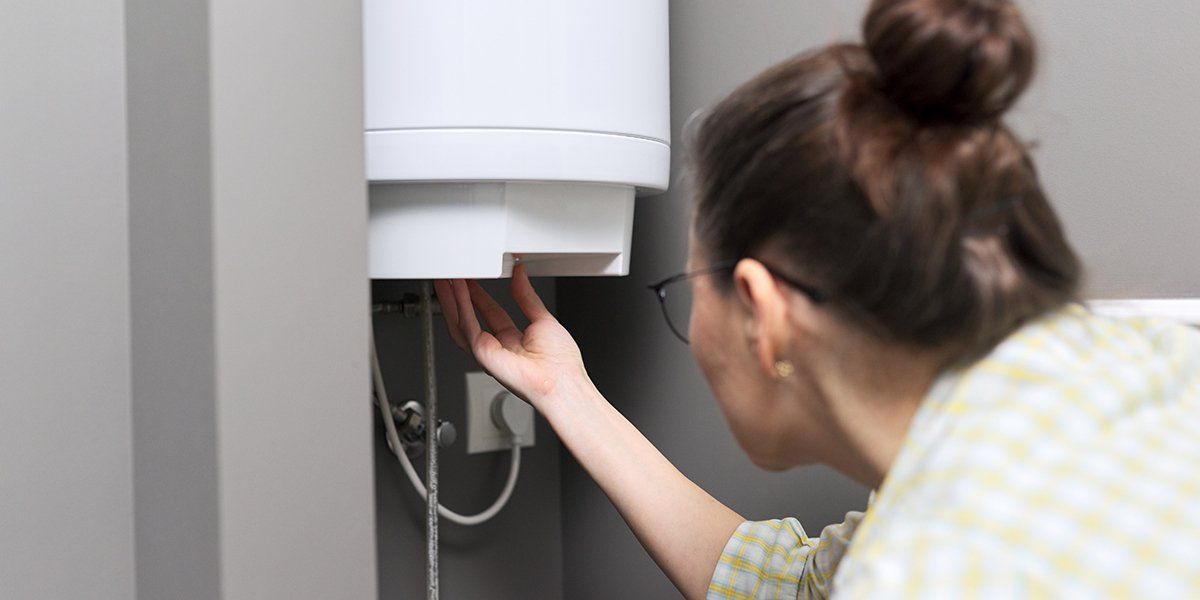
Has your electric water heater lost power, and you keep having to hit the reset button? Many homeowners face this issue and jump to conclusions, thinking they have to buy a whole new unit. But this might not be the best solution. If your water heater thermostat keeps tripping, call the experts at King’s Services to fix it.
We provide Manitoba residents with top-quality solutions for plumbing and water heaters. Need help with your electric water heater thermostat? Ask our experienced contractors about water heater services by King’s Services.
Reset Buttons, Circuit Breakers, and Underlying Problems
The reset button on your water heater turns the system on and off to regulate the water temperature. If the reset button activates constantly, it’s time to look for a root cause. Your unit might be tripping a couple of different things:
- Reset Button. This safety feature sits just above the thermostat and keeps the water from getting hotter than 180 degrees Fahrenheit.
- Circuit Breaker. In the main electrical panel of your home, you’ll find a circuit breaker for your water heater. This safety device will trip if your unit takes more electrical current than its breaker can handle.
Common Reasons Why Your Water Heating Unit Keeps Tripping
You might be wondering, “Why is my circuit breaker or reset button tripping?” In this article, we discuss five common reasons why this happens, along with their recommended solutions:
- Faulty thermostats
- Bad heating elements
- Defective reset buttons
- Loose wiring
- Broken circuit breakers
Reason #1: Faulty Thermostats
Each electric water heater has two thermostats: an upper and a lower thermostat. One controls the upper heating element, and the other manages the lower heating element. These thermostats communicate with each other to ensure only one heating element stays on at a time.
The thermostats enable you to set the water temperature. When the temperature reaches your desired level, the thermostat signals the tank to turn off the heating element. Water heater thermostats tell the unit it’s OK to keep running until the water temperature reaches a certain point.
If you have a bad thermostat, it may give your unit the green light when it’s supposed to turn off. This means the upper or lower heating elements will keep running, building heat in the storage tank until it reaches 180 degrees Fahrenheit. At that point, this malfunction will trip the reset button.
The solution: Fixing a faulty thermostat is a relatively simple, affordable process. Professional plumbers can quickly identify the defective thermostat and replace it, getting your tank back to normal working condition.
Reason #2: Bad Heating Elements
The upper and lower heating elements are responsible for heating your water. But these elements may short-circuit, stop heating properly, and eventually trip your water heater thermostat. A short creates a power surge and can trip the circuit breaker. Shorts typically result from cracks in the heating element's metal casing, exposing live wires to water.
A bad heating element doesn’t respond appropriately when the thermostat tells it to power off. It’ll continue to heat the water inside the tank up until 180 degrees Fahrenheit. Once the water temperature reaches this point, it trips the reset button to keep hot water from increasing to a dangerous level.
If you notice your water is consistently less hot than it should be, it’s a good sign you have a faulty heating element. Over time, your water temperature won’t increase to the level it used to.
The solution: Bad heating elements may involve short-circuits and a potentially hazardous electrical issue. Don’t try to fix it yourself—get a professional to replace your heating element.
Reason #3: Defective Reset Buttons
Over time, a water heater reset button can grow old and worn out. This means it won’t accurately read the water temperature or switch the unit off at the appropriate time. A defective reset button might cut the system’s power regardless of the temperature, leaving your water lukewarm or even cold instead of hot.
Faulty thermostats and broken heating elements can cause the water heater thermostat to trip. But so can old, worn-out reset buttons. If your reset button frequently trips, the switch itself could be the culprit.
The solution: Your water heater’s reset button connects to the upper thermostat. If you have a defective reset button, you’ll probably have to replace the whole upper thermostat with the help of professional plumbing services.
Reason #4: Bad Wiring
If your water heater thermostat keeps tripping, it could be an electrical issue. A loose wire can generate excess heat inside your unit and trip the reset button. Although this is a safety hazard, electric water heaters come equipped with state-of-the-art technology to protect you and your system.
Improper wiring connections could also be the problem. Aluminum wiring runs from the electrical panel to your water heater, connecting to copper wiring. If this connection isn’t secure, it could lead to electrical arcing and short-circuiting.
The solution: If you think the issue might be faulty wiring, have an experienced electrician inspect it.
Reason #5: Defective Circuit Breakers
Circuit breakers last a long time, but not forever. Your water heater thermostat could be tripping due to an old breaker that no longer works right. If that’s the case, it could be acting up randomly.
Breakers might fail for several reasons, including:
- Corrosion
- Constant tripping
- Old age
The solution: If your water heater has no identifiable problems, have a well-trained electrician check the circuit breaker.
Get Professional Water Heater Services in Manitoba
Your water heater could be tripping for any number of reasons. From faulty wiring to defective heating elements and worn-out circuit breakers to bad thermostats, it can be tough to identify the underlying cause. With professional assistance from plumbers and electricians, you can ensure the job goes right.
If your water heater thermostat keeps tripping, contact our team of top-quality professionals at King’s Services. We’re happy to help you know more about hot water tank cleaning and get your water heater working right again. Call us today at
(204) 815-5878!