


How To Keep Your Hot Water Tank Running At Peak Efficiency
King's Services
This is a subtitle for your new post

The body content of your post goes here. To edit this text, click on it and delete this default text and start typing your own or paste your own from a different source.
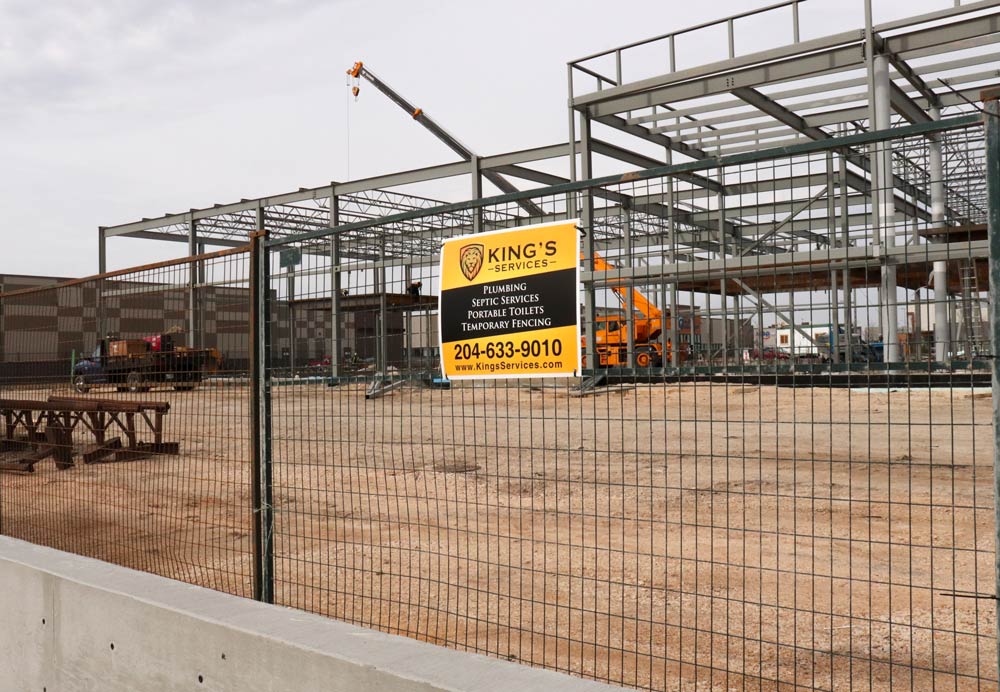
Need temporary fencing in Winnipeg? Specify your total linear footage, select your panel type, and request a free quote for delivery and setup. Read this!
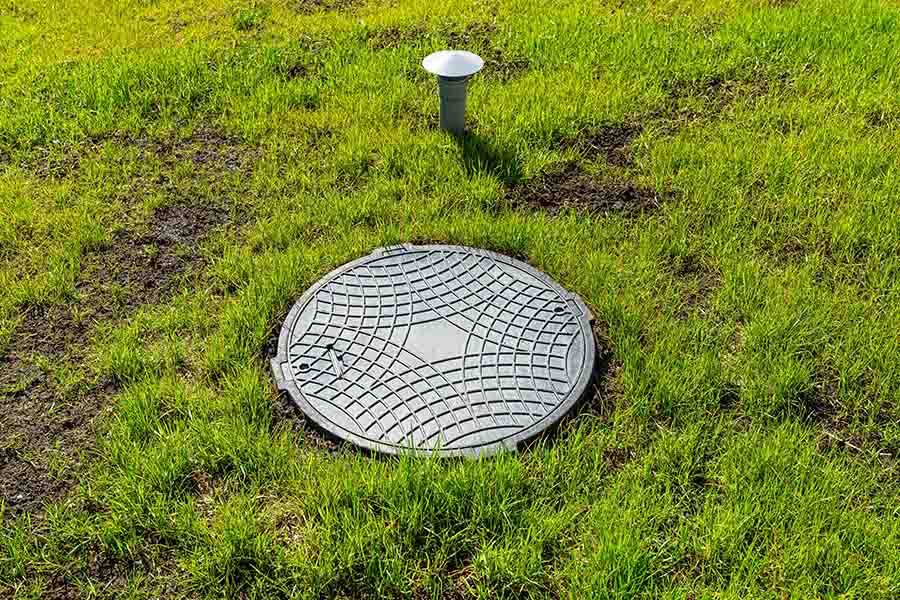
Don't wait for warning signs - proactive maintenance is the key to a long-lasting septic system. Read this from King’s Services!
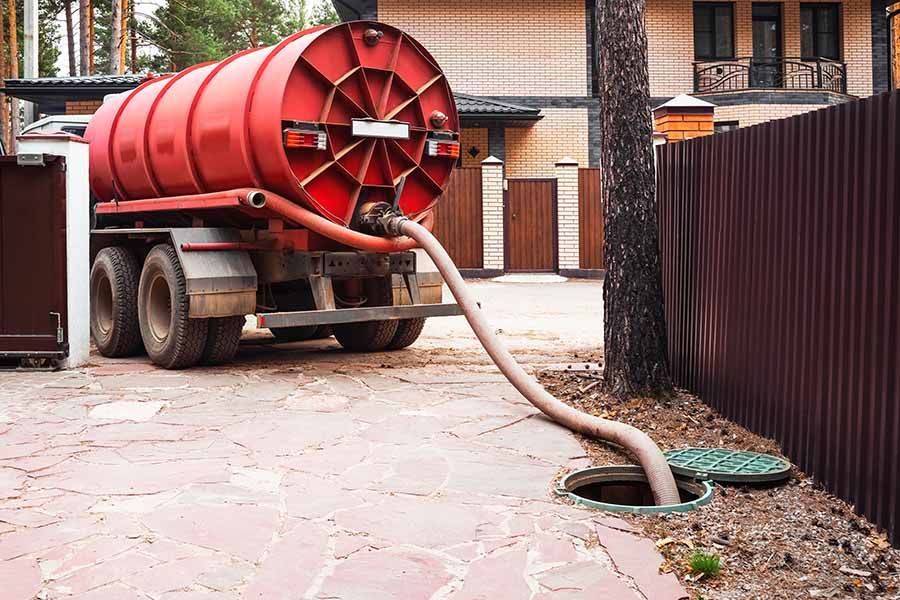
Catching a problem early can mean the difference between a simple pump-out and a $20,000 septic system replacement. Read this from King’s Services!
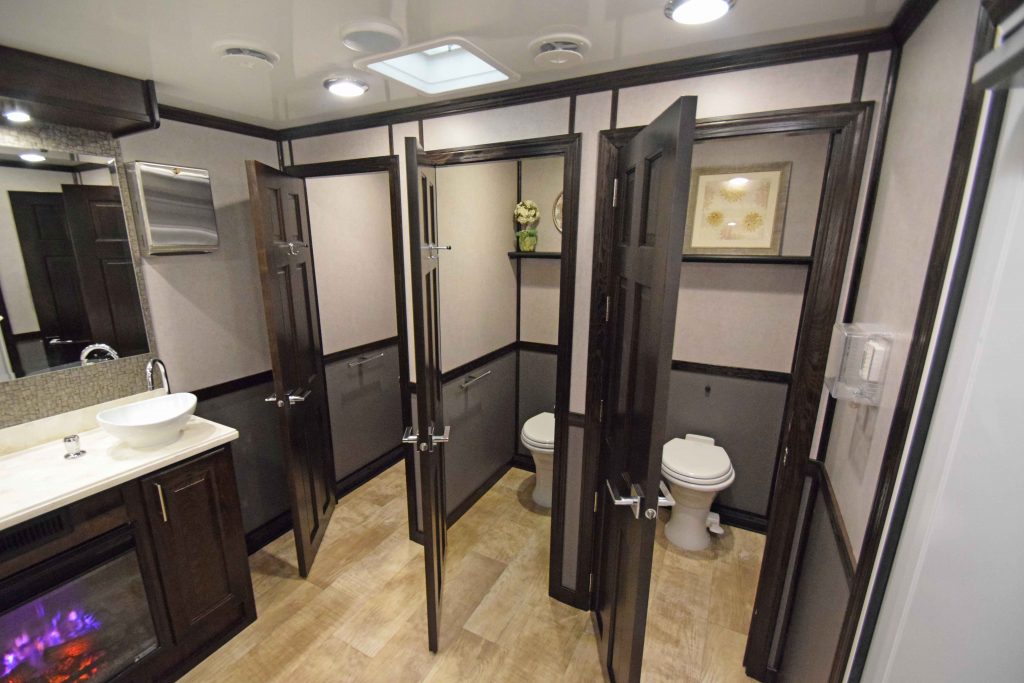
Planning an outdoor wedding in Winnipeg? Explore luxury portable toilet trailers with climate control, running water & porcelain fixtures.

King’s Service, a Winnipeg septic service company, attended the WWETT Show in Indianapolis from February 16 to February 19, 2026. Learn more here.
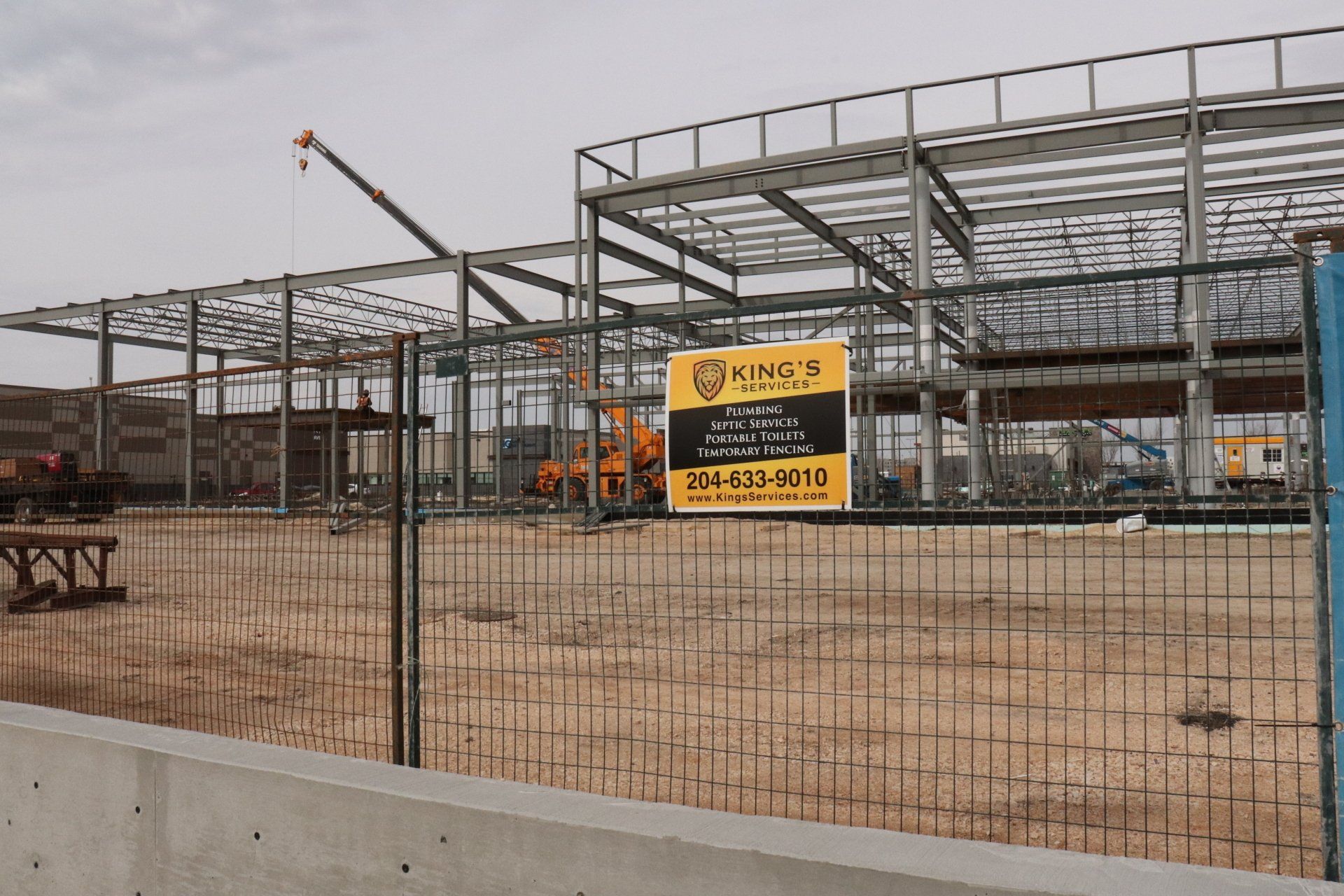
Construction sites in Winnipeg face unique challenges - from harsh weather conditions to strict municipal bylaws and the rising risk of site theft. Whether you are managing a large-scale commercial development in downtown Winnipeg or a residential renovation in Tuxedo, securing your perimeter isn't just a recommendation; it is an operational necessity. In this guide, we break down exactly why temporary fencing is critical for your bottom line and safety record, and how to choose the right solution for your project. What Is Temporary Fencing, And How It Works Temporary fencing, often referred to in the industry as "rent-a-fence" provides a non-permanent, self-supporting perimeter for job sites. Unlike permanent fencing, which requires post holes and concrete footing, often impossible in frozen Manitoba ground, temporary fencing utilizes a modular panel system held together by heavy-duty bases (feet) and clamps. The mechanics of a secure perimeter: Modularity: Panels can be moved and reconfigured as the job site evolves. Stability: High-visibility bases keep the fence upright, while additional wind bracing ensures stability during high-wind events common in the Prairies. Versatility: It serves as a physical barrier, a visual screen, and a liability shield.