

7 Most Common Plumbing Questions by Homeowners
King's Services
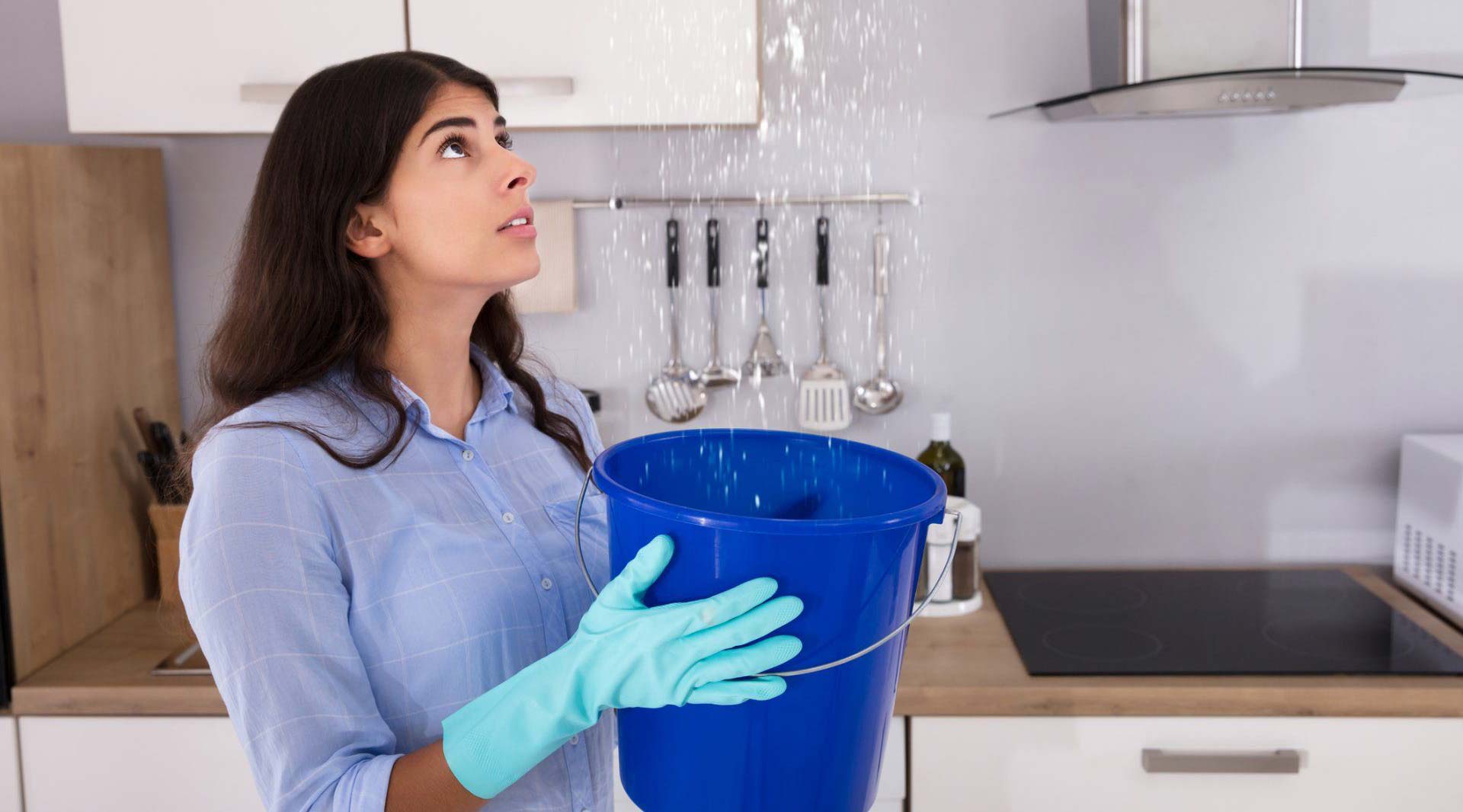
You use the plumbing system in your house each time you shower, wash the dishes, or use the bathroom. Yet, despite its importance in the home, plumbing remains a mystery to many homeowners. Get a better understanding of the system by reviewing the answers to the most common plumbing questions.
Our team at King’s Services provides answers to additional questions for property owners in Winnipeg and surrounding areas. Learn more about plumbing maintenance, service, and common problems by calling us at 204-815-5886.
#1: Why Does the Toilet Run All the Time?
Does your toilet run constantly? Are you frustrated by the constant noise of gurgling water that continues for long after you flush? Several plumbing issues contribute to this problem.
Your toilet may constantly run due to problems with the following:
- Flapper
- Fill-valve
- Fill tube assembly
You can address this issue by contacting a plumber to replace the flapper or fill valve. These pieces usually wear out after a few years of heavy usage. A plumber can also look at your fill tube assembly and repair problems with the device.
#2: Why Does the Toilet Produce a Sewer Odor?
Plumbing systems should not fill your home with the smell of sewage. We generally see this issue in properties with improperly installed plumbing. Sewer smells also become an issue if the drains in your house dry out.
Drains sometimes dry out if you don’t use them regularly. Running water through drains you infrequently use—like a sink in the garage, for example—helps prevent this problem. Sewage odors may also come from cracked wax seals or broken vent lines around your toilet.
Contact a plumbing professional for help addressing any of these issues quickly.
#3: Why Did the Hot Water Stop Working?
No one likes running out of hot water in the middle of a shower. Issues with hot water heaters often come from:
- Problems with the heater’s thermostat
- A tripped circuit breaker
- Using too much hot water at once
Tanked hot water heaters sometimes run out of warm water during periods of high demand. Replacing a tanked model with a tankless water heater could help you address this issue. Review your options with a plumbing professional.
#4: What Do You Do With a Leaking Water Heater?
A leaky hot water heater could spill gallons and gallons of water on your floor, leading to property damage. We understand the importance of resolving this problem quickly. The experts recommend:
- Turning off the unit’s water supply
- Shutting down power to the unit
- Opening hot water faucets elsewhere in the house
You only leave the faucets open to relieve pressure on your water heater. Once you reduce the pressure, close the taps again to create a vacuum. The vacuum helps prevent more water from leaking out of the water heater.
Determining how to handle a water heater leak is one of the most common plumbing questions. However, the experts recommend that you get professional help addressing this problem. Attempting to repair a water heater on your own can prove hazardous.
#5: How Do You Find the Main Water Shut-Off Valve?
Sometimes, homeowners need to shut off the water to their property right away. We recommend taking this step if your water pipes burst or if you have another major issue with your plumbing system. However, you have to find the water shut-off valve before using it.
Generally, home builders put the main water shut-off valve:
- On an exterior wall
- In an underground box near an outer wall
- In a crawlspace
- In the basement
We recommend locating your water shut-off valve before an emergency develops. Taking this step helps you feel confident about what to do in the event of a pipe burst.
You can also shut off the hot water to your house by turning off the valve connected to your hot water heater. However, this only turns off the hot water. Cold water continues to move through your plumbing system.
#6: How Do You Fix a Garbage Disposal That Stopped Working?
Garbage disposals stop working for several reasons, so there’s no single answer to this common plumbing question. You can assess the cause of a garbage disposal issue by:
- Turning off the power to the garbage disposal at the circuit breaker
- Looking for signs of rust and apparent damage on the unit
- Using a flashlight to look into the system for an obstruction
You may carefully remove an obstruction—like a fork or spoon—if you have the power to the unit completely turned off. The unit may also stop running if it jams on something you can’t see.
Contact a plumbing professional to handle serious issues with your garbage disposal. Your unit may need a new motor to resume operation. Crews can replace the motor or advise you to replace the entire disposal in some cases.
#7: Why Do You Hear Strange Sounds When You Flush the Toilet?
Your toilet may make several odd noises when you flush, each for a different reason. You may hear:
Banging
Banging from the toilet usually occurs in newer models with fill valves that close quickly. The fast motion of these valves causes a “water hammer.” This hammer causes the banging noise that you hear.
Clattering
Some property owners contact us because they hear a clatter each time they flush. This sound often comes from an issue with the shut-off valve. Washers in the valve grow loose over time and chatter around when you flush.
Squealing
Do you hear a high squeal from your toilet? A slow leak usually causes this noise. The leak causes your water metering valve to turn on all at once to fill up your toilet.
Get Answers to More Plumbing Questions
We’ve covered the answers to some of the most common plumbing questions. Get more answers from plumbing professionals in Winnipeg MB by contacting King’s Services. We provide plumbing service and maintenance appointments to handle strange noises, leaks, issues with the garbage disposal, and more.
Call
204-815-5886 to learn more.