

How To Drain a Hot Water Tank and Why It Needs To Be Done?
King's Services
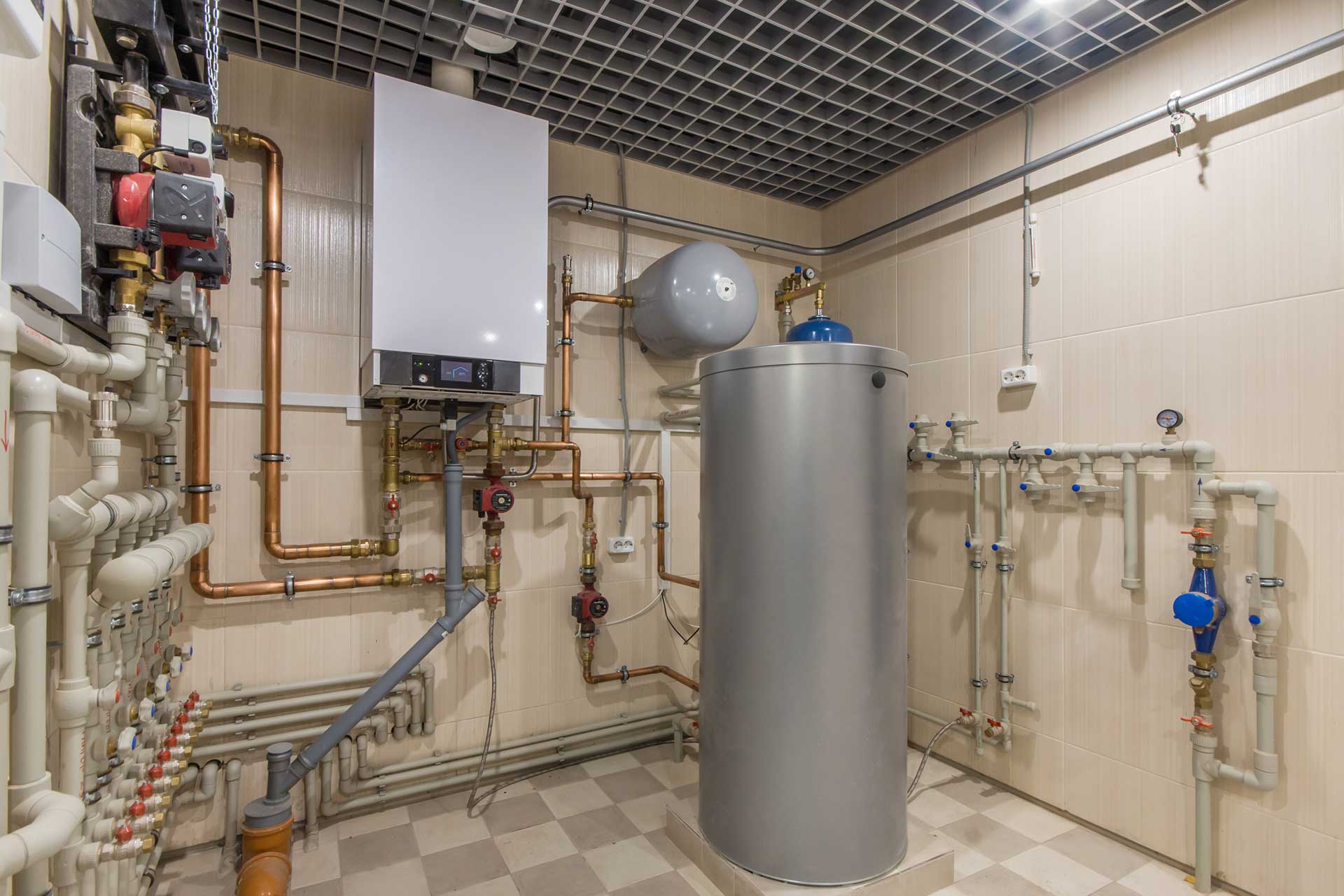
Your hot water tank heats the water you use to shower or run a load of laundry. Regularly draining the tank represents a vital maintenance activity. This step helps you improve the efficiency of your water heater and even increases its lifespan in some cases.
Find out how to drain a hot water tank with the King’s Services team. Learn more about hot water tanks and appropriate maintenance in Winnipeg, Headingley, and nearby areas by calling us at 204-815-5878.
Keep Water Heater Safety in Mind
We recommend that you exercise care when draining a water heater. The system contains extremely hot water that may cause a scald if mishandled. Turn off the water heater a few hours before draining the tank to allow the water to cool down.
If you cannot wait for the water to cool, make sure that you wear safety glasses and thick rubber gloves to provide some protection for your skin.
Homeowners also have the option of contacting professionals for help draining a water heater. Plumbing experts have the tools and training to drain your water heater quickly. They handle the dangerous aspects of the job to keep you safe.
Gather the Supplies
Are you wondering how to drain a hot water tank? First, the professionals gather the appropriate supplies. This process requires a:
- Garden hose
- Bucket
- Flat-head screwdriver
- Adjustable wrench
In some cases, plumbing professionals also need a drain valve and threaded hose cap. However, not all hot water heaters need these supplies. A professional team may ask you for the make and model of your tank before they arrive for service.
Providing information to
plumbing specialists allows them to bring the necessary tools to handle the job.
Quickly Flush the System
The experts attach a garden hose to your water heater’s drain valve to begin the process. The other end of the garden hose goes in the bucket or outside your house. Next, technicians open up the drain valve briefly and close it again.
This step blows sediment out of the valve, allowing it to drain more quickly. In some cases, technicians repeat this step multiple times to clear away a lot of deposits.
Sediment builds up in your hot water tank over time. Expect this phase to take longer if you’ve never emptied your hot water tank before or if it’s been a long time between maintenance appointments. Technicians may only need to open the drain once if you get regular water changes.
Turn Your Hot Water Heater Off
For the sake of safety, turn both electric water heaters and gas water heaters off before continuing to drain the tank. After turning off the power, technicians turn off the water supply. In some cases, technicians turn off the water supply valve at the top of the water heater.
Technicians also have the option of turning off the main water supply. After turning off the water, crews make sure the process works by turning on a hot water faucet and letting it run for a few seconds to see if the water stops.
The experts leave an open tap close to the hot water heater to manage the pressure in the system during the draining process.
Drain the Tank
Finally, technicians drain your tank by opening the drain valve. In many cases, crews open the valve by hand. However, sometimes the valve sticks and requires the use of the flat-head screwdriver.
The water from the tank drains into the bucket or out of your house. The amount of water and sediment from the tank could overwhelm a floor drain, so we recommend you do not allow it just to spill out. Crews turn off the valve each time the bucket fills to empty it.
Flush and Refill the Water Tank
After draining the tank, technicians flush the system by turning on the water and running a few gallons into the tank. Crews let the water drain out and repeat this process until your water runs clear. The goal is to remove all debris and sediment from the system.
Crews close the drain valve and take off the garden hose after getting clear water from the hose. Technicians then:
- Turn on the water that goes to the hot water heater
- Watch the hot water tap they left on
- Turn off the tap once only water comes out of the tap
Your water heater will refill quickly.
Turn the Power Back On
Finally, crews return power to your hot water heater. They may need to relight your pilot light if you have a gas water heater. Generally, they only flip a switch if you have an electric heater. Expect to wait about an hour to have hot water after completing the process.
Reasons to Drain Your Hot Water Tank
Now you know how to drain a hot water tank. So why should you consider this form of water heater maintenance?
The water that moves through your plumbing system contains sediment and minerals like iron and calcium. Over time, this sediment ends up collecting in your hot water tank. Generally, the debris collects on the tank’s bottom.
Sediment build-up makes it harder for your water tank to operate correctly. When impeded by debris blocking pipes, the system has to strain to move water through the lines. The build-up may:
- Cause a hot water heater breakdown
- Shorten the life of your hot water tank
- Allow debris into your water lines, causing clogs
Regularly emptying your hot water tank to remove sediment build-up allows you to prevent these problems.
Get Help Draining a Hot Water Tank
Our King’s Services team knows how to drain a hot water tank. Our hot water tank service experts in Winnipeg always put customers first. We put our years of experience and training to work for you. We also take care of hot water tank installation and replacement.
Set up an appointment for hot water tank maintenance today by calling
204-815-5878.