

8 Reasons for Low Water Pressure in Your House
King's Services
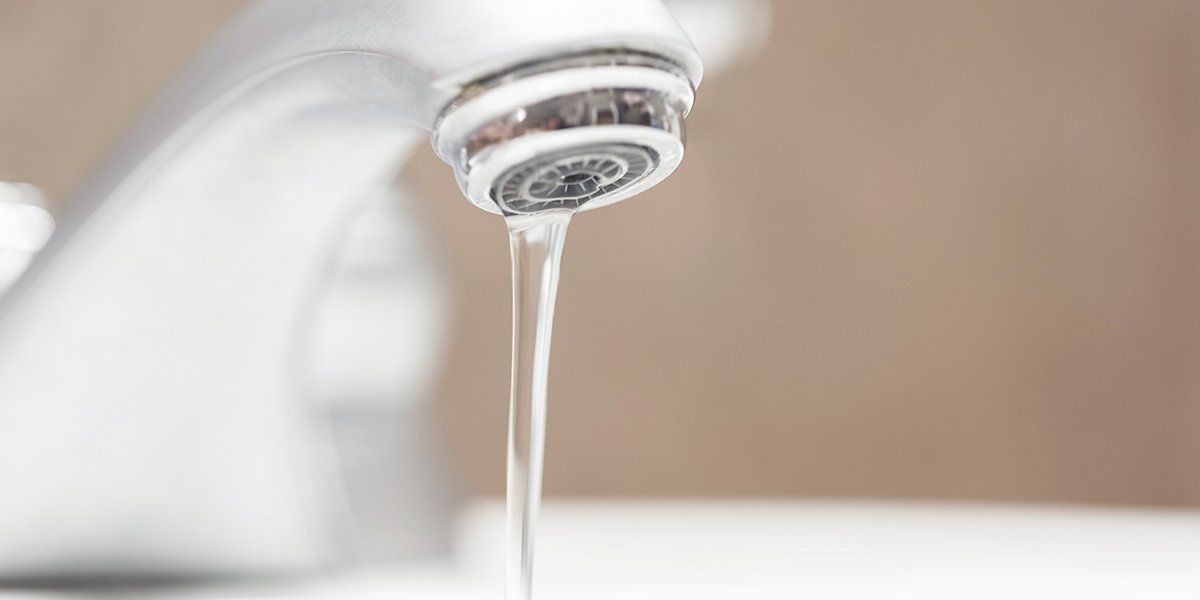
When you turn on a faucet in your home, you expect to see a steady supply of water pouring from the tap. Unfortunately, faucets in a house with low water pressure issues might only produce a trickle of water instead of a stream.
Most homes have an average water pressure of about 40 to 45 PSI or pounds per square inch. So, why does the pressure decrease? The answer could be one or more of several problems and may require an experienced plumber's assistance to fix.
King's Services offers top plumbing services in Winnipeg and the surrounding areas. If your home has a sudden reduction in water pressure, we can quickly get to the root of the problem.
Common Causes for Water Pressure Issues
If the water pressure in your home declines suddenly or over time, it could be due to several issues or changes.
1. Clogged Faucet Aerators
A faucet aerator is a small, round component that screws onto the end of a tap. It is responsible for creating a consistent water stream by mixing it with air to minimize splashes.
The aerator also filters some sediment from the pipes from entering the water flow. However, the component can develop a blockage if debris clogs it, resulting in low water pressure and unpredictable spraying from an open tap. Your low water pressure problem could be due to a clogged faucet aerator if it's limited to a bathroom or kitchen sink.
2. Partial Closed Shutoff Valves
When low water pressure affects hot water more than cool or tepid water, the culprit could be a minor issue with the water heater. Water heaters have shutoff valves to regulate water flow in case of emergencies.
When the shutoff valve is fully open, hot water pressure will be at its peak. However, even a slightly closed valve can result in a noticeable decrease in water pressure.
The same goes for your home's main water shutoff valve. You likely have never needed to touch the valve unless your home had a leak or burst pipe. Like the water heater's shutoff valve, the one for the main water supply should be entirely open for optimal water pressure.
3. Debris Buildup in Pipes
A common issue in homes with low water pressure is clogged pipes. Plumbing systems often develop obstructions due to solidified oil and grease lining pipe interiors. Other debris includes food particles, foreign objects, sand, dirt, and mineral buildup from the water supply.
Pipe clogs restrict water flow, resulting in water pressure reduction. Unfortunately, the clog could be anywhere in your pipelines, so it's best to contact a plumber for help.
4. Pipe Corrosion
Plumbing materials will not last forever. Galvanized steel pipes usually corrode after 20 years of continuous use, while copper and brass lines can last over 40 years. If you live in an older house with galvanized steel plumbing or new plumbing fixtures like a washing machine, pipe corrosion could decrease water pressure.
When pipes corrode on the inside of a pipe, the remains of the oxidation will collect on the line's interior walls. Eventually, the corrosion will lead to holes in the line and cause leaks. You'll need the help of an experienced plumber to address plumbing corrosion.
5. Semi-Open Water Meter Valve
A water meter valve is another component that should be open at all times to maintain good water pressure. After receiving repairs or upgrades on your plumbing system, the valve could accidentally remain partially open.
Unlike the shutoff valve, the water meter valve belongs to the local water company. Most property owners don't have access to these valves because they are usually underground or in another hard-to-reach location. However, you can contact your water company to request a technician to open the valve all the way.
6. Failing Water Pressure Regulator
Some plumbing systems include a pressure regulator, which reduces water pressure entering a residence from the main water line. The component ensures that the pressure is at a safe level before the water exits a plumbing fixture.
You can test your regulator's accuracy by attaching a water gauge to your home's outdoor spigot. If the reading on the gauge is less than what the pressure regulator is reporting, it may indicate a failing regulator.
7. Water Supplier Problems
Sometimes the cause of water pressure problems has nothing to do with your plumbing system. If your local water supplier is experiencing an issue with their water supply or making repairs, you may have to wait a while for the situation to fix itself.
Consider asking your neighbours if they are also experiencing low water pressure throughout their homes. If multiple homes in the neighbourhood have similar water pressure issues, the problem is likely with the water supplier.
8. Changes to City Regulations
Occasionally, a municipality will adjust its water regulations, forcing local water suppliers to comply with new rules. Unfortunately, that could affect how forcibly the water flows from your taps.
Installing a water pressure booster system could improve your home's water pressure despite the city's water regulations. It's best to allow an experienced plumber to handle the installation to ensure the system accommodates the size and age of your home's pipes. You may also need a professional inspector's assessment of the installation to ensure the plumber did not make mistakes.
Address Low Water Pressure in Winnipeg Today
There's no need to settle for low water pressure in your Winnipeg home. Reach out to the professionals at King's Services--our professional contractors offer some of Manitoba's best septic and plumbing services.
Our teams strive to exceed every client's expectations with our full line of plumbing services. With our skills and plumbing experience, we are confident we can identify the source of your Winnipeg home's low water pressure issues and provide prompt solutions.
Whether you need to address a water pressure problem due to clogged pipes or notice a smell of sewer in your home, you can count on King's Services to address the issue immediately. We're available 24/7, so call
204-815-5877 today to request an appointment.