

Water Heater Maintenance Checklist: What Is Included?
King's Services
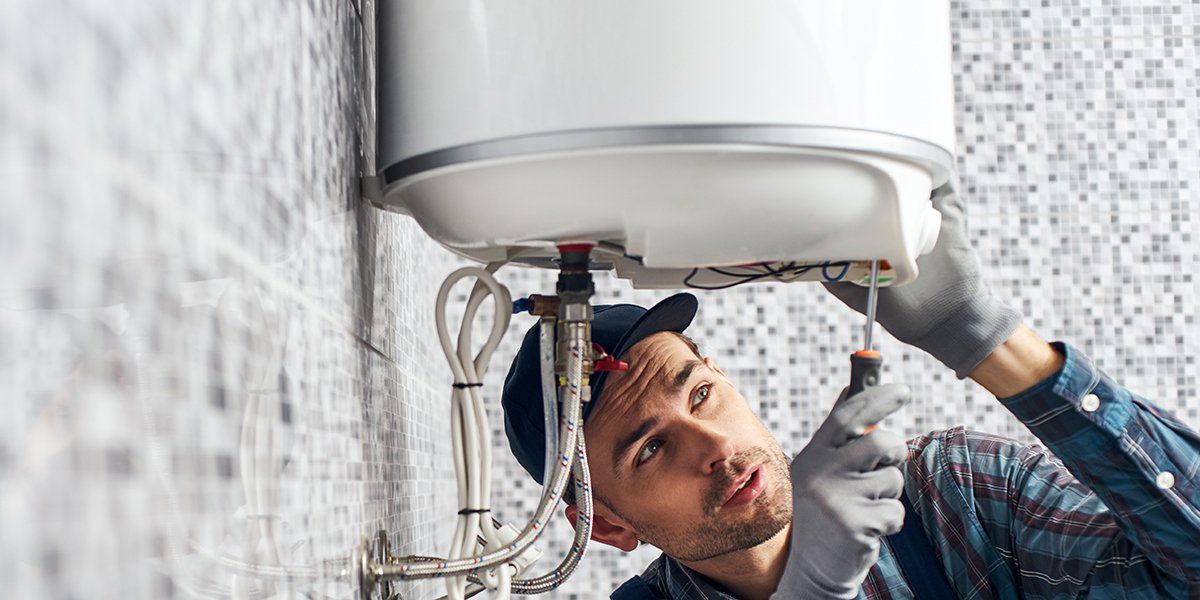
One of the luxuries we often overlook in our daily lives is our constant access to hot water. In the cold seasons, we turn on our furnaces, just as we turn to our air conditioning when it gets hot. When we think of these appliances, we tend to be very thankful.
People don’t usually think about what their home life would be like without a functioning water heater.
A water heater maintenance checklist is a great tool to ensure that your water heater continues running properly. It also ensures that it will not malfunction in any inconvenient or hazardous way. King’s Services, the most reliable water heater replacement professionals in Winnipeg, MB, has the water maintenance checklist you need to keep your water heater working safely and efficiently.
Water Heater Maintenance
Water heater maintenance is necessary for commercial and residential water heaters to continue healthy function and extend longevity. Contractors, plumbing specialists, or building superintendents usually perform maintenance checks on water heaters. However, with the proper information, homeowners can safely engage in water heater repair and maintenance while looking for signs of trouble.
Water Heater Tank Danger
Your water heater is a complex machine that needs routine care. A malfunctioning heater can be dangerous. Some of the potential dangers of a faulty water heater are:
- Gas leak: Gas heaters need routine inspection to prevent gas leaks. If the gas spreads through a home, fatal asphyxia can occur.
- Severe burns: The water heater contains extremely hot water. You may suffer severe burns if you attempt to fix or clean your heater incorrectly.
- Electrocution: Electric water heaters are perfectly safe appliances if you use them with care. Be sure to read any manuals or instructions that came with your heater to avoid electric shock.
- Fire: Many heaters operate with an open flame as the means of heat. Be sure to keep the area clear of flammable materials and combustible spray cans or chemicals. Do not attempt to clean or fix the water heater until the flame is out.
- Explosion: Water heaters with tanks can experience a buildup of pressure or extreme temperature. These heaters usually have features that will detect and release this high temperature and pressure. However, the tank can explode if the features do not work properly.
Most water heaters can last for ten years or more without maintenance. Still, regular maintenance checks can help pinpoint problems before they arise. The safest course of action is to check your water heater for signs of trouble and clean it out every six months.
Water Heater Maintenance Checklist
Our comprehensive water heater maintenance checklist will ensure your safety and success while working on your heater. If you don’t feel comfortable performing maintenance on the heater, call a professional. Consider your safety above anything else when working with potentially hazardous machinery.
1. Check the Pressure Release Valve
All gas water heaters (and some electric ones) have pressure release valves. The valve is a safety feature that opens and releases surplus pressure. If the valve doesn’t operate properly, the heater tank can explode.
As the water gets hotter, it becomes vapor and creates pressure in the tank. With continuous use, the temperature and pressure in the tank rise. If the valve has a blockage or breaks, the pressure has nowhere to go.
To inspect the valve, first, turn off the electricity or gas. With a bucket under the valve, pull the trip lever. Some air, water, and vapor will come out.
If this doesn’t happen, the pressure release valve is not working correctly.
2. Turn the Water Heater off Completely
The water heater is full of extremely hot water. Tampering with the heater prematurely can result in scalding. Additionally, electrocution and other injuries may occur without proper safety measures.
Turn your water heater off before you attempt any maintenance. Allow the heater and the water to cool down overnight.
3. Perform a Visual Inspection
Pipe leaks in plumbing systems cause thousands of gallons of water waste every year. An old water heater tank showing signs of corrosion is another reason for this. Leaks in the tank can also cause water pressure issues and fluctuating temperatures.
Such leaks can prevent the water from getting to the second floor of your home. See if you can spot any loose nuts, bolts, or screws on the tank. Additionally, check for corrosion, rust, worn gaskets, and water pooling near the tank.
You can tighten any loose nuts, bolts, and screws you find. Let a professional handle any rust and corrosion issues.
4. Flush the Water Heater Tank
Flushing the water heater will improve efficiency and help increase the heater’s lifespan while reducing energy costs. Over time, sediment will build up in the heater tank and put more work on the heater. Installing a water softener will significantly reduce sediment and contaminants.
After you attach a hose to the tank’s drain valve, flush out all the water and sediment. Repeat as necessary.
5. Check/Replace Anode Rod
The anode rod in the water heater tank prevents corrosion inside the water heater. An aluminum, zinc, or magnesium tube rests at the top of the tank, preventing oxidation. The metal of the anode rod oxidizes faster than the metal liner in the tank because it attracts the elements that cause rust.
Check the anode rod for corrosion. A small amount of rust is fine, but if the rod is mostly rust, you will need to replace it.
6. Refill the Tank
Close the drain valve, open the water supply valve and fill the tank. Before turning the water heater on, let the hot water faucet run somewhere in the house for five minutes. This will ensure that no air remains in the heater.
Water Heater Maintenance Service
If, after reading the water heater maintenance checklist, you’re still not comfortable doing it, King’s Service is here for you. We proudly serve Winnipeg, MB, and the surrounding area. Click the link to learn about resetting water heater temperature, and call us at
204-815-5877 for a free quote today!