

Is There a Need To Reset Your Water Heater Temperature for the Summer?
King's Services
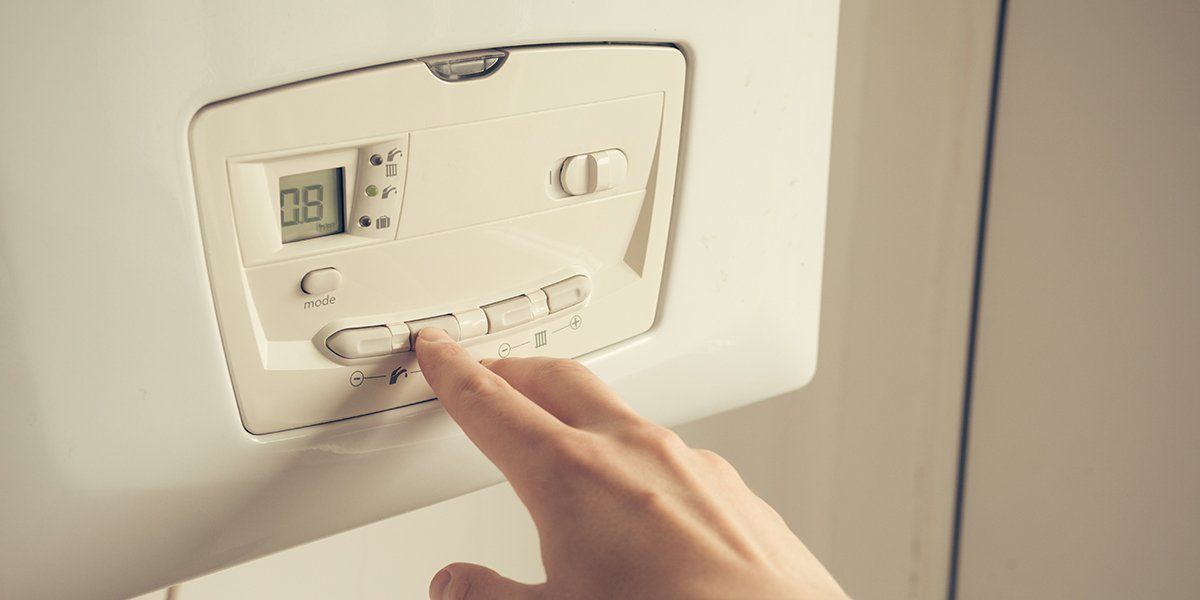
Summer heat brings high temperatures and high energy use. AC units use more energy to cool homes, and all the other appliances keep running. The higher energy use raises power bills considerably.
What if you could lower that bill during the summer? Turning the water heater temperature down during the summer reduces energy use and power bills, and you might not even notice the change in water temperature when you shower.
If you have any other questions or concerns about your water heater, call us at
(204) 815-5878. At King’s Services, we pride ourselves on being the most
reliable water heater company in Winnipeg.
Why Reset My Water Heater in the Summer?
Water heating accounts for approximately 30% of the energy use in a typical household because most water heaters constantly run, keeping water at the same temperature. When installing a water heater, people often leave it at the recommended setting of 120 degrees Fahrenheit.
However, most people never take showers at this temperature, and we all use less hot water during summer. Lowering the setting from the “ideal temperature” during the summer has many benefits for homeowners.
Conserve Energy Use
For the energy conscious, lowering their carbon footprint is very important. Some people do all they can to reduce their carbon footprint but don’t know how to lower their water heater temperature.
Lowering the temperature of your water heater may reduce your energy needs by nearly 15%. Doing this decreases overall energy use and makes your home more energy efficient. If you run your house off of solar and battery power, this can also help keep free up energy for other tasks.
Save Money
While your HVAC system draws the most power, your water heater does its fair share of financial damage. Together, they make up about 60% of your energy bill. Lowering your water heater temperature and power consumption might reduce your power bill by 15%, helping you save money faster.
More Comfortable Showers
When water heaters run too hot, they result in uncomfortable showers. The water is often difficult to adjust, with hot and cold spots on the tap. Turning the knob too far one way will have you shivering or melting.
By adjusting the water heater temperature, you can finally have comfortable showers. The water won’t be extremely hot, and you can easily adjust it when you want. The change also helps prevent burns and scalds when taking showers or washing dishes in the sink.
How To Reset the Water Heater
Now that you understand the benefits of changing your water heater temperature, let’s go over how to change the temperature of your water heater. Different manufacturers make each water heater differently, so the process isn’t identical for each unit. However, each unit has some similarities based on how they operate.
Resetting the water heater temperature is very easy. Almost anyone can do it. However, if you don’t feel comfortable, feel free to call us, and we’ll help adjust your water heater.
Check the Temperature
Before you adjust anything, make sure you know your water’s temperature. Depending on how far your water heater is from your shower, you might have a different temperature reading between the unit and the tap. Testing this is simple.
Turn on the water for your shower and let it get as hot as possible. After letting it run for a few minutes, check it with a thermometer, and you have an accurate temperature reading. Hopefully, it’s the same temperature as the water heater.
Changing the Temperature on Water Heaters With Tanks
Changing the settings on gas or electric water heaters with tanks is very simple. Often, a switch near the bottom of the tank controls the temperature. On some models, though, the process is a little lengthier.
First, turn off the power to the unit. Then, locate the access panel and unscrew the screws holding the panel cover.
Remove any insulation covering the thermostat and adjust the temperature setting, usually with a flat head screwdriver. Replace any insulation you removed and screw the cover back on. Turn the power to the water heater back on and relight the pilot light if there is one.
Some larger electric water heaters have two or three thermostat switches on the heating elements, each requiring adjustment. Check each of those before you turn the power back on.
Changing the Temperature on Tankless Water Heaters
Tankless water heaters have intuitive ways to change settings. Often, they operate just like changing the temperatures on your thermostat. Simply access the digital control panel and change the settings.
Check the Temperature Again
After you change the water heater temperature, wait about an hour for the setting to take effect. Run the water in your shower again and wait for it to reach its maximum temperature. This time, it should be more desirable.
If the temperature still isn’t correct, you can always try again. Repeat the above steps for your style of water heater and keep trying until it’s right.
When Should I Change the Temperature Again?
The best way to determine whether your temperature needs resetting is to check the water in your sink. Run some water, and change the temperature setting if the temperature is not ideal.
The water temperature is acceptable if it reaches the right temperature in about thirty seconds.
Set a reminder for yourself every year: one in the spring and one in the fall. This reminder will help you remember to check your water heater temperature and adjust it if necessary.
Water Heater and Septic System Services
Most homeowners agree that they need to know the basics of every home’s water system, including the water heater and septic system. Septic systems are another vital part of your home’s water system, and you can visit us here to learn more about the different types of septic systems.
If you need help resetting your water heater temperature, or have questions about any plumbing service, call King’s Services at
(204) 815-5879. We offer our services to the city of Winnipeg and the surrounding communities.